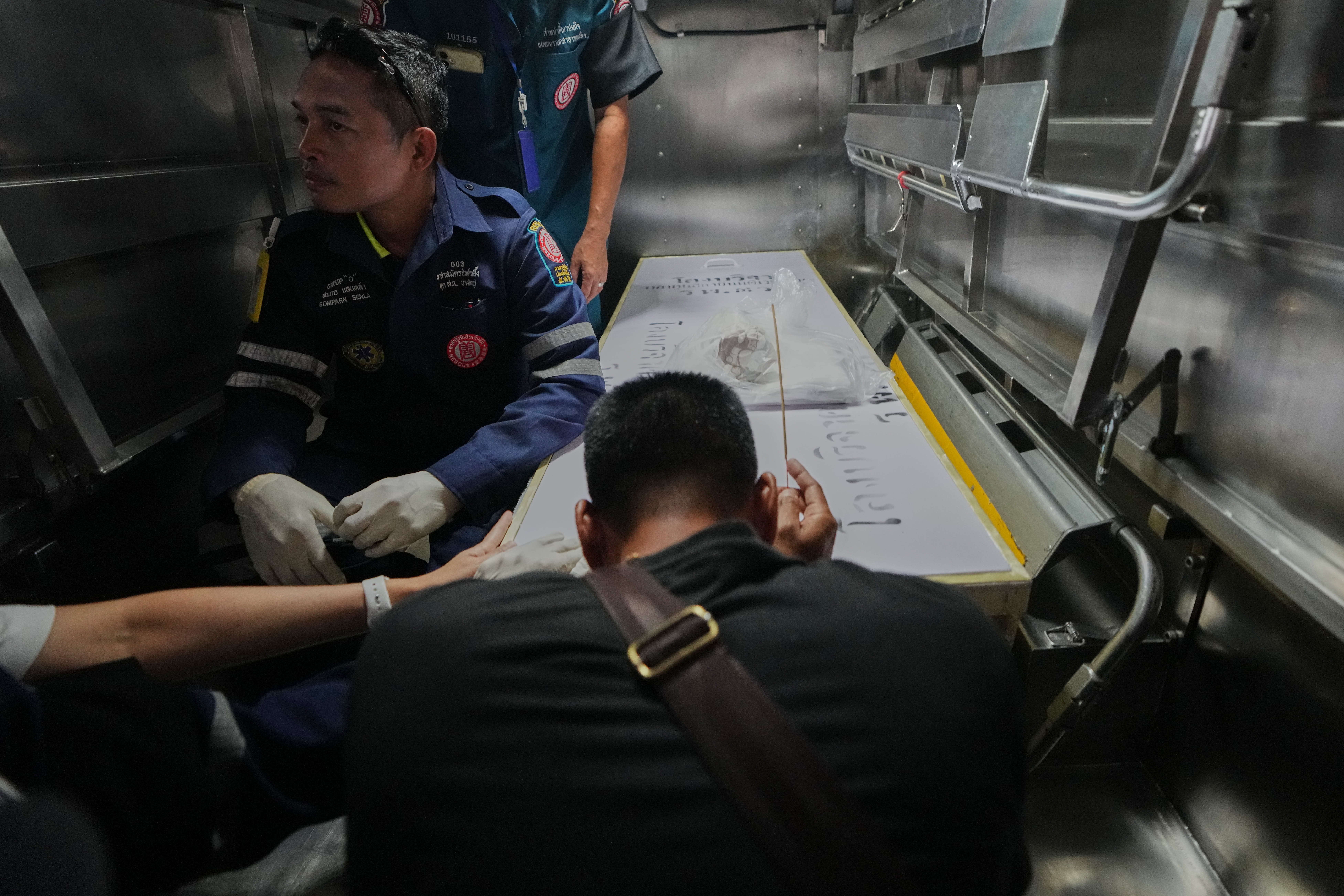
A fun night out should never end in a claustrophobic nightmare. Yet, that is exactly what happened at the Rong Beer Na Ladprao bar in northern Bangkok. The latest updates confirm that the death toll from the devastating Bangkok bar fire has climbed to 30. Dozens more remain hospitalized, fighting for their lives with severe burns and smoke inhalation.
This is the deadliest nightlife disaster the Thai capital has witnessed in 17 years. It exposes a terrifying truth that many clubgoers ignore. Safety regulations mean absolutely nothing if venue owners treat emergency exits like extra storage space.
People are searching for answers because they want to know how a standard Sunday night performance turned into a mass casualty event within minutes. The early details from investigators are infuriating. They show a clear pattern of negligence that could have been prevented. If you regularly visit crowded music venues, bars, or nightclubs, you need to understand exactly what went wrong here. It might save your life next time you go out.
Inside the Na Ladprao Tragedy
The blaze broke out just before midnight on Sunday during a live music set. Eyewitnesses described a sudden power outage right after smoke started pouring from a circuit breaker near the main performance stage. Then came an explosion. A horizontal wave of fire and thick black smoke ripped through the single-story building.
Patrons panicked. The venue claimed to accommodate up to 600 people, though the exact head count that night remains uncertain. Flames engulfed the interior so quickly that many people never stood a chance. Firefighters managed to bring the main blaze under control in about 30 minutes, but the damage was already catastrophic.
The physical debris left on the Ladprao sidewalk tells a grim story. Melted musical instruments, charred speakers, and blackened chairs lay scattered outside. Inside, tables still held empty beer bottles next to completely burned-out furniture.
The Deadly Trap of Blocked Emergency Exits
When panic sets in, human instinct drives people toward any available escape route. In the case of the Bangkok bar fire, those escape routes turned out to be deadly traps.
Thai National Police Chief Kittharath Punpetch revealed that a huge number of the victims were found clustered inside windowless bathrooms near the back of the venue. They likely ran there to escape the intense heat and blinding smoke in the main hall. They became trapped.
Why didn't they use the rear exits? The investigation points to a series of stunning safety failures:
- A large table selling candy had been set up right in the main hall, physically obstructing the path to one of the rear exits.
- The venue was pitched into total darkness when the power failed, making it nearly impossible for patrons to locate exit signs.
- Another exit door near the kitchen area was severely narrowed by poorly placed shelving units and staff lockers.
- Early forensic evidence suggests that at least some of the secondary emergency doors were locked shut from the outside.
When a building fills with toxic smoke, seconds determine whether you live or die. Forcing panicked customers to navigate a dark maze of candy tables, lockers, and locked doors is a recipe for mass casualty.
What Structural Experts Say About the Venue
The structural design of the Rong Beer Na Ladprao bar actively accelerated the disaster. Amorn Pimanmas, president of the Thailand Structural Engineers Association, pointed out several critical risk factors that made the building highly dangerous.
The bar featured low ceilings and an entirely enclosed design with minimal natural ventilation. When an electrical fire starts in a space like that, heat and toxic gases cannot escape. Instead, they build up instantly, creating a pressurized chamber of smoke.
Worse, investigators are focusing heavily on the soundproofing foam and decorative materials lining the ceiling and walls above the stage. Entertainment venues frequently use cheap, non-flame-retardant foam to manage acoustics. This material acts as solid fuel. When it catches fire, it melts, rains down liquid fire on the crowd, and releases highly toxic cyanide and carbon monoxide gases. Bangkok Governor Chadchart Sittipunt confirmed that smoke inhalation, not direct burns, was the primary cause of death for the majority of the victims.
A History of Unlearned Lessons
This tragedy is not an isolated incident. It is part of a frustrating history of nightlife disasters in Thailand and across the globe. Authorities always promise sweeping reforms after these events, but the cycle repeats.
In 2009, the Santika nightclub fire in Bangkok killed 67 people and injured more than 200 during a New Year's Eve celebration. The cause was indoor fireworks that ignited the ceiling foam. Exits were blocked, and the venue lacked proper fire safety equipment. In 2022, another fire at the Mountain B music bar in eastern Thailand killed 14 people under shockingly similar circumstances.
The global nightlife industry has a systemic problem with safety compliance. Just earlier this year, a bar fire in Crans-Montana, Switzerland, killed 41 people. In 2025, club fires in Goa, India, and North Macedonia took dozens of young lives due to pyrotechnics and blocked doors. Venue owners consistently prioritize packing more customers into spaces while ignoring basic survival infrastructure.
Accountability and the Road Ahead
Bangkok Governor Chadchart Sittipunt has ordered a massive, city-wide audit of all nightlife establishments and live music venues. The goal is to strictly enforce existing building codes and shut down spaces that fail to meet safety standards.
The police are treating negligence as their primary line of inquiry. Over 34 witnesses have already been interviewed, and criminal charges are expected soon. The bar owner is currently hospitalized in an intensive care unit but will face heavy scrutiny regarding why emergency exits were compromised. The venue posted an official apology on its Facebook page, promising full cooperation with law enforcement, but the public response has been filled with intense anger.
Grieving families have gathered at Bangkok’s Institute of Forensic Medicine to identify bodies through DNA testing, as many victims were not carrying identification documents during the chaos.
How to Protect Yourself Next Time You Go Out
You cannot rely on venue owners or local inspectors to protect you. When you walk into a crowded music bar or club anywhere in the world, you have to take charge of your own safety immediately.
Do not just walk in and look for the bar or the stage. Spend your first 30 seconds inside assessing your environment. Identify at least two ways out. The main entrance will always become bottlenecked during a stampede, so look for alternative side or rear exits.
Look closely at those exits. Are they clear? If you see boxes, tables, chairs, or curtains blocking an exit path, leave the venue. It is not worth risking your life for a concert or a drink. Look up at the ceiling. If you see thick layers of exposed, cheap foam padding directly above a stage with heavy lighting or electronics, understand that you are standing inside a potential tinderbox.
Always keep your phone and an identification card in your pocket, not left at a table or in a coat check. If the lights go out and smoke fills the room, drop low to the floor where the air is cleaner and move deliberately toward your chosen alternative exit. Trust your gut. If a venue feels too packed, too dark, or too disorganized, walk out.
The loss of 30 lives in Bangkok is a devastating reminder that safety is never a secondary issue. Demand better accountability from the places you frequent, and always know your exit strategy before the music starts.