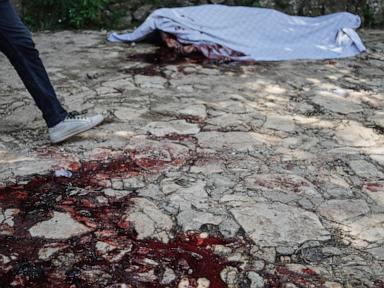
The hills of Kenscoff used to offer a quiet escape from the chaos of Port-au-Prince. That illusion shattered completely on August 23, when armed gang members stormed the farming community, leaving 47 people dead and more than 50 kidnapped. Now, grieving families and furious residents are demanding hard answers from Haiti’s National Police. They want to know why warnings went unheeded. They want to know why protection never arrived.
People are angry. They are blocking streets with burning tires and flipped cars, shouting for accountability from a police force that seems stretched past its absolute breaking point.
Where Was the Protection
Before that Sunday night attack, the nonprofit Armed Conflict Location & Event Data project noted that security operations had actually driven down violence in Kenscoff by roughly 66 percent. Residents let their guard down just a little bit. Then the raid happened.
When police spokesperson Garry Desrosiers finally faced journalists at a tense news conference, he offered very little comfort. Pressured about rescue plans for the more than 50 hostages, Desrosiers drew a hard line. He stated plainly that authorities cannot talk about any operational plans. Meanwhile, gang leaders have openly threatened to execute every single captive if police attempt a rescue mission.
It's a terrifying standoff. Families of the abducted have nowhere to turn, and the police are withholding details to protect tactical secrecy. That secrecy feels a lot like abandonment to the people living through the nightmare.
The Fallout and Rising Displacement
The human cost keeps climbing. The United Nations International Organization for Migration reported that more than 2,600 people were newly displaced by the Kenscoff massacre. They fled with nothing, ending up in cramped temporary settlements with limited access to clean water or food.
Haiti's police chief, Vladimir Paraison, skipped the public briefing. However, he previously noted that an internal investigation is underway to figure out if the disaster stemmed from pure negligence or outright internal complicity.
Transparency is missing. Trust has evaporated. Armed groups already control an estimated 70 percent of Port-au-Prince, and these violent factions have made their political motives explicit. According to United Nations statements, gangs have openly admitted their goal is to block ordinary citizens from voting in upcoming democratic elections. They want to stop democracy by force.
International Pressure Meets Harsh Deportations
While families bury their dead in Kenscoff, the geopolitical pressure cooker keeps turning. The United States and other international partners continue to push for state authority and accountability, backing missions like the UN-authorized Gang Suppression Force.
At the exact same time, deportation flights from the United States are returning citizens to a country where the government cannot guarantee basic safety. Recent flights have brought back dozens of individuals, including people who have spent their entire lives abroad and possess zero local ties or resources. Human rights advocates, such as the Haitian Bridge Alliance, have strongly condemned these returns, pointing out the obvious risk of dropping vulnerable people into an active conflict zone.
UN statistics show that more than 3,050 people were reported killed in Haiti from January to June alone, pushing total displacement figures near 1.5 million people nationwide. The Kenscoff attack is just one horrific data point in a systemic breakdown of public safety.
Residents aren't buying vague promises anymore. They are standing in the rubble, blocking roads, and demanding that authorities stop hiding behind closed doors and start reclaiming the streets.