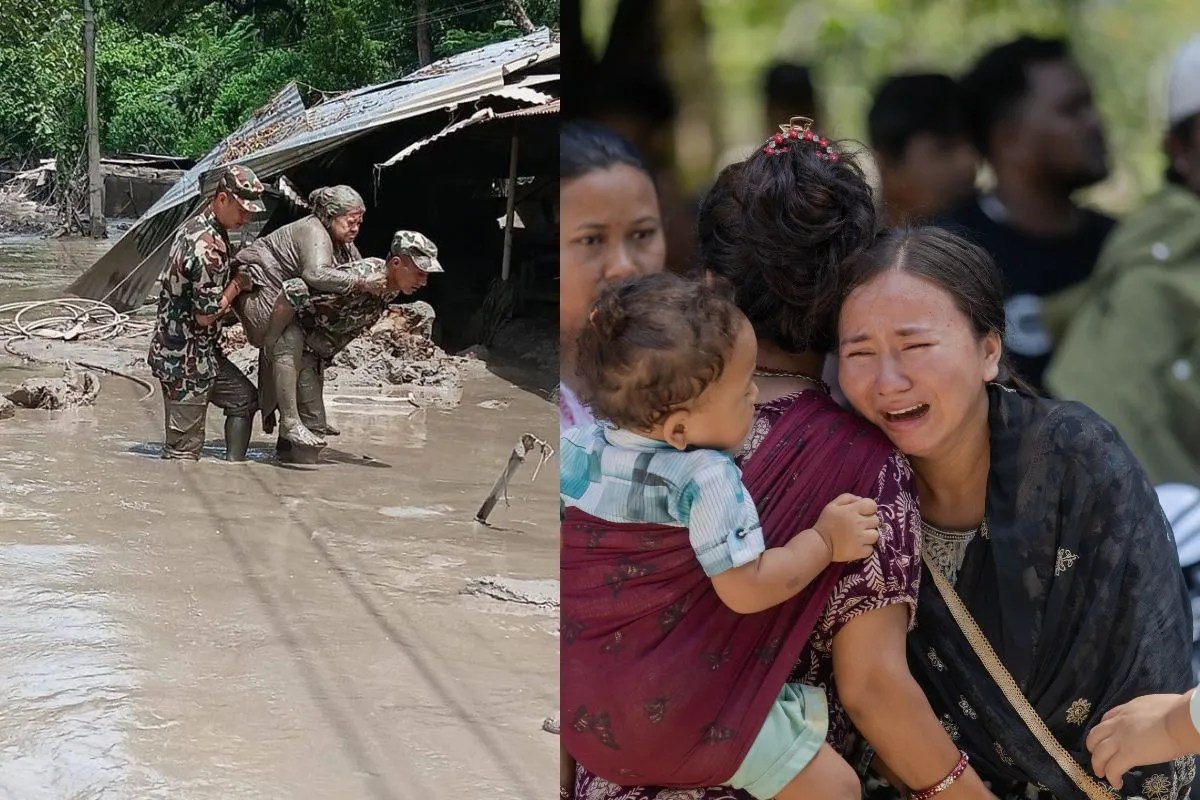
Disasters don't send calendar invites. They arrive with a roar, tearing through valleys before anyone can grab their phone or look back. When a massive flash flood struck the Tibet-Nepal border region, it didn't just wash away dirt and rock. It swallowed towns, erased critical infrastructure, and left families standing in total disbelief staring at empty spaces where their homes used to stand.
If you think this is just another routine monsoon story, you haven't looked closely at the scale of destruction unfolding along the Bhote Koshi river basin. Let's break down what actually happened, why the search efforts are facing impossible odds, and what this catastrophe means for the Himalayan border region.
The Anatomy of a Border Catastrophe
People living in mountain valleys know the weather changes fast. But nothing prepared communities in Rasuwa and Nuwakot for the sheer speed of this disaster. Entire settlements like Timure and Betrawati were practically wiped off the map.
Local survivors describe a sound resembling a major earthquake moments before the wall of water hit. Bridges vanished. Hydropower projects crumbled. Roads connecting vital trade routes between Nepal and China were shattered into twisted metal and massive boulders. Experts are already calling it the worst disaster to hit the area since the devastating 2015 earthquake.
Living Through the Nightmare
Statistics rarely capture the gut-wrenching human cost of sudden floods. Behind the numbers are real people whose lives flipped upside down in less than an hour.
Take Sugam Malla from the Nuwakot district. He watched helplessly as rushing water dragged his family away. Even though he managed to pull a few relatives back from the brink, his parents and sister vanished into the raging current. Communication lines are dead. Phone calls won't go through. Families are left waiting in the mud, hoping for news that might never arrive.
It's not just local residents caught in the trap. The border region is a primary corridor for travelers heading toward the Kailash Mansarovar pilgrimage. International tourists and overseas citizens find themselves cut off. For instance, US-based Indian-origin couple Ramesh and Neelam Sharma went missing during their pilgrimage journey, prompting desperate pleas for help from their children across the globe. Similarly, reports from state officials note that groups of travelers from regions like Karnataka and Tamil Nadu found themselves separated from their tour groups when roads dissolved beneath their wheels.
Why Search and Rescue Operations Are Failing
When a flash flood hits high-altitude gorges, conventional rescue tactics simply don't work. Emergency responders face massive hurdles on the ground:
- Total Isolation: Cut-off roads mean heavy machinery cannot reach the worst-hit zones. Rescue teams have to rely on foot patrols and risky airlifts.
- Unstable Terrain: Saturated hillsides continue to trigger secondary landslides, putting rescue workers at constant risk of being buried.
- Communication Blackouts: Power grids and cell towers are destroyed, making coordination between remote villages and Kathmandu nearly impossible.
Wildlife has also felt the severe impact of the surging rivers. In a bizarre turn of events, a herd of wild elephants was swept down the Kauriyala river system all the way to a barrage in Bahraich, Uttar Pradesh, before authorities managed to rescue them. If massive wildlife can be tossed around like twigs by these waters, human settlements stood no chance.
What Needs to Happen Now
Waiting for the next disaster while ignoring fragile mountain ecosystems is a losing game. Governments across South Asia need to rethink how they build infrastructure near glacial and river borders. Roads, bridges, and hydropower plants built on steep Himalayan gorges require strict geological monitoring and early-warning sensors that can alert villages minutes before a breach occurs.
Right now, hundreds of families are still searching the banks of muddy rivers for signs of their loved ones. Until communication is restored and heavy clearing equipment reaches the remote valleys, the full extent of this tragedy will remain buried under tons of Himalayan silt.