Geopolitical brinkmanship rarely moves in a straight line. Right now, we're watching a volatile mix of hard military posturing and quiet diplomatic openings between Washington and Tehran.
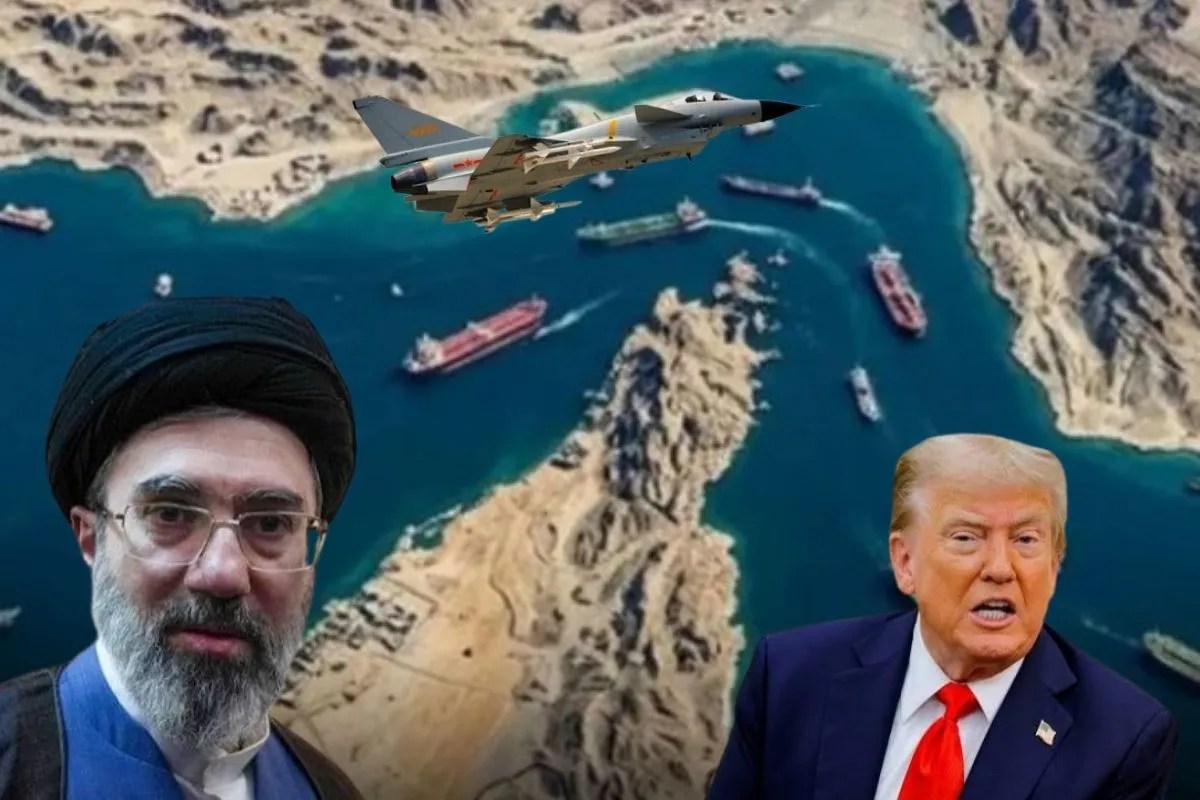
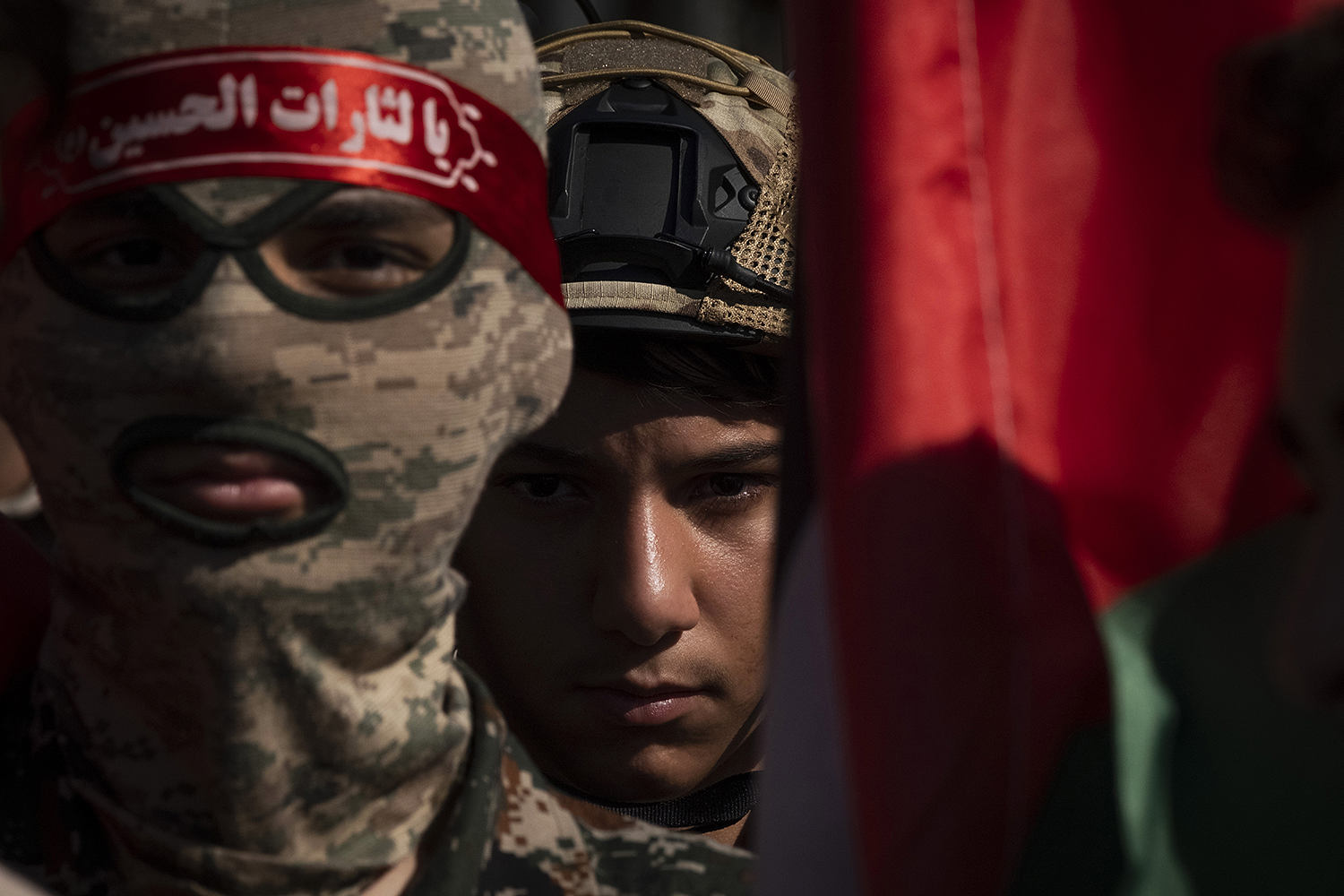
Iran's Islamic Revolutionary Guard Corps just issued a stark warning. They claim that any fresh U.S. assault will trigger the deployment of "new weapons with new capabilities" and shift the entire geography of the conflict. Hossein Mohebbi, an IRGC spokesman, told local outlets that the world will be astonished by what they bring to the battlefield if hostilities flare up again. At the exact same time, President Donald Trump tells reporters he is weighing his next move carefully. He notes he would probably be open to meeting with Iranian President Masoud Pezeshkian during the United Nations General Assembly. You might also find this connected story interesting: Why Iran Sticking To The Strait Of Hormuz Trap Changes Everything.
So, what is the reality behind these contrasting signals? Let's break down the actual stakes.
The Dual Track of Threats and Diplomacy
Trump frames the current strategy around three basic paths: wiping out military infrastructure, letting economic sanctions suffocate the regime, or making a grand deal. It's an aggressive posture designed to force Tehran to capitulate or negotiate on American terms. As highlighted in recent reports by USA Today, the effects are notable.
Yet, the door for diplomacy isn't completely slammed shut. Trump's openness to an impromptu summit with Pezeshkian hints at a familiar playbook. He often combines maximum pressure with an offer to talk face-to-face. Pezeshkian and his administration face intense domestic pressure, leading to defiant rhetoric about long-term war and uncharted military capabilities.
Why the Strait of Hormuz Remains the Ultimate Chokehold
You can't understand this standoff without looking at the economic pressure points. Iran's ability to disrupt energy flows through the Strait of Hormuz remains a massive thorn in the side of Washington and its allies. Despite overwhelming U.S. naval dominance, reopening and securing that vital waterway completely has proven remarkably difficult.
When Tehran threatens new weapons, they aren't just talking about conventional artillery. They mean asymmetrical warfare tools, drone innovations, and naval mines that can keep global oil transit under constant threat. This is why economic shocks continue to reverberate worldwide, putting political heat right back on the White House to find an off-ramp.
What to Expect This Week
Diplomatic windows at the U.N. General Assembly open and close fast. If a meeting materializes between Trump and Pezeshkian, expect immediate talk of a temporary truce or a framework for opening key shipping lanes. If it falls apart, the IRGC's warnings about expanded targets and fresh tactical capabilities will likely be tested on the ground.
Keep a close eye on backchannel mediators like Pakistan and Oman. They've been doing the heavy lifting to bridge the massive trust deficit.
The standoff continues to evolve hour by hour, leaving very little room for error on either side.
Trump Delivers Blunt Warning to Iran After U.S. Resumes Strikes
This video provides important context regarding President Trump's recent statements and warnings about U.S. military strikes against Iran.