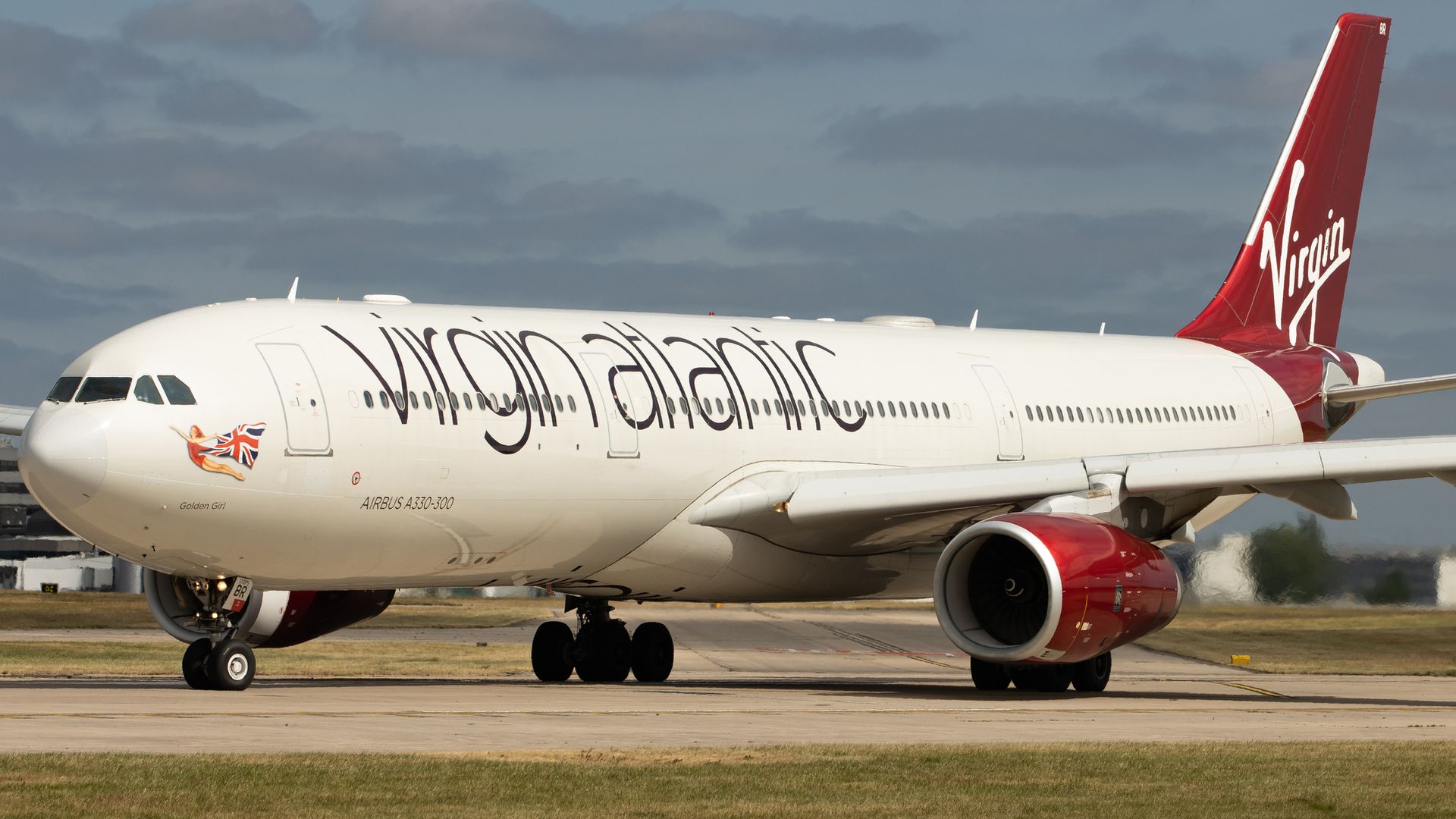
Planes don't fly themselves, and the people keeping them in the air face hidden dangers that rarely make the evening news. When things go wrong on the tarmac, the consequences are catastrophic.
An ongoing inquest into the tragic death of 23-year-old Virgin Atlantic engineer Georgie Buxton has shed light on the severe hazards of commercial aircraft maintenance. Recent hearings revealed that Buxton suffered a fatal traumatic brain injury following an explosion while working inside an aircraft fuel tank at London Heathrow Airport.
If you've ever wondered how dangerous heavy aircraft maintenance actually is, this case pulls back the curtain on an industry where safety protocols are strict, but the margins for error are razor-thin. Let's look at what happened, what the inquest is uncovering, and why standard safety checks are under intense scrutiny.
The Reality of Working Inside an Aircraft Fuel Tank
Fuel tank maintenance is widely considered one of the most hazardous jobs in aviation engineering. You're dealing with confined spaces, residual vapors, high-pressure testing, and heavy structural components.
When the incident occurred on June 11, emergency responders rushed to Heathrow following reports of a severe workplace accident. Buxton was transported to the hospital with critical injuries, fighting for his life on life support for nearly a month before passing away.
Now, the official inquest hearings are forcing regulatory bodies and airlines to answer tough questions. How did an internal explosion happen during routine work on a Boeing 787-9? What safeguards failed?
Investigations and Regulatory Scrutiny
The Metropolitan Police's Aviation Policing Unit and the Health and Safety Executive (HSE) immediately launched joint investigations alongside the airline and aircraft manufacturers. Commercial aviation is obsessed with redundancy and safety, yet heavy maintenance environments remain inherently risky.
Virgin Atlantic temporarily pulled the affected Boeing 787-9 from service while technical teams combed through data to find the root cause. Industry professionals know that fuel tank entries require rigorous gas-free testing, specialized ventilation, and strict personal protective equipment. Even a minor oversight in pressure management can trigger a disaster.
The inquest process is designed to find accountability, not just assign blame. It forces companies to lay bare their maintenance logs, training standards, and internal communications.
What the Industry Needs to Change Right Now
Accidents like this spark uncomfortable conversations across hangars worldwide. Too often, young engineers step into high-pressure environments where turnaround times dictate the pace.
To prevent future tragedies, the aviation sector must address several systemic issues:
- Stricter confined space protocols: Zero-tolerance checks for pressure differentials before any worker enters a fuel bay or sealed compartment.
- Independent oversight: Moving away from internal sign-offs for high-risk maintenance procedures to guarantee unbiased safety verification.
- Mental health and peer support: Ensuring ground crews have the psychological safety to halt operations if something feels unsafe, without fear of schedule delays.
The loss of a 23-year-old engineer with his entire career ahead of him is a devastating reminder of the human cost behind global travel. As the inquest continues to examine the exact sequence of the Heathrow explosion, the entire aviation sector must listen closely and adapt.
Safety isn't a marketing slogan written on a corporate wall. It's built in the dark, cramped spaces of an aircraft wing, managed by people who deserve to come home at the end of every shift.