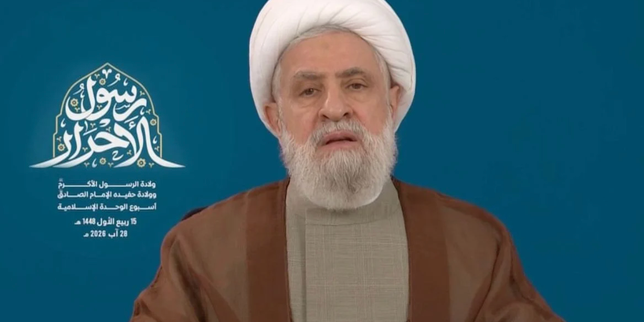
Diplomatic paper rarely stops bullets when armies are dug into ruins. The political landscape in Lebanon took another sharp turn as the Hezbollah leadership dug its heels in, flatly refusing the framework agreement mediated to settle hostilities with Israel. Instead of laying down arms or bowing to international pressure, the group framed the terms as a capitulation that the country cannot afford.
If you look past the official communiqués coming out of Washington and Beirut, a stark reality emerges. The fracture between Lebanon's official government and its most heavily armed non-state actor is wider than ever. Let's break down what is actually happening on the ground and why this standoff matters for the region's fragile future.
The Core Conflict Behind the Framework
The fundamental disagreement boils down to sequencing. Washington and the Lebanese state pushed for an architecture where security steps, monitoring mechanisms, and a gradual reduction of military friction run parallel to diplomatic tracks.
Hezbollah sees it differently. From their perspective, demanding concessions or weapon restrictions while Israeli forces maintain positions inside Lebanese territory turns victims into defendants. They argue that true sovereignty cannot be negotiated under the threat of continued bombardment or occupation.
- The Government View: Diplomacy and phased withdrawals offer a lifeline to displaced civilians and a chance to rebuild shattered infrastructure.
- The Hezbollah View: Any deal that preconditions an Israeli pullback on internal disarmament amounts to a direct surrender to foreign dictate.
Why Past Playbooks No Longer Work
We have seen variations of this crisis before, but the stakes this time feel entirely different. Previous skirmishes usually ended with hazy truces that allowed both sides to claim partial victory. Right now, the scale of physical destruction across southern towns and suburbs leaves very little room for diplomatic ambiguity.
When leadership figures declare they refuse to "surrender," they aren't just talking to foreign capitals. They are sending a direct signal to their domestic base. They want to ensure that supporters don't view the state's diplomatic overtures as a permanent shifting of power.
The Impact on Everyday Citizens
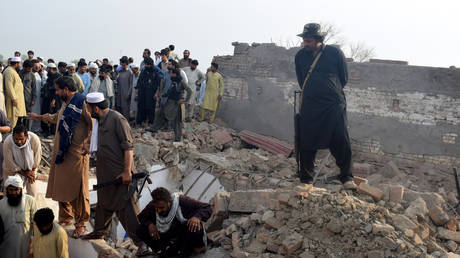
While politicians argue over text and terms, millions of displaced families bear the brunt of the stalemate. Schools remain packed with refugees, local commerce is crippled, and reconstruction funds are frozen because international donors refuse to invest in a permanent war zone.
You can't eat political rhetoric or rebuild a flattened neighborhood with an unratified treaty. The longer this standoff persists, the deeper the economic decay sinks into everyday Lebanese life.
Expect more friction between military officials tasked with keeping order and political factions who view those exact orders as hostile encroachment. The framework agreement exists on paper, but without buy-in from the actors holding the guns on the southern border, paper is all it remains.