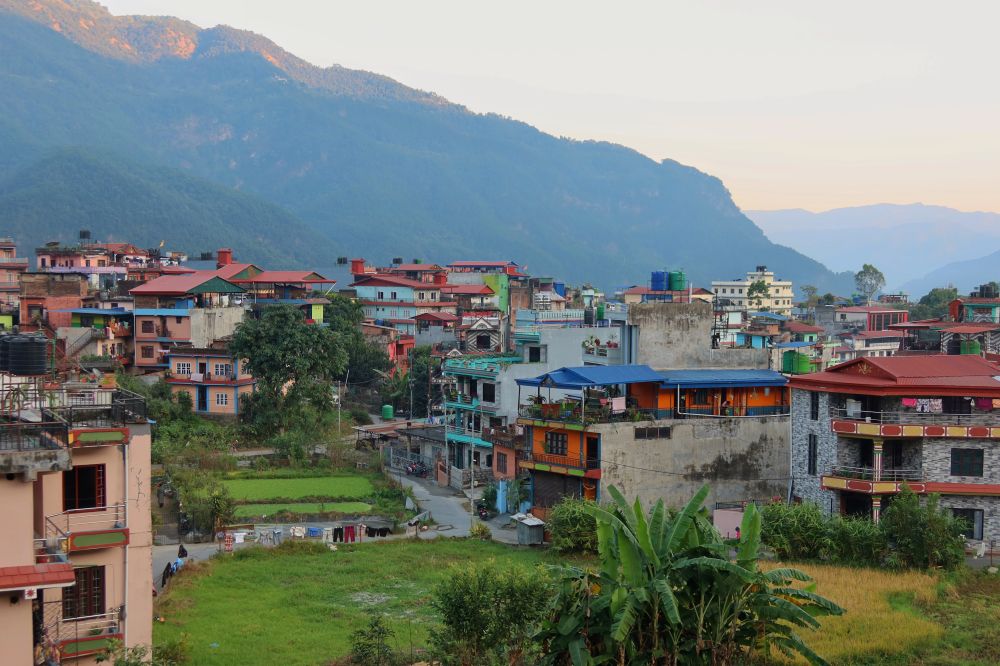
A massive wall of ice, mud, and rock crashed down into a mountain river, triggering a flash flood that devastated sections of the border town of Gyirong in Tibet. China responded by deploying hundreds of military personnel to handle rescue operations following the disaster.
Mountain borders are fracturing under climate stress. When flash floods strike high-altitude regions, they don't care about national lines. They cross geographic boundaries and destroy infrastructure instantly.
What Happened in Gyirong
The disaster unfolded when an immense collapse of ice, mud, and rock slammed into local waterways. The force created a violent flash flood that swept through communities, tearing down structures and trapping residents.
China's swift deployment of military personnel to Gyirong highlights the immediate scale of the emergency. Search and rescue teams face treacherous terrain. Heavy machinery struggles to reach isolated pockets where victims might still be trapped under thick layers of debris.
The Fragility of Himalayan Border Zones
High-altitude regions warming up faster than global averages create dangerous conditions. Glacial retreat destabilizes mountain slopes. When heavy rains or sudden structural failures occur, massive landslides become inevitable.
Communities situated in narrow river valleys live on borrowed time. Townships like Gyirong sit in high-risk corridors. Waterways acting as natural borders between nations carry destruction downstream within minutes.
How Rescue Operations Work in Remote Terrains
Deploying hundreds of troops sounds effective on paper. Reality on the ground looks entirely different.
- Mountain passes block heavy equipment.
- Communication lines go down instantly during flash floods.
- Rescuers rely on manual digging and trained canine units.
- Rising water levels threaten the safety of emergency crews.
Military forces working in Tibet face harsh high-altitude challenges. Low oxygen levels slow down physical labor. Weather conditions shift without warning, turning a standard search into a life-threatening situation for the responders themselves.
Why Traditional Disaster Management Fails Here
Old playbooks don't work for modern climate-driven catastrophes. Standard flood warnings assume heavy rainfall is the primary trigger. But when an entire wall of ice and rock gives way, water gauges downstream remain useless.
You need real-time satellite monitoring of glacial lakes and unstable slopes. Waiting until a mountain collapses means you're already fighting a losing battle. Governments across the region must upgrade early warning infrastructure before the next peak melt season begins.
Protecting border populations requires cross-border data sharing. Mudslides and river swells ignore political maps. If upstream conditions endanger downstream towns, communication must happen instantly, regardless of diplomatic tensions.
Take immediate steps to map local high-risk zones if you live or work near Himalayan river valleys. Stay tuned to meteorological updates, and never ignore evacuation orders when mountain weather turns volatile.