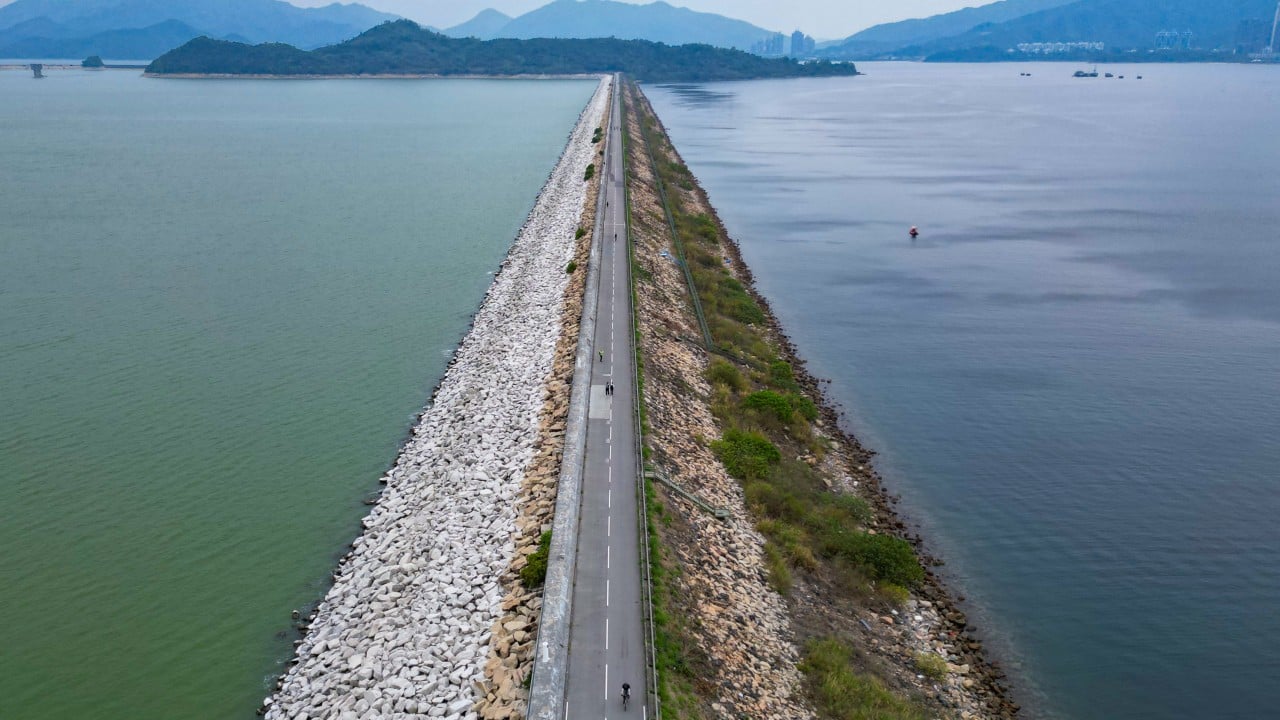
When the thermometer hits historic extremes, heading out onto exposed concrete steps or rugged country trails becomes a dangerous gamble. That grim reality struck hard on a Sunday afternoon in the Tai Po countryside, where a man in his sixties collapsed and tragically died on the Plover Cove Reservoir Country Trail.
Hong Kong was baking under record-breaking temperatures—the hottest since weather records began 142 years ago—driven by the subsiding airflow of Severe Typhoon Dolphin. While local authorities and emergency rescue teams scrambled to the scene after a 2:17 pm report, deploying firefighters, ground rescue squads, and the Government Flying Service, it was simply too late. The victim was found unconscious and later pronounced dead, highlighting a recurring and preventable crisis on the city's beloved green slopes.
The Hidden Dangers of Plover Cove and Exposed Trails
Most people look at Hong Kong’s country parks as weekend escapes, but trails like Plover Cove present brutal microclimates during peak summer. You get zero shade for long stretches, high humidity trapping sweat against your skin, and baking reflection off rock faces and dry soil.
When ambient air temperatures soar past 37 degrees Celsius in parts of the territory, the actual heat index on exposed ridges easily crosses dangerous thresholds. Your body's cooling mechanism—sweating—stops working efficiently when humidity climbs, leading to rapid core temperature spikes.
If you ignore the warning signs of heat exhaustion, heatstroke sets in within minutes. Dizziness, confusion, cessation of sweating, and sudden collapse are red flags that many hikers misinterpret until it is too late.
Why Do Experienced Hikers Keep Ignoring the Weather Warnings?
It is easy to blame lack of preparation, but the reality on the ground is more complicated. Many local residents and seasoned outdoor enthusiasts suffer from a false sense of security. They think, "I've hiked this route a dozen times, I know my limits."
Nature doesn't care about your past experience when the atmospheric conditions rewrite the rules. Severe Typhoon Dolphin didn't just bring wind; its outer subsiding air created a massive heat dome over Guangdong and Hong Kong, choking the city in stifling, stagnant air.
- The midday trap: Setting out past late morning during a red or black heat warning is inviting disaster.
- Inadequate hydration: Drinking plain water without replacing lost electrolytes causes cramping and cognitive decline long before physical collapse.
- Underestimating terrain: Trails around Plover Cove require sustained physical effort, keeping your heart rate elevated even on flat or rolling sections.
Practical Steps to Stay Alive on the Trails This Summer
You don't have to lock yourself indoors all summer, but you do need to completely change how you approach outdoor activity during extreme weather alerts.
First, check the Hong Kong Observatory updates religiously before lacing up your boots. If extreme heat warnings are active, shift your schedule. Real outdoor safety means hitting the trails at dawn—truly early, not "around nine o'clock"—and finishing before the sun reaches its zenith.
Second, pack smart. Ditch the sugary sodas and pack an electrolyte-rich solution alongside plain water. Carry a portable umbrella or sun-shielding gear if you are tackling open coastal paths like Plover Cove.
Finally, turn around the second you feel lightheaded, excessively nauseous, or unusually fatigued. No view is worth your life, and the trail will still be there when the weather cools down. Stop treating extreme weather warnings as mere suggestions.