Every legal system relies on institutional trust. When that trust cracks from within, the fallout shakes the entire judiciary.
High Court judge Wilson Chan Ka-shun handed down a 12-year and four-month sentence to a Taiwanese man for trafficking 890 grams of cocaine at Hong Kong International Airport back in August 2019. On paper, it looked like a standard drug-trafficking ruling. In reality, it was an exit note. This case marked the very final proceeding for an embattled jurist stepping down early amid a blistering plagiarism scandal.
Let's look at what actually happened behind the scenes of this high-profile departure.
The Final Verdict and the Defendant
The defendant, a Taiwanese national whose identity was tied to a drug-smuggling operation, faced serious charges after airport customs officials intercepted nearly a kilogram of cocaine. Judge Chan processed the case by factoring in the cross-border nature of the conspiracy and the sheer volume of the narcotics.
Because the defendant entered a guilty plea to an alternative charge of conspiracy to traffic dangerous drugs, he received the standard one-third sentence reduction. Two other co-defendants walked free after a jury acquitted them earlier in the proceedings.
Justice was seemingly served on that specific docket. Yet, the courtroom atmosphere was heavy with anticipation for reasons entirely unrelated to the drug courier.
Why the Judge Was Leaving Early
Wilson Chan didn't retire because he reached standard retirement age. Chief Justice Andrew Cheung Kui-nung requested his early departure following a series of embarrassing judicial misconduct findings.
Investigations revealed that Chan committed plagiarism in his written judgments at least five times over recent years. Copying text from external sources or other rulings might fly under the radar in high school classrooms, but for a High Court judge, it represents a catastrophic failure of professional duty.
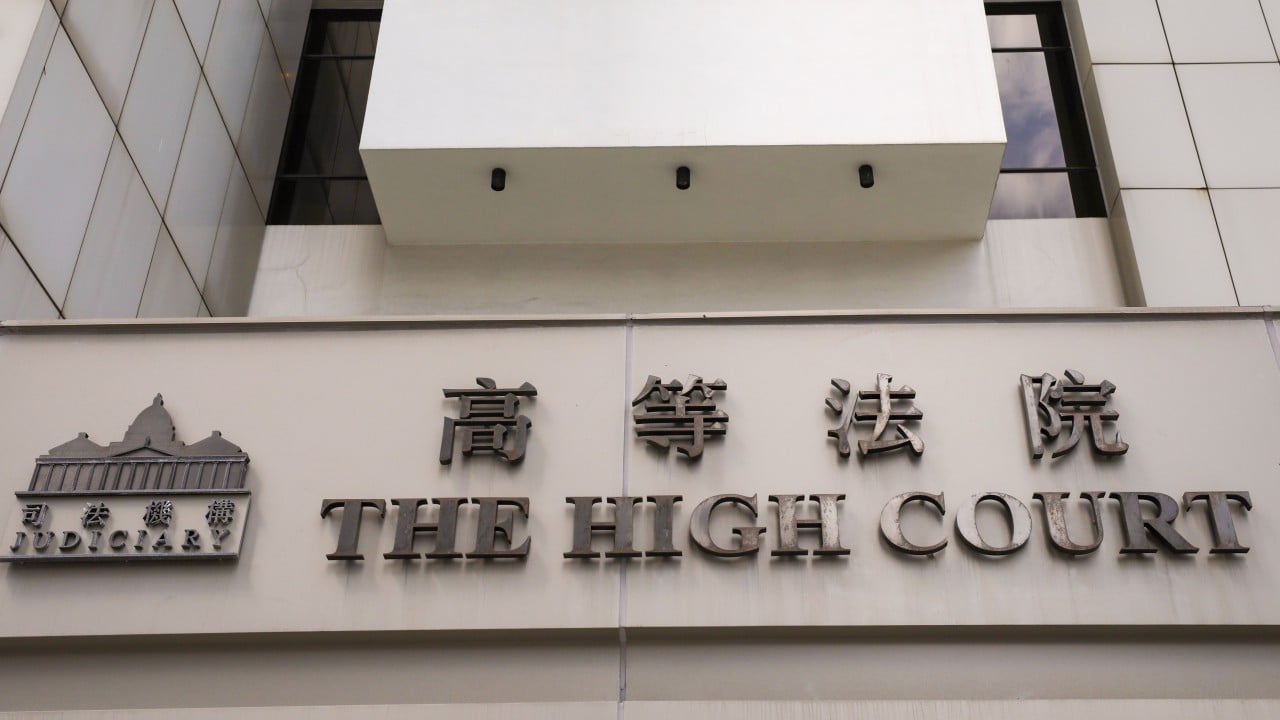
When reporters cornered Chan as he left the High Court building alongside fellow judges Thomas Au Hing-cheung and Anderson Chow Ka-ming, he offered no explanations. He declined to answer whether pressure from leadership forced his hand or if the crushing workload of the Hong Kong judiciary played a role. He simply stated he had no comment and walked away.
The Broader Impact on Hong Kong Courts
Public confidence in the legal sector takes a massive hit when judges cut corners. Hong Kong courts already face intense international scrutiny and domestic pressure regarding judicial independence and procedural integrity.
When a senior judge gets caught lifting text for formal rulings, critics point to systemic burnout, while defenders worry about the normalization of lax standards. Plagiarism undermines the foundational requirement that every judicial opinion must reflect independent legal reasoning and original analysis.
The exit of Chan leaves an open seat and a lingering question about oversight. If high-ranking members of the bench can repeatedly recycle text without detection until it becomes a public scandal, internal quality controls clearly failed for years.
Moving Forward Without Institutional Blind Spots
Scandals like this force courts to tighten accountability measures. Transparency cannot stop at the courtroom door. Judicial councils must actively audit written opinions rather than waiting for whistleblowers or journalists to expose copied sections.
If you track legal developments in the region, keep an eye on how upcoming appointments handle high-profile drug trials and whether judicial oversight committees implement stricter verification protocols. Accountability starts at the top.