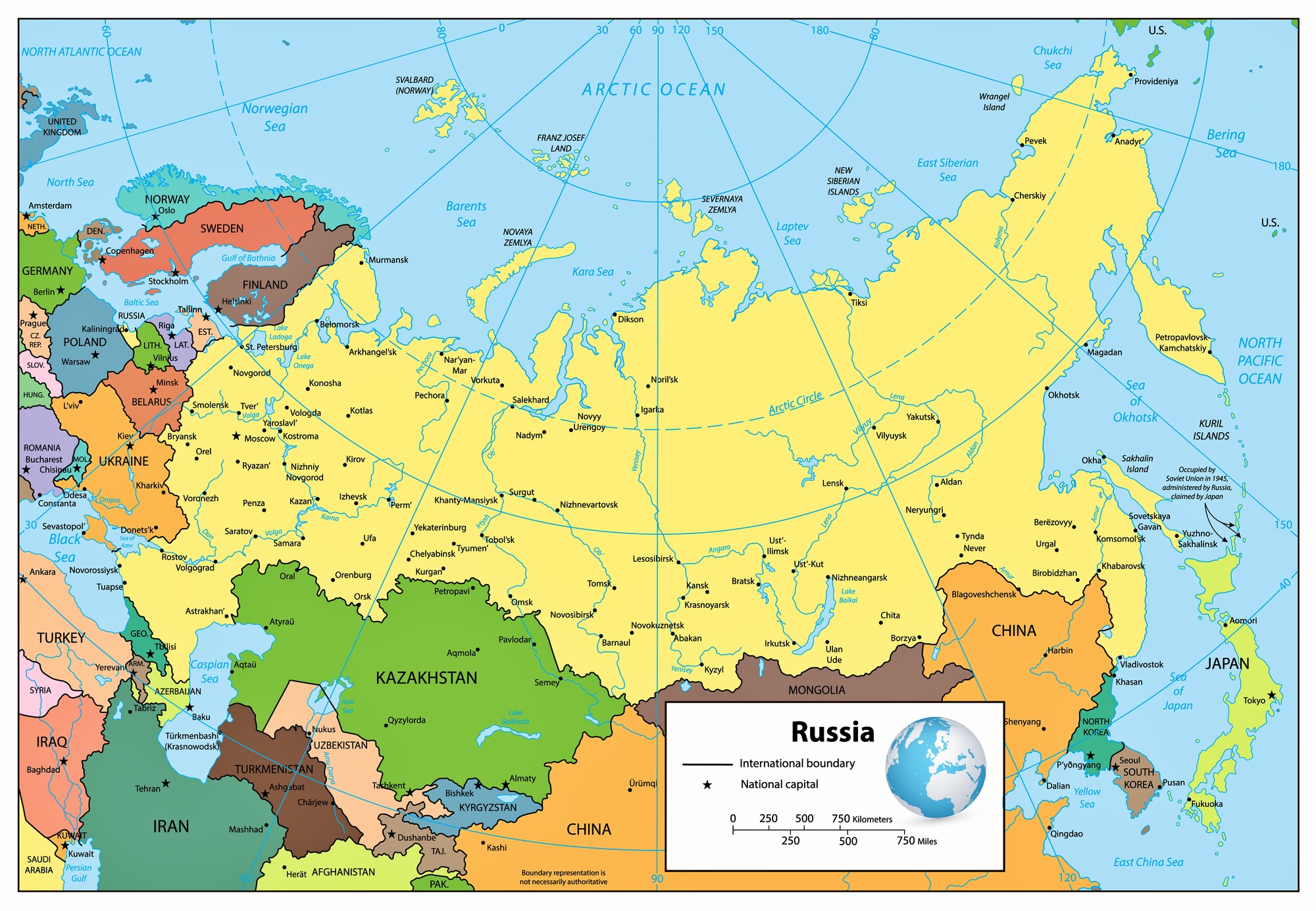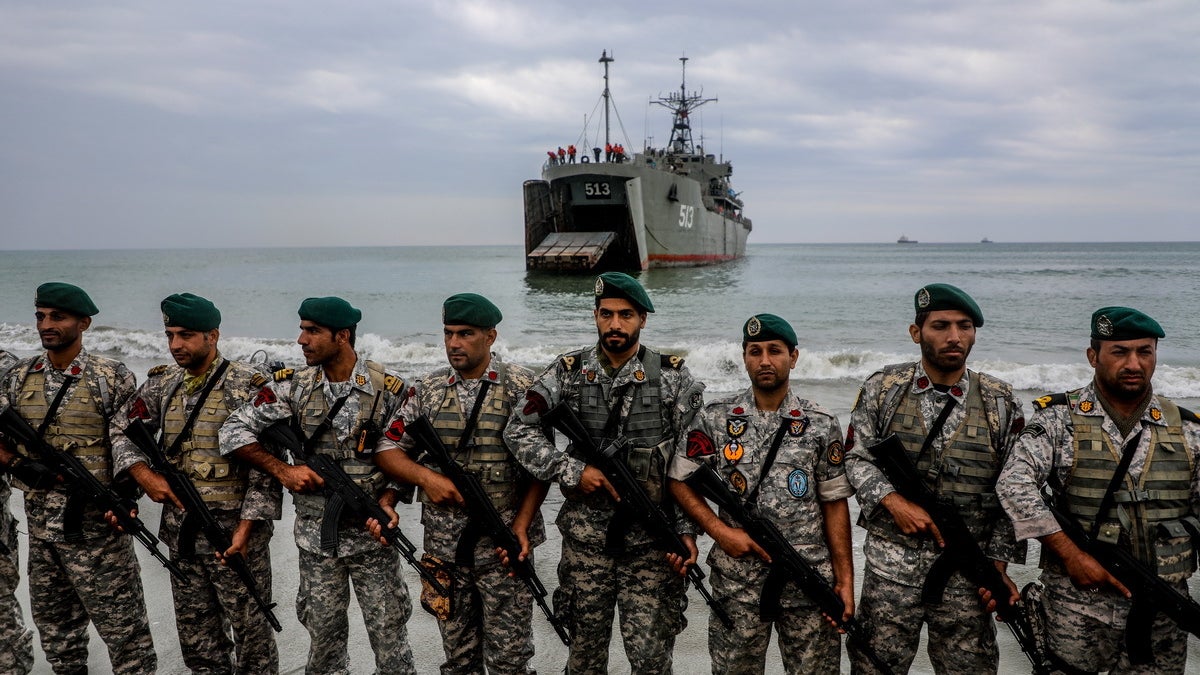
The Strait of Hormuz is barely 21 miles wide at its narrowest point, yet it carries a massive chunk of the world's daily petroleum supply. When an Iranian warship moves aggressively near an Indian oil tanker in these choke points, nobody should panic immediately, but everyone needs to pay attention. Maritime security in the Persian Gulf is fragile. One wrong radio call can spark an international incident.
If you are wondering why this specific confrontation matters so much right now, you have to look at the high stakes involved in global energy routes. India relies heavily on Middle Eastern crude to keep its domestic economy running. Iran controls the northern coastline of the Hormuz corridor. When naval forces from Tehran challenge commercial vessels flying foreign flags, shipping companies instantly scramble. Insurance premiums spike. Tensions boil over.
The Anatomy of a Choke Point Crisis
You cannot talk about the Persian Gulf without acknowledging how easily commercial traffic can be weaponized or squeezed. Tankers hauling millions of barrels of oil navigate narrow shipping lanes that leave zero room for error. When an Iranian naval asset decides to close distance on a commercial tanker like the ones servicing Indian energy importers, it creates an immediate military standoff.
Naval escorts usually step in. The Indian Navy has frequently deployed destroyers and frigates under Operation Sankush to protect its flagged merchant vessels traversing the region. Yet, the presence of military escorts does not eliminate the underlying risk. It just turns a potential boarding incident into a high-stakes chess match between competing navies operating in congested waters.
- Narrow Corridors: Inbound and outbound shipping lanes are separated by just two miles of buffer zones.
- Vulnerable Cargo: VLCCs (Very Large Crude Carriers) carry cargo valued in the tens of millions of dollars.
- Communications Gaps: Misunderstandings over bridge-to-bridge VHF radio channels happen all the time.
Why India Is Caught in the Middle
New Delhi walks a diplomatic tightrope in the Middle East. India maintains strong economic and energy ties with Gulf cooperation states, handles major trade partnerships with Western powers, and preserves a working, pragmatic relationship with Iran. That diplomatic balancing act gets tested every single time a standoff erupts in the Strait of Hormuz.
Energy security equals national security. When tanker operators face harassment or threats of seizure, the cost gets passed down directly to consumers through rising fuel prices. India cannot afford prolonged disruptions in these shipping lanes. This explains why the Indian naval presence in the western Indian Ocean and the Persian Gulf has scaled up significantly over recent years. They are not there for show. They are there because commercial survival demands it.
What Captains and Crews Face Daily
If you speak to anyone who works on the bridge of an oil tanker passing through the Strait of Hormuz, they will tell you the tension is palpable. Crews run drills constantly. They test their automated identification systems. They keep emergency channels open to naval command centers in Mumbai or regional coalitions.
It is a grinding, high-stress environment. You have armed fast-attack craft buzzing your hull while military radar tracks every movement from shore batteries across the Iranian coast. One misstep by a nervous deck officer or an overly aggressive patrol boat commander can trigger a kinetic response.
The Broader Geopolitical Fallout
These flashpoints rarely happen in a vacuum. They connect directly to ongoing sanctions, regional proxy conflicts, and naval posturing between Tehran and Washington. When trade routes become diplomatic leverage, neutral commercial actors bear the brunt of the instability.
Market analysts watch these confrontations closely. Energy futures swing wildly based on unconfirmed reports of vessel harassment or warning shots. If you trade commodities or manage supply chains, ignoring the geopolitical pulse of the Persian Gulf is a fast track to disaster.
Protect your exposure. Diversify your logistical assumptions. Keep a close eye on naval deployment tracks through open-source intelligence feeds before booking critical shipments through the Gulf corridor.