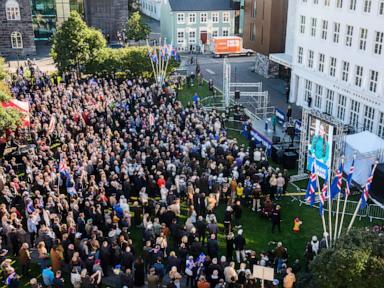
When voters in Iceland headed to the polls, they weren't just thinking about standard diplomatic ties. They were staring down a volatile North Atlantic security puzzle made significantly more complicated by the White House.
If you've wondered why a small island nation's stance on the European Union suddenly matters on the global stage, it comes down to a mix of fear, fishing rights, and shifting superpower ambitions. U.S. President Donald Trump's repeated comments regarding control over neighboring Greenland sent shockwaves straight through Reykjavik, located just 180 miles away. Even though Iceland sits safely within NATO, citizens grew deeply unsettled when Trump mixed up the two Arctic territories in public statements. That background noise turned a routine domestic debate over EU integration into a referendum on national survival. You might also find this similar article interesting: Why Canada And Europe Are Building A New Alliance Beyond Trade.
The Geopolitical Shadow of Greenland
Let's be clear about the stakes. The left-leaning coalition government moved up this referendum because they believed closer European integration could act as a diplomatic shield. When an unpredictable superpower starts eyeing strategic territory in your backyard, you start looking for heavy anchors.
Supporters of triggering EU talks argued that joining the 27-nation bloc would offer institutional protection. They pointed out other tangible perks too: As discussed in latest coverage by The Washington Post, the implications are significant.
- Swapping the volatile Icelandic króna for the euro to tame stubborn inflation and high interest rates.
- Unifying forces with European neighbors to tackle cross-border issues like climate change.
- Gaining a collective voice in European security architectures.
Yet, voters ultimately rejected the proposal by a 52.8% to 47.2% margin, signaling that sovereignty still trumps shelter for a large portion of the population.
Why Fish Matter More Than Bureaucracy
You can't talk about politics in Iceland without talking about the ocean. For generations, the fishing industry has formed the absolute bedrock of the nation's identity and economy.
Opponents of the EU membership talks focused intensely on Brussels' common fisheries policy. Joining the bloc would mean opening up rich Icelandic waters to foreign trawlers from countries like Spain and the Netherlands. For many citizens, handing over control of the catch is a non-starter. As local voters noted at the ballot box, protecting domestic control over the seas outweighs the theoretical safety net of European bureaucracy.
Prime Minister Kristrún Frostadóttir pushed hard for a fresh look at Europe, hoping to elevate the national conversation about Iceland's place in an increasingly unstable world. But traditional anxieties about losing absolute control over local resources won the day.
What Happens Next in the North Atlantic
The referendum result means the door to Brussels remains firmly closed for now, leaving Iceland to navigate turbulent international waters on its own terms.
If you are following Arctic geopolitics, keep a close eye on U.S. policy toward Greenland in the coming months. As long as Washington keeps up pressure in the region, debates over sovereignty versus collective security won't disappear in Reykjavik. Iceland managed to hold its ground this time, but the underlying tensions in the North Atlantic are only heating up.
Iceland Rejects EU Membership Talks Amid Trump's Greenland Threats
This video provides an overview of Iceland's referendum rejecting EU talks amidst regional tensions.
http://googleusercontent.com/youtube_content/1