Geopolitical panic doesn't automatically rewrite a nation's core economic identity. When Icelanders headed to the polls on August 29, 2026, international observers expected an earthquake. Washington's erratic maneuvering over Greenland had rattled the North Atlantic, and Reykjavík's left-leaning coalition government pushed up a long-planned referendum to gauge whether the volcanic island nation should reopen accession talks with Brussels.
Voters said no.
By a margin of 52.8% to 47.2%, with an impressive 82.5% voter turnout according to the National Electoral Commission via AP News, Iceland shut down the push to resume negotiations. The result proved that while external security anxiety is real, domestic priorities like fishing rights and monetary independence still hold absolute veto power over grand strategic ambitions.
The Greenland Factor and the Rush to the Ballot
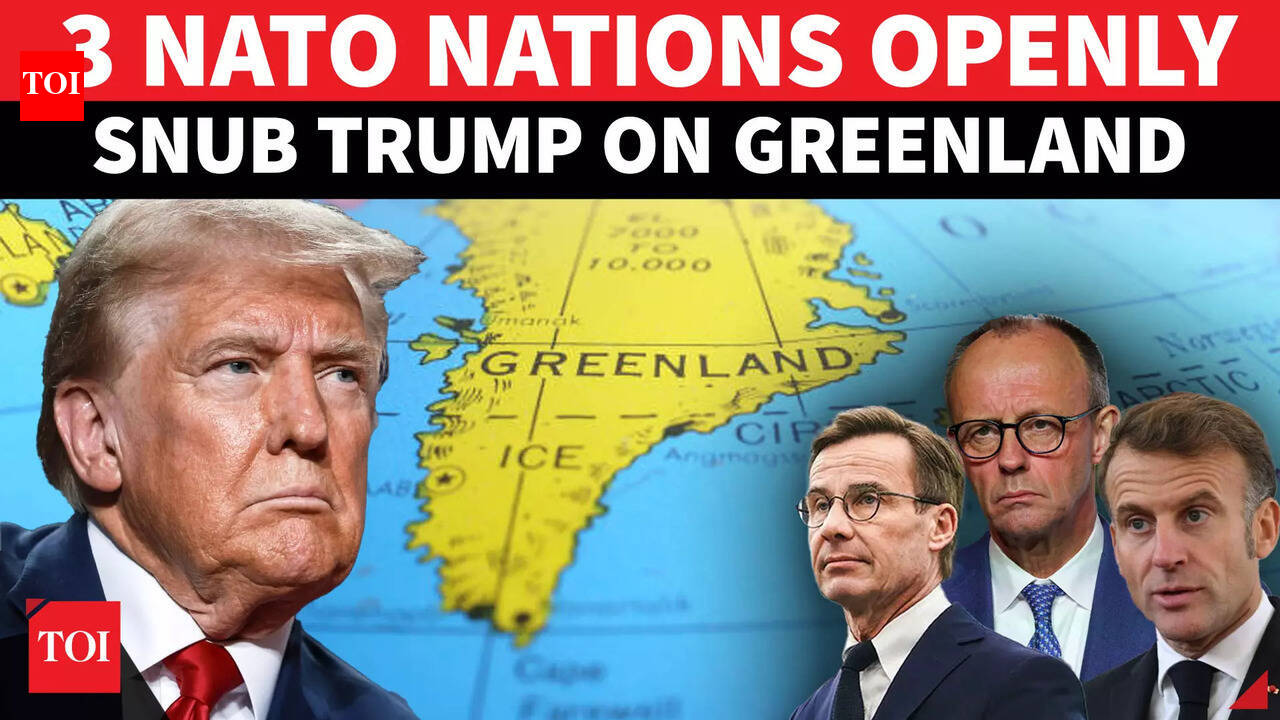
To understand why this vote happened in late 2026, you have to look at the sudden frostbite in transatlantic relations. The Trump administration's repeated, vocal assertions about taking control of nearby Greenland sent shockwaves through Nordic capitals. Because Iceland sits strategically right across the GIUK gap between the Arctic and the North Atlantic, officials in Reykjavík suddenly felt dangerously exposed.
Pro-EU voices argued that formal membership in the bloc would provide a diplomatic shield and greater stability. They pointed out an uncomfortable local reality: Iceland already adopts a vast chunk of EU legislation through its membership in the European Economic Area (EEA) and the Schengen Area, yet it sits at the kids' table without a vote on those rules.
Supporters hoped fear would change minds. It didn't.
Why the No Campaign Won
The No campaign didn't win because Icelanders hate Europe. They won by focusing on the same sacred cows that have dominated local politics for decades. Fisheries remain the lifeblood of the coastal economy, and 90% of Icelandic fishing companies fiercely opposed any move toward Brussels according to Gallup polling data cited on Wikipedia.
Joining the EU would mean entering the bloc's Common Fisheries Policy, effectively stripping Iceland of unilateral control over its quotas and opening its waters to foreign commercial interests. For an island nation that views its maritime borders as an extension of its sovereignty, surrendering the fishing grounds is a non-starter.
Voters also wanted to protect the króna and keep ultimate veto power over local resources. As analysts from The Loop note, the referendum was merely advisory and did not cancel Iceland's dormant 2009 application. It simply decided that current economic and regulatory integration without full institutional membership is sufficient.
What Actually Changes Now
Nothing and everything.
Day-to-day life in Reykjavík doesn't shift because of the ballot box. Iceland remains plugged into the European single market via the EEA, cooperates closely on security initiatives like the March 2026 EU-Iceland Security and Defence Partnership, and leans on its historical 1951 defense agreement with the United States.
The vote proved that geopolitical shocks can force a country to debate its future, but local economic self-interest ultimately wins out. Iceland kept its gate closed, preserving its autonomy while keeping the exact same structural dependencies it has managed for decades.