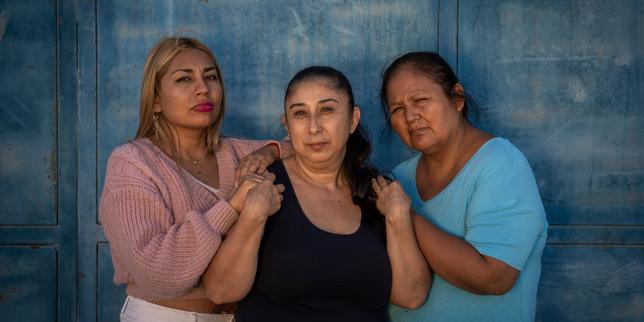
Communities shouldn't have to fund their own medical treatments while foreign corporations profit from toxic trade. Yet, that is precisely the brutal reality unfolding in parts of Chile, where imported industrial byproducts leave a devastating trail of heavy metal contamination. When local residents are forced to organize charity raffles just to pay for basic healthcare, systemic environmental injustice has reached a breaking point.
The Hidden Cost of Global Resource Flows
We talk endlessly about green transitions, electric vehicles, and renewable infrastructure. What gets left out of the glossy corporate brochures is the dark underbelly of the global supply chain. Industrial waste doesn't just vanish when it gets shipped across oceans.
Historically, nations with lax oversight or weaker regulatory frameworks become dumping grounds for hazardous materials. When mining waste travels across borders, it brings along a cocktail of dangerous elements like arsenic, lead, and cadmium. These substances slip into local water supplies and settle in agricultural soils before anyone notices the symptoms.
Communities living near these contamination zones bear the brunt of an economy that rewards extraction over human life.
When Healthcare Becomes a Luxury Game
Medical bills pile up fast when chronic heavy metal poisoning sets in. Respiratory issues, neurological damage, and elevated cancer rates are standard outcomes of long-term exposure. In many affected Chilean neighborhoods, public health infrastructure simply cannot cope with the sheer volume of sick patients.
Families face an impossible choice. Do they pay for costly diagnostic tests or put food on the table?
That forces grassroots mobilization out of sheer desperation. When bingo nights and community fundraisers become the primary funding mechanism for oncology treatments, the state and corporate actors have failed completely. People are literally betting on luck to survive industrial negligence.
Fixing Accountability in International Trade
Transparency laws need teeth. Right now, companies exploit loopholes in international shipping agreements to offload hazardous residues onto vulnerable populations. If you generate industrial waste, you should manage its lifecycle locally rather than exporting the hazard to developing regions.
Governments must enforce strict border inspections and mandate full traceability for all industrial imports. Citizens deserve real accountability, independent environmental monitoring, and immediate compensation for communities already harmed by toxic exposure.
Stop looking away from the human toll hidden behind international trade agreements. Real people are paying the price with their health every single day.