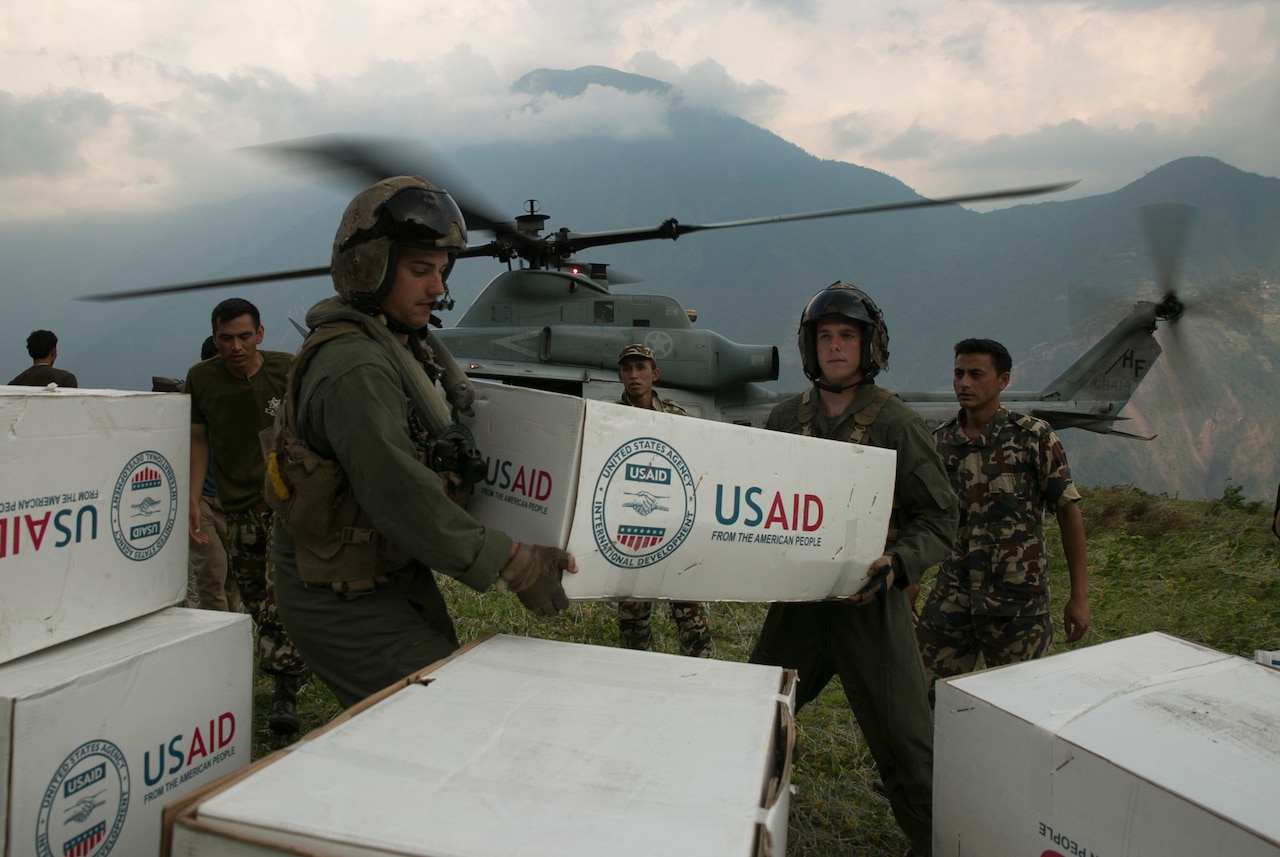
Flash floods don't wait for paperwork. When disaster struck Nepal's Bhotekoshi River area in Rasuwa, hundreds of lives were upended almost instantly, leaving communities cut off and infrastructure completely shattered.
India didn't wait around to respond. New Delhi scaled up its humanitarian assistance and disaster relief operations by dispatching an Indian Air Force flight loaded with critical supplies and a specialized rescue crew. This marks a sharp transition from dropping basic food parcels to tackling complex, technical rescue missions on the ground.
What is India actually sending to Nepal?
It's not just random aid boxes thrown onto a cargo plane. Total relief material dispatched has reached 57.5 tonnes across multiple flights coordinated by the Ministry of External Affairs and the Indian Air Force.
The logistics breakdown tells the real story of what is needed when rivers burst their banks:
- Flight one and two: Carried 47.5 tonnes of temporary shelters, heavy-duty blankets, hygiene kits, solar lamps, dewatering pumps, kitchen sets, diesel generators, and core medicines.
- Flight three: Brought an additional 10 tonnes of essential supplies, including portable generator sets, dignity kits, food packets, and vital water purification tablets to stave off post-flood waterborne diseases.
The supplies were officially handed over to Mahabir Pun, Nepal's Minister for Science, Technology and Innovation, under India's stated 'Neighbourhood First' policy framework.
The tricky part: Specialised tunnel rescue operations
Dropping tents from a cargo plane is the easy part. Saving trapped workers from a flooded hydroelectric project tunnel is entirely different.
External Affairs Minister S. Jaishankar confirmed that the third flight carried an 11-member specialized medical and tunnel rescue squad. This team includes experienced doctors, paramedics, and a reconnaissance unit designed to size up structural damage inside blocked underground tunnels where individuals are feared trapped.
Assessing subterranean hazards filled with debris, mud, and structural instability requires specialized gear and specialized thinking. India has also offered Bailey bridges and technical bridge-building crews to restore surface connectivity in remote pockets where roads have been washed away entirely.
How international partners are responding
India isn't working in a vacuum. The World Health Organization stepped up its emergency response by releasing $150,000 in immediate funding alongside emergency health supplies meant to sustain nearly 10,000 people for three months. WHO Director Tedros Adhanom Ghebreyesus noted that tents, masks, gloves, and hand sanitizers were rushed into service within hours of the disaster hitting.
Neighborhood diplomacy often gets bogged down in bureaucratic statements, but heavy-lift transport aircraft and rapid-deployment engineering units show how cross-border logistics actually function during catastrophic weather events.
Check local updates from the Ministry of External Affairs or follow regional situation reports to track how reconstruction efforts progress in Rasuwa and surrounding river basins.