The traditional playbook of American-led military pacts in Asia is fading. For decades, the Pentagon anchored regional stability through a rigid hub-and-spokes system of formal treaties with capitals like Tokyo, Seoul, and Canberra. It was predictable, heavy, and increasingly ill-suited for a messy, multi-polar era.
Today, India is building something entirely different. New Delhi isn't signing formal mutual defense treaties. It isn't interested in becoming a formal ally of Washington, nor is it trying to build an Asian NATO. Instead, India is quietly weaving a dense net of mini-alliances based on concrete, transactional security needs—and it's altering the balance of power across the Indo-Pacific.
This isn't about grand ideological statements. It's about raw pragmatism. As US commitments fluctuate due to shifting domestic politics and ongoing focus in West Asia, regional actors are realizing they can't rely on a single external guarantor. India is stepping right into that vacuum.
The Rise of Minilateralism Over Heavy Pacts
For years, Western analysts complained about India's obsessive commitment to strategic autonomy. They saw it as a stubborn relic of the Cold War. What those critics missed was how that exact policy allowed New Delhi to pivot quickly toward custom-built partnerships without the baggage of formal obligations.
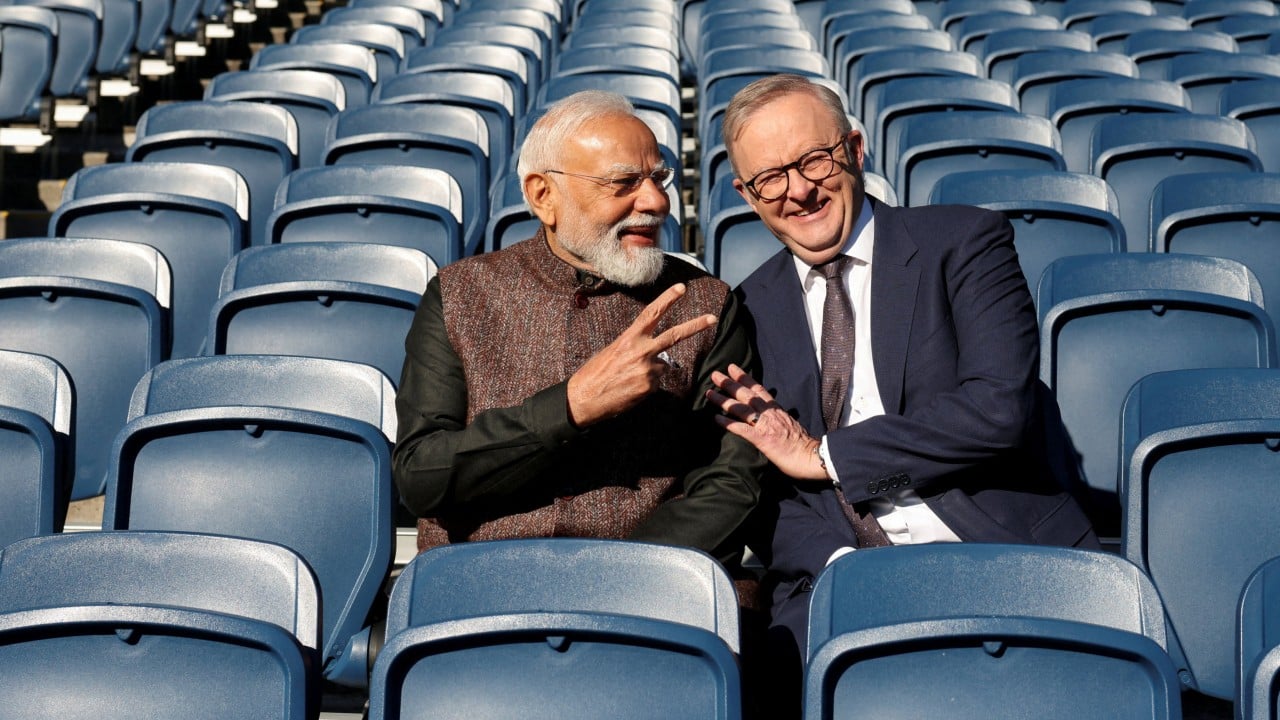
Look at the frantic pace of Indian diplomacy lately. Prime Minister Narendra Modi’s recent visits to Indonesia, Australia, and New Zealand weren't just standard diplomatic grip-and-grin tours. They targeted highly specific, operational military gaps.
Take Indonesia, a state that historically fiercely guarded its non-aligned status. Jakarta just decided to acquire Indian-made BrahMos supersonic cruise missiles. Even more crucial is what's happening on the water. India and Indonesia are actively expanding Sabang Port in Aceh, positioned directly at the throat of the vital Malacca Strait. They are also connecting infrastructure to India's own Andaman and Nicobar Islands.
You don't need a formal treaty to lock down a chokepoint when you share the same naval real estate.
Tech and Metals are the New Weaponry
The mistake most people make when analyzing regional security is looking only at aircraft carriers and fighter jets. Security in 2026 is fought through supply chains, microchips, and rare earth elements. India knows this. Its partnerships with advanced economies like Japan and Australia are increasingly driven by industrial survival.
The India-Japan security dynamic has completely transformed over the last decade. It moved from a baseline of development aid to hard defense engineering. The two countries are co-developing the UNICORN naval communications antenna system and setting up joint maintenance, repair, and overhaul facilities. Under the Acquisition and Cross-Servicing Agreement, Indian and Japanese forces seamlessly share fuel, logistics, and bases.
Down south, the agreement with Australia brings critical mineral supply chains and advanced defense science under a single umbrella. India gets access to the raw materials needed for its domestic high-tech military push, while Australia secures a massive democratic market that isn't China.
Why This Works Better Than an Asian NATO
Beijing frequently decries mini-alliances like the Quad as attempts to create an exclusive, hostile bloc. But the loose nature of India's partnerships actually makes them incredibly resilient against Chinese diplomatic pressure.
A formal treaty creates a clear, singular target for economic coercion or military posturing. A decentralized web of overlapping bilateral and trilateral agreements is much harder to break. If one link experiences a political shift, the rest of the web holds.
This isn't an invisible wall built by Washington. It's an Asian-led security architecture where the "spokes" are transforming into hubs themselves. India acts as the central connective tissue linking Southeast Asian anxieties, Australian resources, and Japanese technology.
Next Steps for Regional Observers
If you're tracking geopolitics or supply chain vulnerabilities in Asia, look past the empty rhetoric of major multilateral summits. Watch these specific indicators instead:
- Watch the Sabang Port developments: The speed at which India and Indonesia commercialize and militarize this facility will dictate who controls the Malacca Strait entry points.
- Monitor BrahMos missile contracts: As more Southeast Asian nations look to India for defense hardware, New Delhi effectively becomes a primary security supplier to the region.
- Track the implementation of logistics sharing agreements: True interoperability happens when navies can fuel and fix each other's ships without bureaucratic red tape.
India’s new strategic playbook proves that in modern geopolitics, flexibility beats a rigid alliance every single time.