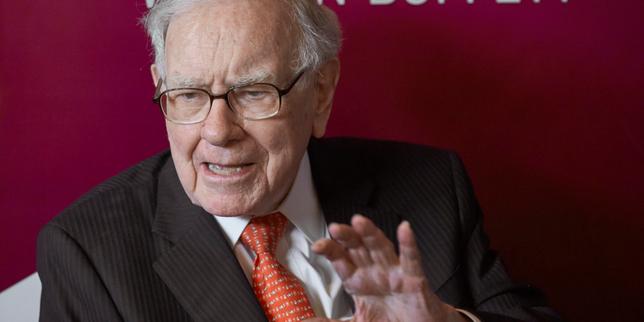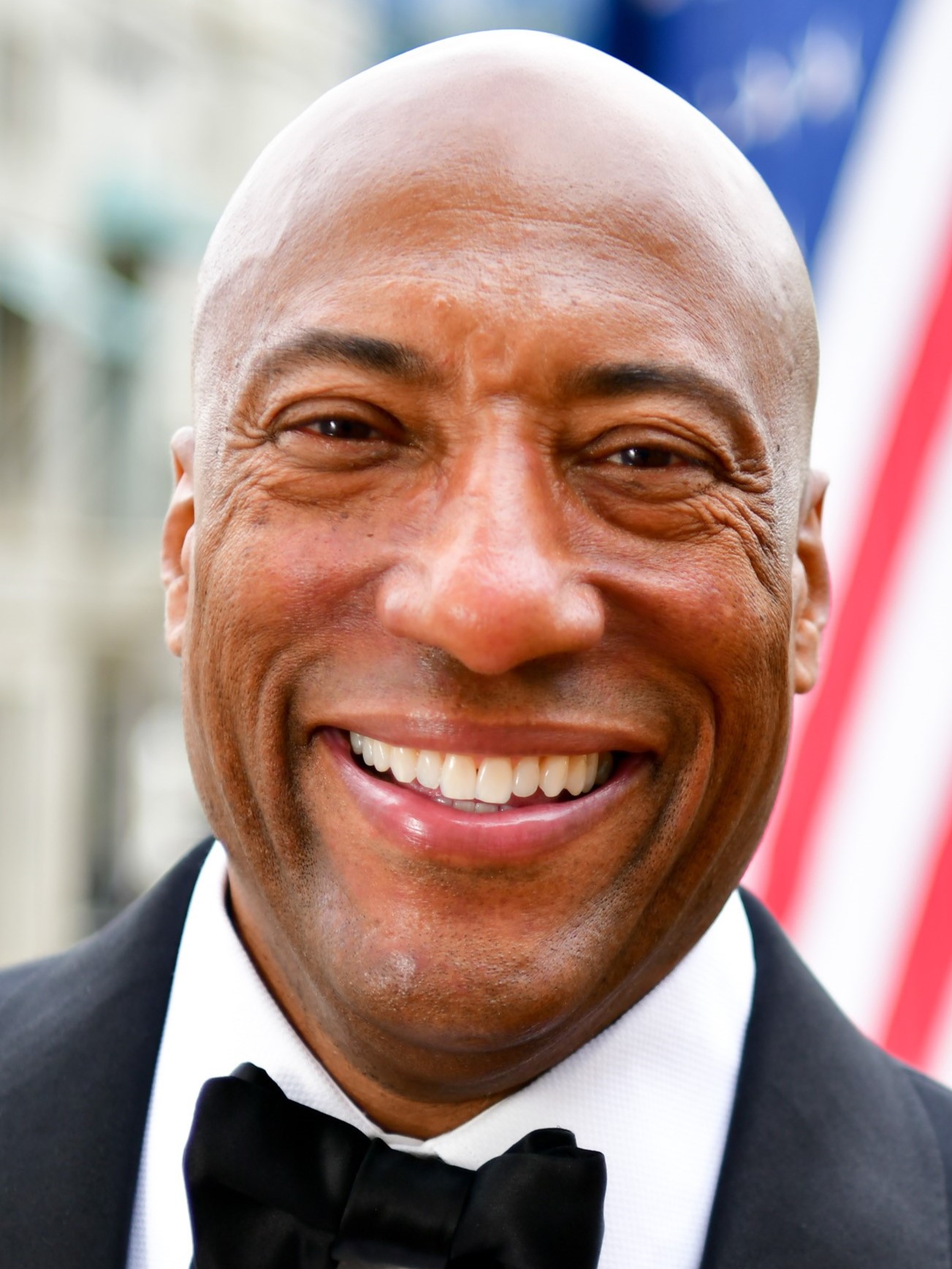
Long before he started writing multi-billion dollar acquisition checks for legacy broadcast networks, Byron Allen was just a teenager standing outside a comedy club hoping for a five-minute set. Most people remember the stand-up roots or the early days on daytime television, but they miss the real story. He didn't just stay a comic. He figured out that renting your talent to other people keeps you poor, while owning the distribution pipes makes you untouchable. That single realization turned a kid from Detroit into one of the most powerful media moguls operating today.
The Evolution Of Allen Media Group
From Independent Production To Cable Networks
You don't build a billion-dollar footprint by playing it safe. Back in 1993, the enterprise started small with independent television production. Instead of waiting for a major network to greenlight a show, the company created low-cost, high-margin programming and syndicated it directly to local stations. That algorithmic approach to cash flow funded bigger plays down the line. By 2009, the business made history by launching six high-definition cable networks simultaneously. You've probably scrolled past them—networks like Cars.TV, Comedy.TV, and Recipe.TV quietly printing money while traditional cable giants panicked over cord-cutters.
The Weather Channel And Massive Broadcast Bets
Buying The Weather Channel for $300 million back in 2018 changed everything. It gave the parent company instant meteorological credibility, real-time data infrastructure, and a heavy-hitting asset that households relied on daily. After that win, the acquisition machine went into hyperdrive. The organization snapped up dozens of broadcast television stations across the country, spending hundreds of millions to secure local eyeballs. When you control local affiliate stations, you control the ad revenue and the political spending that floods every single election cycle.
Chasing Whales And Digital Reboots
High-Dollar Bids And Public Rejections
If you follow media news, you know the billionaire doesn't shy away from swinging at giant pitching machines. Over the past few years, public multi-billion dollar takeover offers targeted major players like Tegna, Paramount, and Disney's linear television assets. Wall Street snickered when some of those high-profile bids didn't cross the finish line. Critics called them publicity stunts. They misunderstood the aggression. The playbook relies on putting massive pressure on legacy boards, signaling that independent capital is ready to swallow heritage media whole if the price drops low enough.
Taking Over Digital Media
When digital publishing hit rock bottom, the mogul spotted blood in the water. A controlling stake in BuzzFeed—including HuffPost and Tasty—was secured through a $120 million deal, placing him directly in the CEO chair. Traditional digital media watchers panicked over subsequent deep staff cuts, but the strategy focuses on a different metric entirely. The plan integrates those massive web traffic engines directly into free streaming video systems like Local Now, bridging the gap between old-school broadcast syndication and modern digital consumption. You can track how traditional media consolidation shifts power by reading updates on Forbes.
Why Ownership Matters Most
Controlling The Pipe Versus Renting Space
Most creators and small production houses make the mistake of focusing entirely on the creative spark. They spend months polishing a pilot, only to hand all ownership rights to a streaming platform for a one-time payout. The mogul's entire philosophy rejects that model. You have to own the infrastructure. If you own the cable network, the streaming app, the local station affiliate, and the digital distribution pipeline, nobody can cancel your show or lock you out of your own audience.
Economic Power And Representation
Building an independent empire of this scale isn't just about personal wealth. It creates structural leverage for minority-owned media. Platforms like HBCU GO and TheGrio give dedicated spaces to stories that traditional Hollywood boardrooms routinely ignore. When you hold the keys to distribution, you don't have to beg a legacy gatekeeper for permission to reach millions of viewers. You just flip the switch. For broader economic analysis on minority business growth, check resources provided by the U.S. Small Business Administration.
What You Can Learn From This Blueprint
If you want to apply these hard-nosed business lessons to your own career or growing enterprise, stop renting your future and start stacking structural assets.
- Audit your revenue streams right now and identify where you are renting space instead of building equity. Shift your focus toward owning the core delivery mechanism of your work.
- Look for distressed assets in your industry when market conditions dip. When others are panicking and selling at a loss, disciplined capital deployment yields massive long-term leverage.
- Cut dead weight ruthlessly when taking over underperforming projects. Sentimentality destroys profit margins, and a turnaround requires immediate operational discipline.