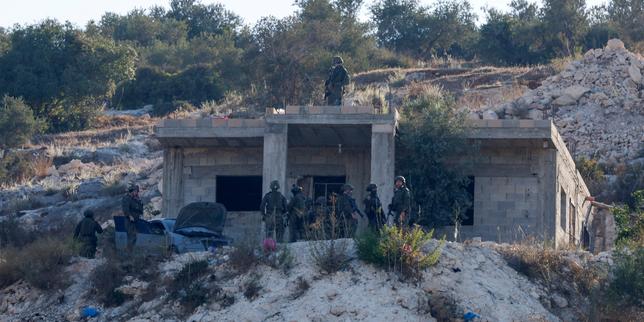
The rules of engagement in the West Bank shifted the moment a drone strike hit a target in Jenin. While ground incursions remain a staple of military operations in the territory, aerial attacks introduce an entirely different layer of kinetic force.
On August 28, 2026, the Israeli military announced it had killed three individuals during a targeted operation in the northern West Bank. According to official reports, the strike neutralized local figures identified as combatants, including 22-year-old Qaïs Bitawi, alongside two companions. Eyewitness accounts from journalists on the ground noted security forces extracting bodies from a building under construction on the western outskirts of Jenin, highlighting the urban density where these engagements now take place. Don't forget to check out our earlier coverage on this related article.
Why Aerial Strikes Mark a Major Tactical Shift
Ground raids in cities like Jenin or Tulkarem typically involve hours of firefights, armored vehicles, and high risks for infantry units. Using drones or aircraft to execute targeted operations changes the operational calculus entirely. It minimizes direct close-combat exposure for soldiers while dramatically accelerating the speed of engagement.
Yet, this method amplifies friction on the ground. Humanitarian organizations reported immediate fallout following the August strike. The Palestine Red Crescent stated that its medical teams were temporarily detained by forces near the site, with equipment reportedly restricted before crews were ordered to depart. Incidents like these illustrate how fast-paced technological shifts in military tactics continue to collide with emergency response protocols in densely populated areas. If you want more about the history of this, The Washington Post offers an excellent summary.
The Broader Context of Regional Friction
You can't look at a single strike in Jenin without examining the broader ecosystem of violence defining the region. Official figures point to escalating casualties on all sides, with dozens of lives lost over recent months in a mix of localized attacks and military operations. At the same time, international pressure is mounting. Allies like France, the United Kingdom, and Canada have begun moving toward targeted sanctions concerning settlement expansion and security dynamics in the occupied territories, signaling that diplomatic fallout is tracking closely behind tactical escalations.
Militant factions, including the Palestinian Islamic Jihad and Hamas, frequently claim the casualties as active members of their armed wings, turning every localized flashpoint into a wider symbol of resistance. As aerial capabilities become more normalized in a theater once dominated exclusively by infantry sweeps, the humanitarian and political costs continue to compound.
Watch how these tactics evolve over the coming months, because the line between temporary security measures and permanent strategic doctrine is blurring fast.