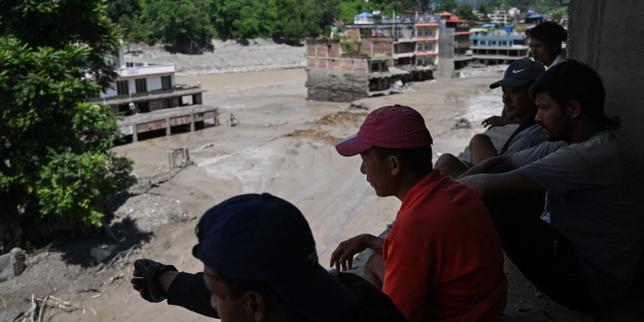
The wall of water arrived with almost zero warning. On August 26, 2026, a massive glacier collapse high in the Himalayas triggered catastrophic flash floods and landslides along the Nepal-Tibet border. Entire communities in districts like Rasuwa, Nuwakot, and Dhading vanished within minutes. Roads cracked open, bridges vanished into muddy torrents, and survivors were left staring blankly at landscapes they barely recognized.
This is now Nepal's deadliest natural disaster since the catastrophic 2015 earthquake. The confirmed death toll has soared past 900 people, with thousands more still missing across both the Nepali side and the Tibetan border zone. First responders are dealing with blocked highways, severed communication lines, and towns completely cut off from the outside world.
Why This Catastrophe Hit So Hard
You cannot look at this disaster simply as bad weather. Scientists tracking the event point to a dangerous mix of rising global temperatures and rapid infrastructure growth in fragile mountain valleys. As Himalayan glaciers retreat, they destabilize massive walls of ice and rock. When these glacial masses give way, they unleash destructive kinetic energy down narrow river basins like the Bhotekoshi.
Decades of economic expansion have pushed more people and tourist hubs directly onto riverbanks. Towns that once supported small communities now hold dense populations and commercial outposts. When a flash flood hits these steep valleys, the physics leave no margin for error. What might have washed away a few pastures a century ago now wipes out entire human settlements.
The Scale of the Emergency on the Ground
Access remains the single biggest hurdle for relief agencies. The United Nations Office for the Coordination of Humanitarian Affairs reports that tens of thousands of people urgently need clean water, sanitation supplies, and temporary shelter. In Kathmandu hospitals, medical teams treat severe injuries while trying to track hundreds of children separated from their families.
On the Chinese side of the border in Tibet, the devastation has also proved severe, with dozens of fatalities and hundreds unaccounted for—including pilgrims trapped after visiting sacred sites.
Food security is turning into an immediate crisis. Agencies like the World Food Programme are airlifting emergency rations into isolated pockets where local agriculture and markets lie buried under layers of rock and debris. Schools have turned into makeshift shelters, displacing thousands of children from their classrooms and stripping communities of basic stability.
What Comes Next for the Region
Immediate rescue operations led by tens of thousands of state security personnel and local volunteers are racing against time, but the sheer volume of debris makes finding survivors increasingly difficult. Preserving recovered bodies has become a grim logistical challenge for local authorities overwhelmed by the sheer volume of casualties.
Rebuilding these valleys will require a radical rethink of mountain development. You cannot keep paving riverbanks and ignoring retreating glaciers without paying a devastating price. Long-term planning must shift away from vulnerable flood zones toward higher, safer ground if these Himalayan communities want to survive the next climate shock.