Diplomacy between Washington and Tehran isn't completely dead, but it’s on life support. Iranian Foreign Minister Abbas Araghchi recently made it clear that while returning to negotiations is entirely doable, the ball rests squarely in America's court.
If you've been watching US-Iran relations, you know the cycle. Tensions flare, sanctions tighten, military maneuvers happen around the Strait of Hormuz, and everyone wonders if a broader conflict is around the corner. But behind closed doors and via public statements, officials are still talking about the terms of re-engagement.
What Iran Actually Wants From the US
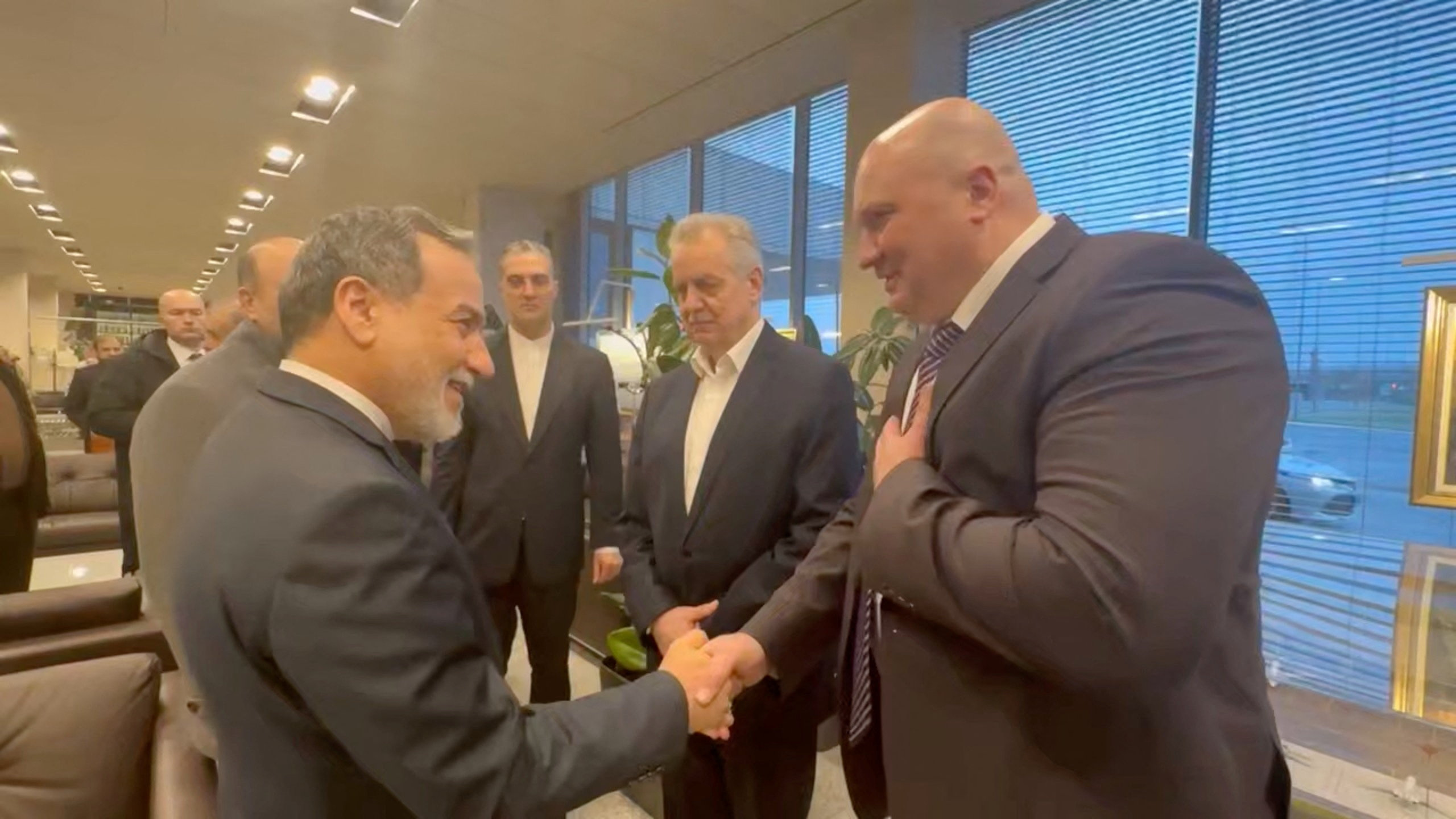
Araghchi didn't mince words on social media after holding talks with regional leaders like Qatar's Prime Minister and Foreign Minister Sheikh Mohammed bin Abdulrahman bin Jassim Al Thani. He laid out specific conditions for any future diplomatic engagement.
According to Tehran, Washington needs to drop the coercion playbook. Araghchi pointed out that pressure simply doesn't work. His exact list for building trust includes speaking respectfully, acknowledging Iran's national rights, and actually upholding prior diplomatic commitments.
It's a direct critique of the maximum pressure strategy. Tehran wants proof that any new agreement won't just get shredded the moment a new administration takes office. Can you blame them? The collapse of the Joint Comprehensive Plan of Action left deep scars on Iranian domestic politics, empowering hardliners who argued that negotiating with the West is a waste of time.
Washington's Cold Shoulder
While Iran keeps the door cracked open, the White House isn't rushing to walk through it. President Donald Trump has taken a hardline stance, ruling out immediate talks. The administration points to severe military and economic strains inside Iran, arguing that Tehran is currently operating from a position of profound weakness.
Trump recently noted that the Iranian state is facing deep internal pressure, mentioning that troops are struggling with pay and capabilities are constrained. Even though the vital Strait of Hormuz remains open for commercial energy traffic, Washington maintains that military options remain on the table.
This creates a massive diplomatic stalemate. Iran wants respect and relief from economic choking points before sitting down. Washington wants to dictate terms from a position of economic dominance while keeping military threats active.
The Regional Shifting Sands
Diplomacy in the Middle East rarely happens in a bilateral vacuum. Qatar's active role as a mediator highlights how regional powers are trying to prevent a catastrophic escalation. Gulf states rely heavily on stability in the Strait of Hormuz, where a massive share of global liquefied natural gas and oil passes daily.
At the same time, external actors like Russia complicate the chess board. When asked about Moscow's ties with Tehran, Washington has expressed a sort of cautious tolerance, noting that Russia's recent behavior regarding the Hormuz shipping lanes has been acceptable, even if the broader web of military cooperation between Moscow and Tehran raises eyebrows in Western capitals.
Where Things Go From Here
If you are looking for an immediate breakthrough, temper your expectations. Neither side is ready to back down completely. Iran needs economic breathing room, but its leadership refuses to look weak under a barrage of US sanctions. Washington wants total compliance without offering immediate, irreversible concessions.
Expect a prolonged period of proxy signaling, regional mediation through capitals like Doha, and sporadic maritime standoffs. Diplomacy isn't impossible, but it requires a level of mutual trust that currently does not exist. Keep an eye on backchannel talks through Gulf intermediaries—that is where any real shift will happen long before any official summit takes place.