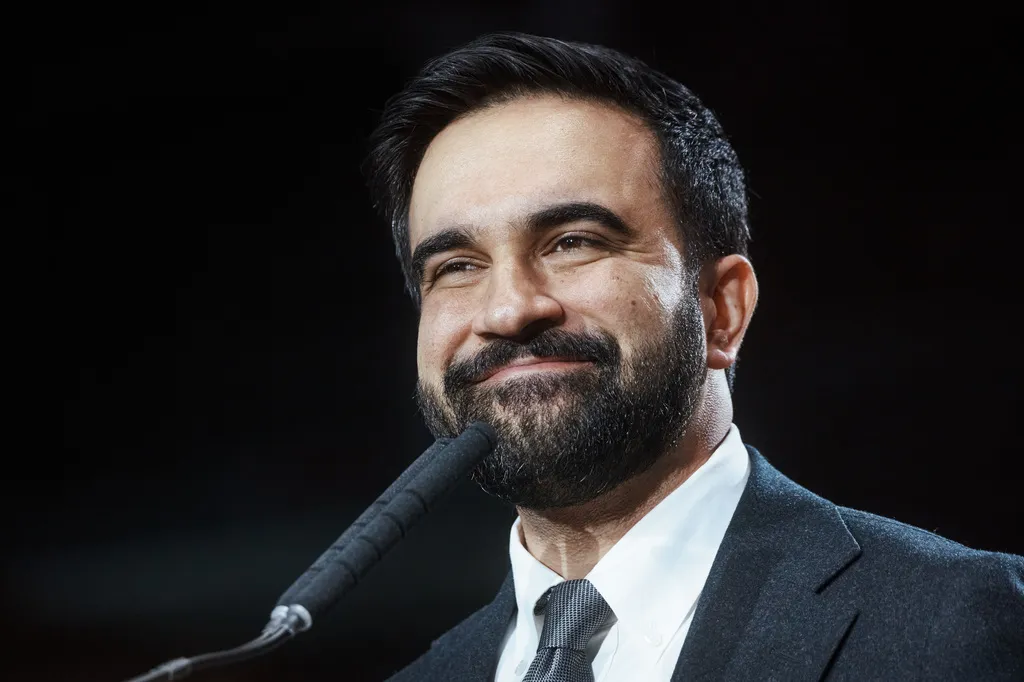
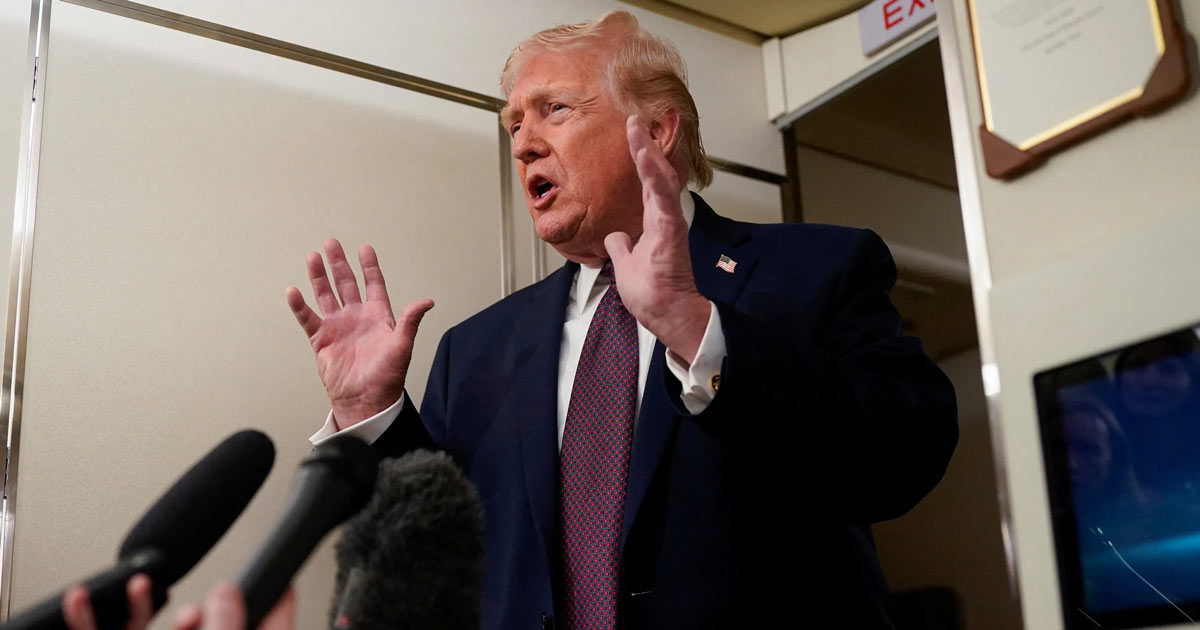
Geopolitical propaganda rarely hides behind subtlety. When high-ranking officials start throwing accusations across continents, the underlying motives usually involve intense diplomatic pressure rather than objective facts. Mohsen Rezaei, Iran's security chief, recently stepped forward to reject allegations regarding an assassination plot targeting Barron Trump, labeling the claims as manufactured stories designed to shift foreign policy alignments.
You don't need to look far to see how intelligence reports and state-sanctioned media narratives get weaponized in modern conflicts. Understanding what actually drives these conflicting public statements requires examining the intersection of regional strategy, psychological warfare, and shifting alliances between Washington, Tehran, and Jerusalem.
Unpacking the Allegations and Denials
The controversy gained momentum after Iranian state television broadcast material referencing Barron Trump's movements and security footprint in New York. While international media outlets interpreted the segment as a direct threat, Tehran's leadership quickly countered the narrative.
Rezaei dismissed the reports during a televised interview with regional networks, characterizing the whole episode as a manipulative trick orchestrated by Israeli Prime Minister Benjamin Netanyahu. According to Rezaei, the objective was to frighten American leadership and disrupt any diplomatic breathing room that might emerge between Washington and Tehran.
When evaluating these claims, keeping a close eye on the broader context matters. Tensions have fluctuated wildly since direct military exchanges occurred earlier in the year. Both sides routinely use public media channels to signal intent, test resolve, and deter opposing actions.
The Strategy Behind the Rhetoric
Why would an Iranian security official explicitly address rumors about a US president's family member? Deterrence works through communication as much as military capability. By calling out the accusations as fabricated propaganda, Tehran attempts to frame itself not as the instigator of reckless plots, but as the target of an information campaign designed by external actors to provoke a harsh US response.
At the same time, domestic audiences inside Iran consume these statements through a lens of resistance against economic and military pressure. State officials frequently project strength to counter the narrative of total isolation or vulnerability.
What This Means for Global Security
Navigating international news requires separating actual intelligence from political theater. While security agencies take any potential threat to protected individuals seriously—as evidenced by ongoing reviews from protection services—the public posturing from senior officials reveals a deeper struggle for narrative control.
As long as regional hostilities persist, expect more accusations, swift denials, and carefully orchestrated messages from every capital involved. Recognizing the tactical purpose behind these statements helps cut through the noise of modern geopolitical conflict.
Barron Trump Death Threat: Iran Rejects Netanyahu's Allegations
This video provides a detailed news broadcast regarding Iran's official response and rejection of the alleged assassination plot claims.
http://googleusercontent.com/youtube_content/1