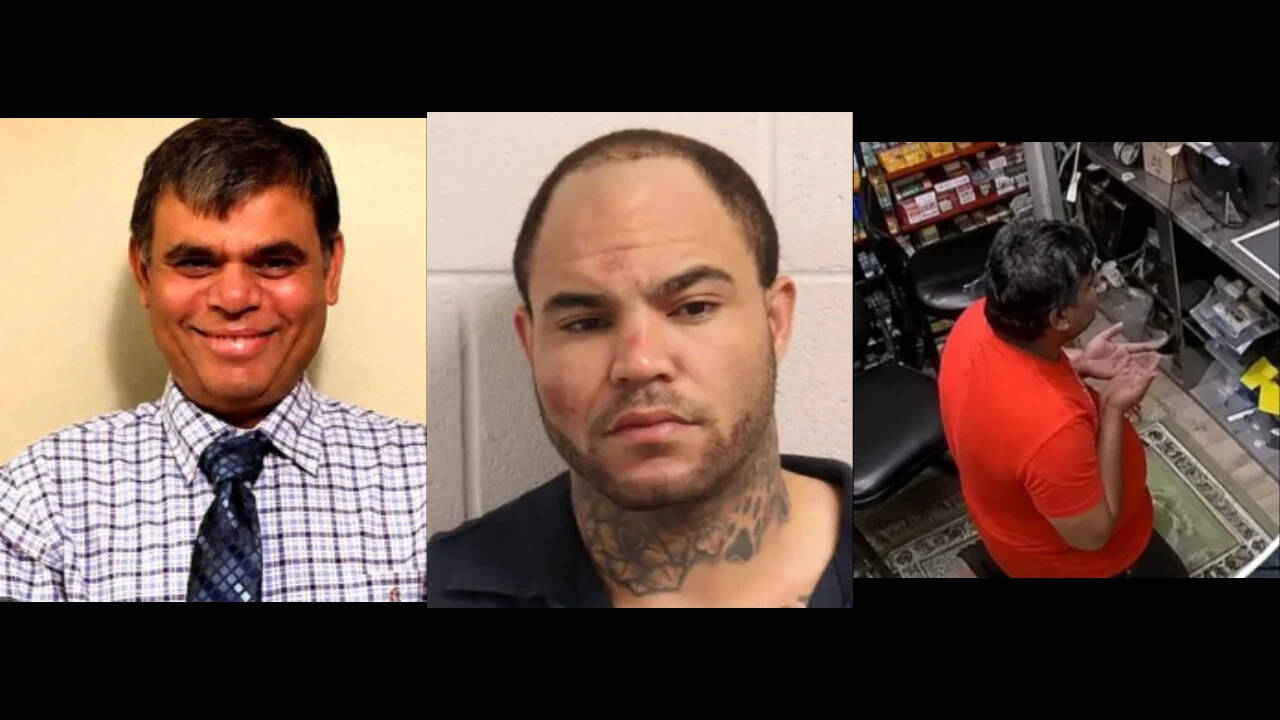
Running a small corner store or gas station late at night is a high-stakes gamble. You trade your safety for a paycheck, locking doors after dark while hoping nobody walks through with bad intentions. For Suresh Patel and Shahed Rana Mohsin, that daily risk turned fatal on two separate nights in Jackson, Tennessee.
District Attorney Frederick Agee made it clear the state is pursuing capital punishment for Corey Houge, the man accused of cutting down these two immigrant workers in cold blood. The brutal sequence of events laid bare the sheer vulnerability of blue-collar workers running family-owned shops.
Let's look at what actually happened, how law enforcement tracked the suspect down, and why this case hit immigrant business communities so hard.
The Tragic Timeline in Jackson
The violence unfolded over a terrifying three-day stretch in August. It started on August 20 at roughly 9:00 p.m.
A masked gunman walked into Ridgecrest Cellars on Ridgecrest Road. Suresh Patel, an Indian-origin grocery store owner, was inside along with two other employees. The masked intruder demanded cash.
What makes this crime particularly sickening is the lack of resistance. The workers handed over the money immediately. They didn't fight back. They didn't argue. Despite zero provocation, the shooter opened fire anyway before fleeing into the night. Patel was pronounced dead at the scene, leaving his family and community shattered.
Just three days later, the violence struck again.
Shahed Rana Mohsin, a 36-year-old Bangladeshi immigrant, was working a shift at a local gas station. During an attempted robbery on August 23, Mohsin was shot while quietly observing Tahajjud prayer.
Two hardworking men, thousands of miles away from their birth countries, gunned down during routine shifts.
How Investigators Tracked Down the Suspect
The Jackson Police Department didn't waste time, utilizing modern tracking technology alongside local tips. Surveillance footage from the grocery store combined with automated license plate reader data from Flock safety cameras pointed investigators toward a Buick Lucerne.
Authorities quickly identified Corey Houge as the primary suspect.
On a Sunday afternoon, law enforcement units from the Jackson Police Department, alongside federal agents from the FBI and ATF, spotted Houge driving his Buick Lucerne near Lawrence Switch Road and Highway 70.
When officers tried to execute a traffic stop, Houge refused to pull over. He punched the gas, leading police on a high-speed chase that ended when he crashed his vehicle right in front of a Burger King on Christmasville Road. Cornered, he tried to carjack a customer before being captured.
The Mounting Charges in Court
Houge's arraignment in Crockett County Circuit Court brought the full weight of the legal system into focus. Before Judge Clayburn Peeples, the prosecution announced its intention to seek the death penalty for the murder of Shahed Rana Mohsin.
In Madison County, Houge faces a staggering list of charges:
- First-degree premeditated murder
- First-degree murder in the perpetration of a felony
- Especially aggravated robbery
- Multiple counts of employing a firearm during a dangerous felony with a prior felony conviction
- Possession of a firearm by a convicted felon
The rap sheet paints a picture of a violent offender who should never have been on the streets with a gun in the first place.
Why Small Business Owners Are Terrified
Every time a tragedy like this hits the news, convenience store owners and gas station attendants look at their front doors differently. Immigrant entrepreneurs disproportionately staff late-night retail businesses across America. They take on the shifts nobody else wants, working long hours to build a stable life for their families.
Incidents like the killings of Suresh Patel and Shahed Rana Mohsin expose the raw dangers of graveyard shifts. Bulletproof glass and security cameras offer some deterrence, but they don't stop a determined, armed robber who shoots even after getting the cash.
Local advocacy groups and community members have repeatedly called for better safety measures, panic buttons, and increased police patrols around independent retail shops. Yet, the burden still falls heavily on the workers standing behind the counter.
Justice in a courtroom won't bring Patel or Mohsin back to their grieving families. But for a community shaken to its core by senseless violence, holding the perpetrator accountable through the harshest legal penalty available remains the only immediate path toward closure.