History refuses to stay buried in East Asia. Every August 15, Tokyo ministers walk into the gates of Yasukuni Shrine, and regional relations shatter all over again.
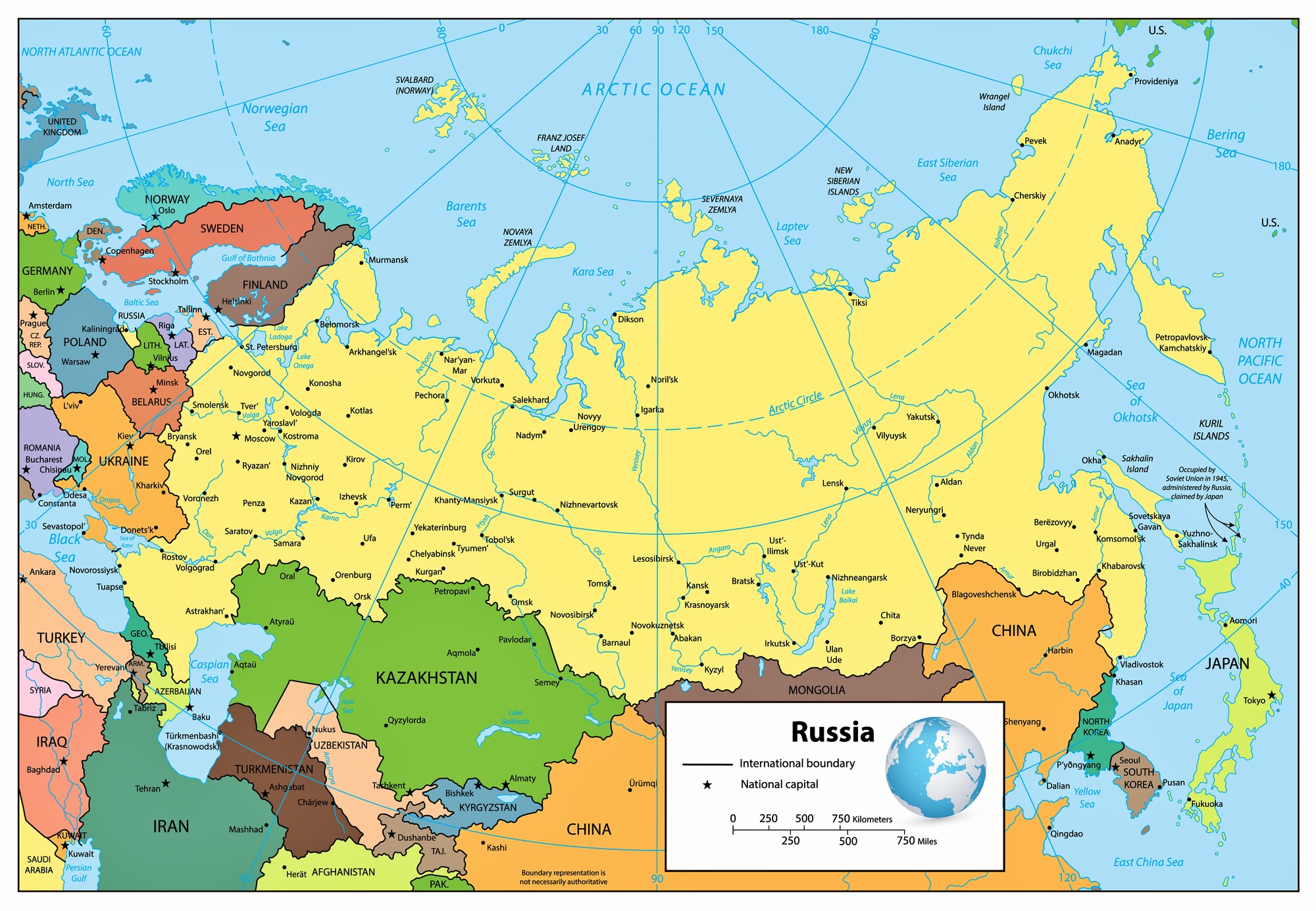
Defense Minister Shinjiro Koizumi led a group of senior Japanese officials straight to the controversial war-linked site. This happened on the 81st anniversary of Japan's World War II surrender. China and South Korea immediately fired back with fierce diplomatic rebukes.
If you wonder why a domestic ritual in Tokyo triggers international outrage year after year, you have to look past the political theater. Yasukuni isn't just a quiet memorial. It's a flashpoint that exposes deep, unhealed wounds from a brutal imperial past.
The Core Trigger Behind the Yasukuni Outrage
Yasukuni Shrine honors roughly 2.5 million individuals who died fighting for Japan. That list includes ordinary soldiers, nurses, and civilian workers.
The core controversy centers on 14 Class-A war criminals enshrined there in secret back in 1978. These figures were convicted by Allied tribunals for orchestrating brutal invasions and war crimes across Asia.
When sitting Japanese cabinet ministers walk onto those grounds, Beijing and Seoul don't see a personal act of mourning. They see state-sanctioned reverence for men who terrorized their countries.
China's Foreign Ministry blasted the visits as a negative move that whitewashes historical aggression. South Korea called the actions anachronistic, demanding genuine, action-backed remorse instead of empty rhetoric.
Strategic Calculations Behind the Cabinet Visits
Koizumi didn't make the trip by accident. Political actors use the shrine to shore up nationalist bases at home.
Prime Minister Sanae Takaichi opted out of a physical visit this year, likely trying to manage severe economic pressures and tense maritime disputes with Beijing. Even so, she still sent a ritual cash offering through party intermediaries.
This creates a calculated division of labor within the ruling Liberal Democratic Party. The prime minister maintains plausible deniability to keep foreign trade afloat, while cabinet ministers like Koizumi and Economic Security Minister Kimi Onoda satisfy hardline domestic voters.
It’s a tightrope walk. Tokyo wants to project military strength and shed its post-war pacifist constraints, but it also depends heavily on regional supply chains. Every time a minister bows at Yasukuni, those economic ties take a hit.
Breaking the Cycle of Historical Grievances
Solving this diplomatic deadlock feels nearly impossible because the foundational narratives are entirely incompatible.
Tokyo frames these visits as private expressions of grief for fallen citizens. Officials argue that every nation has the right to mourn its dead.
Beijing and Seoul view the site as a shrine to fascism that glorifies colonial expansion. Until Japan either removes the convicted war criminals from the main registry or establishes a truly secular national memorial, August will remain a month of predictable diplomatic warfare.
Diplomacy requires trust. Right now, a few stone torii gates in Tokyo block any path forward.