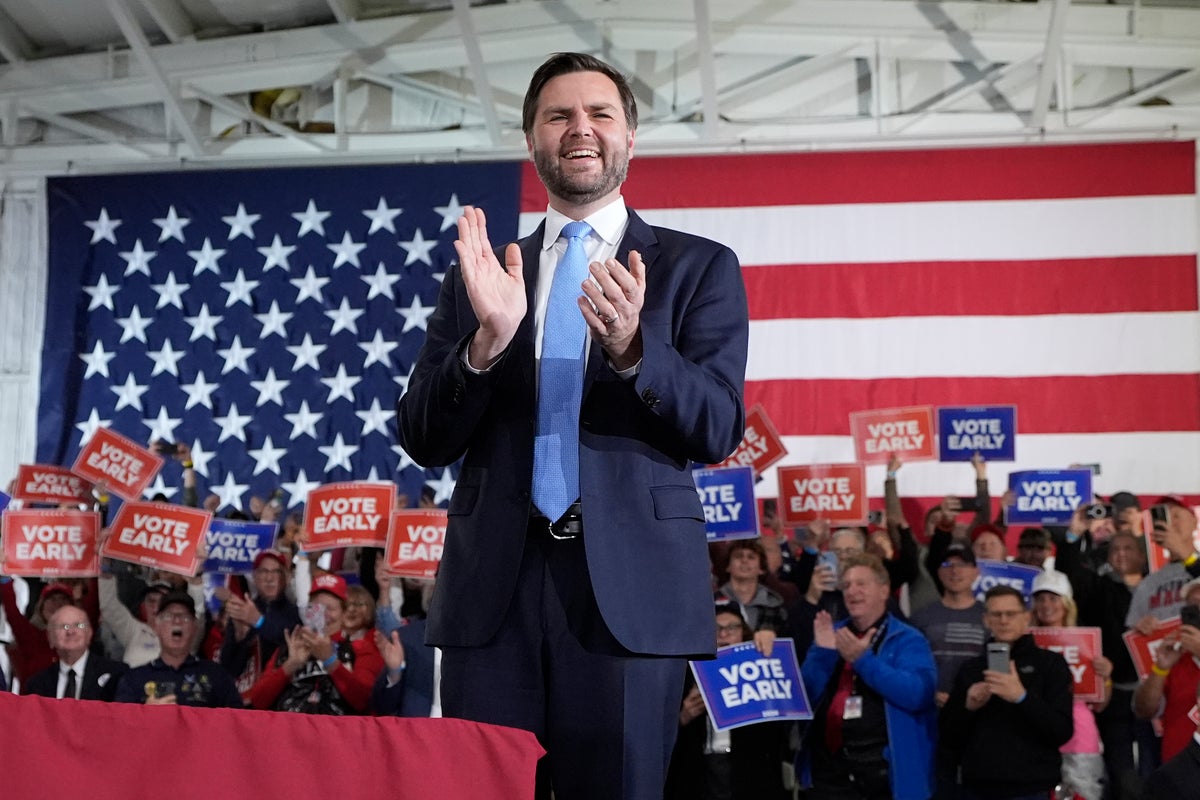
JD Vance is heading back to the Middletown steel plant that anchored his rise to national fame. If you’ve read Hillbilly Elegy, you know exactly why this location matters. It’s not just a factory. It’s the origin story of his family’s climb into the middle class. But don’t mistake this trip for a casual homecoming visit. It’s a calculated move to solidify his base while Republican candidates in Ohio scramble to hold their ground in a shifting political environment.
People ask why he keeps returning to his roots. The simple answer is that his Rust Belt identity is his most valuable currency. When Vance walks through those gates, he isn't just a Vice President. He’s the guy who lived the struggle he wrote about. By tying the continued operation of the Cleveland-Cliffs Middletown Works directly to Trump-era economic policy, he’s creating a narrative that his political movement is the only thing keeping these towns afloat.
The Middletown effect
Middletown is complicated. Vance famously painted a gritty portrait of it in his memoir, highlighting addiction, family instability, and the "Middletucky" identity. Some locals felt stung by that depiction. Yet, he still commands significant loyalty there. When Trump and Vance carried the area with over 60% of the vote in 2024, it proved that his brand of populism resonates far more than the grievances of his critics.
He’s showing up with Energy Secretary Chris Wright. That’s not an accident. They want to frame the conversation around industrial output and energy independence. It’s a message that ignores the nuances of the regional economy and focuses entirely on the pride of production. He knows that voters here want to hear that the steel they produce still matters to the global market.
The bigger picture for Ohio Republicans
Behind the scenes, things look a bit different. While the state has turned deep red, Ohio Republicans are sweating over specific, high-stakes races. You’ve got the Senate seat—previously held by Vance himself—now being defended by Jon Husted. Husted is facing a tough fight against Sherrod Brown.
The local chatter isn’t just about national issues. It’s about the tangible, localized frustrations that can sink a campaign. Take the recent panic over data centers. The National Republican Senatorial Committee has raised alarms that voter pushback on these developments is creating genuine vulnerability for incumbents. When you add that to the governor’s race, where Vivek Ramaswamy is battling Amy Acton, you see a party that is definitely not taking its dominance for granted.
Vance is the star power meant to provide a buffer against these anxieties. He’s the bridge between the high-level policy of the current administration and the blue-collar frustration on the ground.
Why this strategy is risky
Politicians often lean on nostalgia, but it’s a double-edged sword. If you emphasize your connection to a town, you become accountable for what happens there. If the local economy stutters, or if the specific policy promises don't materialize in ways that feel real to a worker on the shop floor, the backlash is personal.
Vance is betting that his personal story—the grandfather who worked for 40 years, the pride of seeing American-made steel on the road—is stronger than any specific local policy failure. He’s selling an identity. For many, that’s enough. For those who are tired of the same cycle of promises, it might not be.
What to watch next
Keep an eye on how the local campaign messaging shifts after this stop. If the focus remains on steel and energy, you’ll know the GOP is leaning heavily into the economic anxiety play. If they start pivoting toward social issues or attacking local infrastructure, it means they are feeling the pressure of those tighter-than-expected races.
Don't wait for the official press releases to tell you how the visit went. Watch how the local organizers in Middletown respond on social media and in town halls. That’s where you’ll find the real pulse of the movement. If the crowds turn out, the branding works. If the attendance is lukewarm, the nostalgia factor might finally be losing its edge.
Focus on the local election results in Ohio this November. That’s the only metric that truly measures whether this brand of populism has lasting power or if it’s just a fading echo of a memoir published years ago. Vote with your eyes open, watch the local impact of these policies, and don't let the rhetoric blind you to the economic reality in your own neighborhood.