When a three-year-old child sat on an ancient African throne back in 1995, the world watched out of sheer curiosity. King Oyo Nyimba Kabamba Iguru Rukidi IV became an international headline almost overnight. He held the Guinness World Record as the youngest reigning monarch on earth. But when he passed away at just thirty-four years old in August 2026, the reaction across Uganda and beyond was anything but a mere novelty act. It was genuine grief for a man who spent his entire life trying to bridge ancient royal heritage with the stark realities of modern youth.
You probably missed the news unless you follow East African politics closely. The Tooro Kingdom announced his sudden death after he fell critically ill while receiving medical treatment in the United States. Rumors swirled on social media for hours before Prime Minister Calvin Armstrong Rwomiire Akiiki confirmed the worst at around 10:00 p.m. on a Thursday night. Uganda was stunned. Many citizens didn't even know he had been battling serious health issues abroad.
Growing Up in the Public Eye
Most children learn to ride bikes and play schoolyard games without a care in the world. King Oyo’s childhood looked entirely different. Following the sudden death of his father, Patrick David Matthew Kaboyo Olimi III, toddler Oyo was thrust into a centuries-old institution. He wore custom-made royal robes, sat upon a massive leopard-skin throne, and underwent complex coronation rituals while barely old enough to understand what was happening.
Because he was a child, a regency council had to step in. His mother, Queen Best Kemigisa, alongside high-ranking government officials and figures like Uganda's longtime president Yoweri Museveni, managed the kingdom's day-to-day affairs. He didn't assume full administrative control until his eighteenth birthday in April 2010.
That unique upbringing shaped everything he did later in life. He wasn't just a figurehead hiding behind palace walls. He became a visible advocate for health, climate change initiatives, and youth empowerment. He understood his generation's struggles because he shared them. He grew up right alongside the millions of young Ugandans trying to navigate a changing economic landscape.
The Real Power of Traditional Kingdoms in Modern Uganda
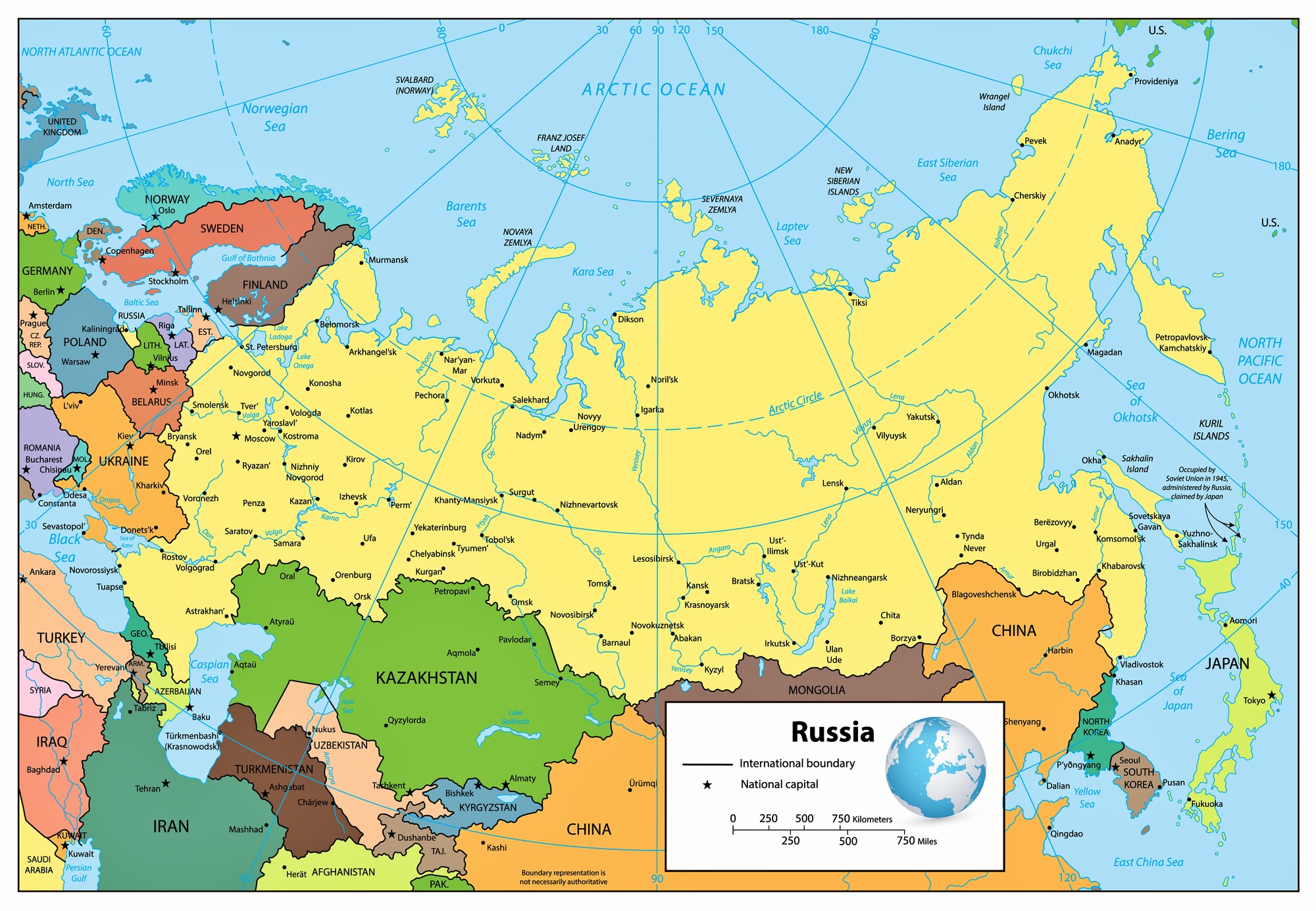
If you look at Uganda through a Western political lens, you might wonder why a king matters at all. Uganda functions as a republic with an elected president and a functioning parliament. Traditional kingdoms like Tooro, located in western Uganda near the border with the Democratic Republic of Congo, hold zero legal political power. They are barred by law from engaging in partisan politics.
Yet, their cultural pull remains immense.
Tooro boasts a history stretching back over two hundred years, commanding the loyalty and identity of more than two million Batooro people. When political leaders wanted to connect with rural communities, they sought the backing of traditional monarchs. King Oyo acted as a cultural anchor. He preserved local heritage, settled community disputes through moral authority, and gave his people a distinct sense of pride.
His reign also drew bizarre global friendships. During his youth, Libyan leader Muammar Gaddafi took a strong interest in the Tooro royal family, providing financial and diplomatic support for years. King Oyo navigated these strange geopolitical crossovers with quiet diplomacy, rarely seeking unnecessary drama. He grew into a private, reserved adult who protected his personal life fiercely, remaining unmarried and known widely as one of the country's most eligible bachelors.
What Happens Next to the Tooro Crown?
The sudden vacuum left by a thirty-four-year-old monarch naturally sparks anxiety about institutional stability. Crown succession in ancient African kingdoms can often turn messy, breeding internal rivalries and bitter public disputes.
Tooro officials moved quickly to calm public fears. Prime Minister Akiiki assured the public that the continuity of the crown is completely secure. The late king left behind a designated prince as his heir. Kingdom customs dictate that the exact identity of the new successor won't be made public until after the official mourning period and burial rites conclude.
The immediate focus remains on honoring King Oyo's memory. His body was flown back to Uganda to lie in state at Karuziika Palace in Fort Portal, drawing thousands of mourners. Political rivals, opposition figures like Bobi Wine, and government ministers have all united in grief, dropping their usual political bickering to pay respects.
King Oyo’s life breaks the mold of traditional royalty. He was a toddler king, a global curiosity, a modern activist, and eventually, a fallen young leader whose story ended far too soon. The Tooro Kingdom now faces the heavy task of moving forward without the only monarch most of its living subjects have ever known.