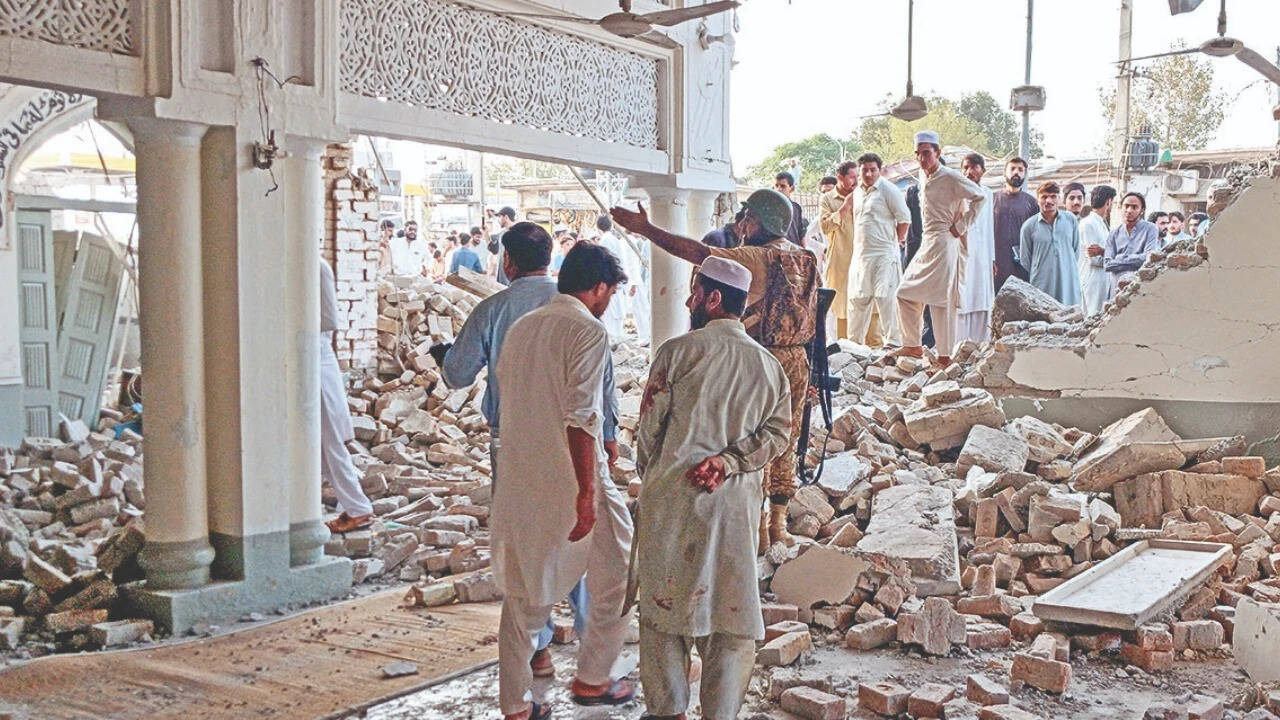
Security alerts sounded across Pakistan's northwest after a devastating vehicle-borne assault struck a mosque near the Old Police Lines in Kohat, Khyber Pakhtunkhwa. The numbers alone are brutal. At least 21 people lost their lives, including 15 police officers caught mid-prayer, while another 103 individuals sustained injuries. Yet the immediate casualty toll tells only half the story.
Investigators dropping details on the joint probe have confirmed a chilling reality: one of the suicide bombers who drove the explosives-laden vehicle into the compound was an Afghan national. As local police departments, the counter-terrorism unit, the Elite Force, and federal security agencies scramble to trace a second unidentified attacker, the geopolitical fallout is already boiling over. Building on this theme, you can also read: Why Cuba Keeps Going Dark And What The Headlines Miss.
Cross-Border Militancy and the Islamabad-Kabul Friction
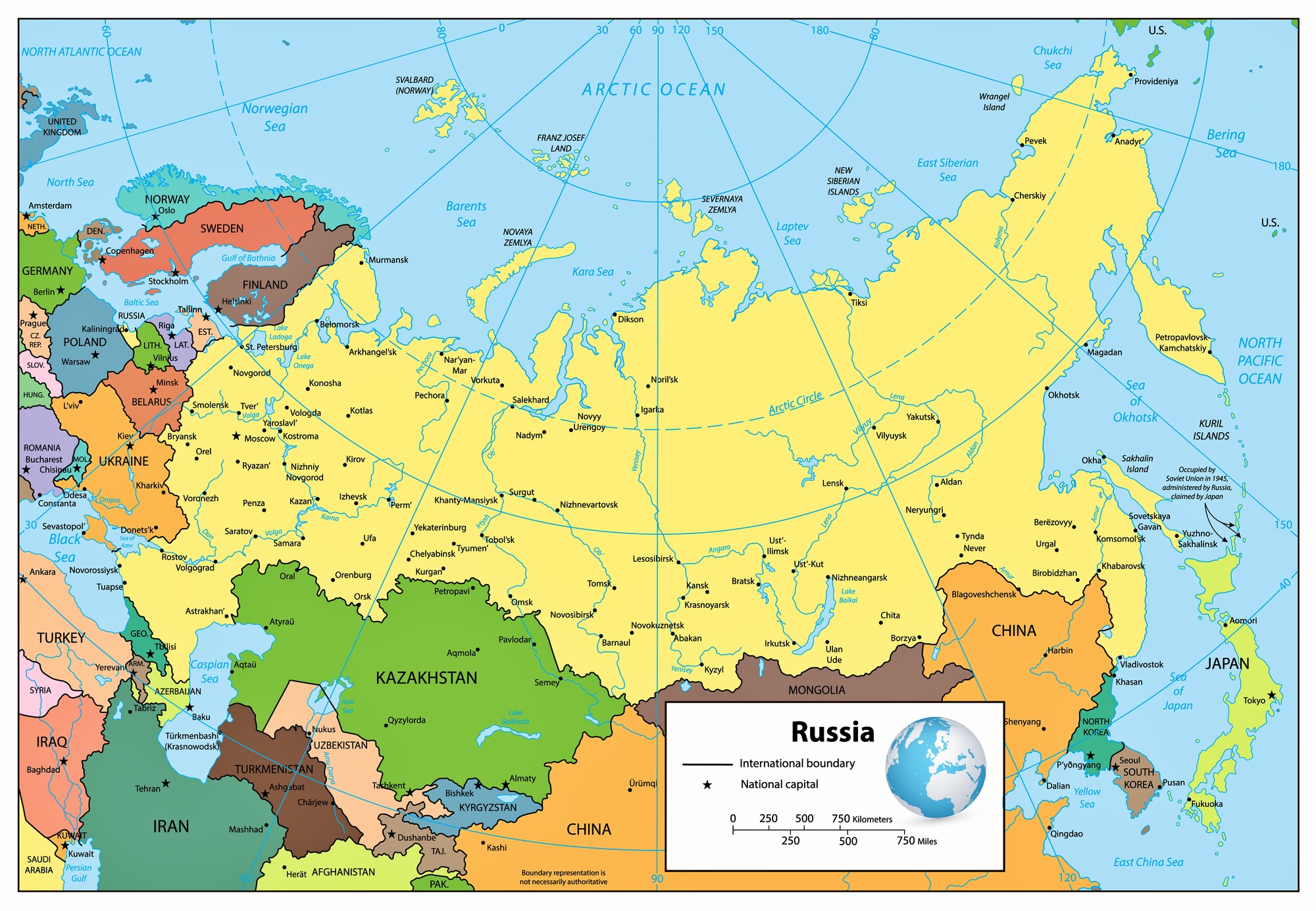
If you've followed regional security over the past few years, you know this latest blast isn't happening in a vacuum. Islamabad has repeatedly pointed a finger at Kabul, accusing the Afghan Taliban of turning a blind eye to cross-border sanctuaries. Pakistani officials maintain that groups operating from Afghanistan, notably elements aligned with the Tehreek-e-Taliban Pakistan (TTP), use safe havens across the Durand Line to stage devastating attacks against local security infrastructure.
The Afghan Taliban denies these allegations, arguing that domestic security inside Pakistan is an internal administrative failure rather than a cross-border export. But public denials don't stop the bloodshed. When bombers cross borders with impunity, security pacts break down, and diplomatic ties hit a freezing point. Experts at USA.gov have also weighed in on this matter.
The Coalition Claiming Responsibility
Responsibility for the Kohat carnage was claimed by Ittehad-ul-Mujahideen Pakistan. If that name sounds unfamiliar, it's because the alliance is a relatively new coalition formed just last April, bringing together splinter factions like the Hafiz Gul Bahadur Group, Harakat Inqilab-e-Islami Pakistan, and Lashkar-e-Islam.
These outfits know how to exploit local terrain and security gaps. Targeting police facilities and a mosque during congregational prayers is a calculated move designed to maximize fear, fracture morale among law enforcement personnel, and signal that no fortified zone is entirely safe.
What Happens Next on the Ground
Identifying an Afghan national among the attackers gives federal authorities concrete evidence to press diplomatic channels, but it also increases pressure on domestic policymakers. Public anger is mounting over how heavily fortified zones continue to be breached by vehicle-borne explosives.
Expect harsher border controls, intensified crackdowns on undocumented migrants, and increased military sweeps across Khyber Pakhtunkhwa's volatile districts in the coming weeks. The strategy relies on cutting off local logistics and urban support networks for the attackers, but until intelligence sharing and border management improve fundamentally, civilian and police casualties will remain dangerously high.