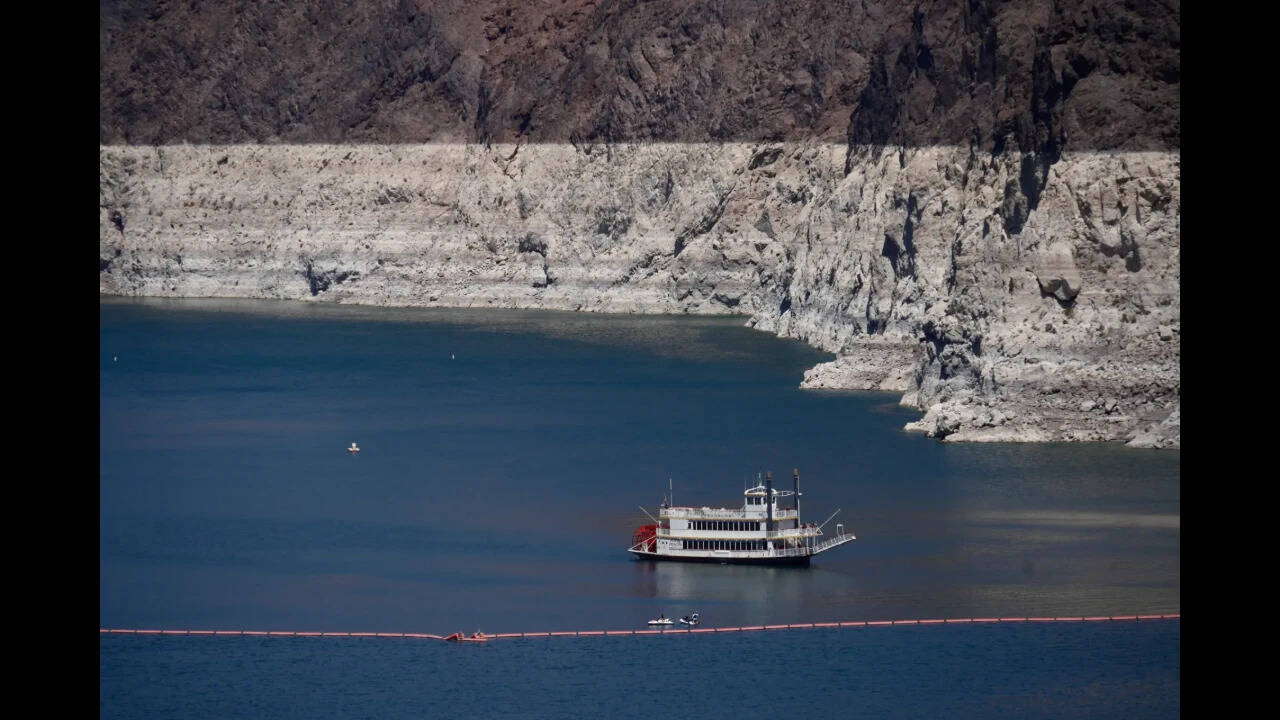
The largest reservoir in the United States just broke its own bad record. Lake Mead slipped to 1,040.4 feet above sea level, dipping past the previous historic low set back in July 2022.
If you live anywhere near the Colorado River basin, this isn't just news about a puddle shrinking. It is a loud alarm bell for forty million people.
The math behind the crisis is brutal. Decades of overuse have met a relentless multi-year drought. Throw in the worst mountain snowpack on record for the basin last winter, and you get a recipe for rapid depletion. Lake Mead and Lake Powell act as the region's shared savings account. Right now, everyone is draining the account, and nobody is making any meaningful deposits.
The illusion of infinite water
For a long time, cities like Phoenix, Las Vegas, and Los Angeles treated the Colorado River like an endless faucet. That era is over.
The river system was over-allocated from the day leaders signed the 1922 Colorado River Compact. They carved up more water than the river actually carries. Add climate change to the mix, turning the American Southwest hotter and drier, and the deficit explodes.
Water managers have warned about this for years. Most people ignored them because water still came out of the tap when they turned the handle. But reservoirs don't care about convenience. They respond strictly to physics. When snowpack fails to melt into runoff, the giant bathtub behind Hoover Dam empties out.
Hydropower under immediate pressure
It is not just about drinking water or keeping suburban lawns green. Both Lake Mead and Lake Powell drive massive hydroelectric plants that power large chunks of the Western electrical grid.
As water levels drop, the hydraulic pressure behind the dams weakens. When the water falls too low, turbines spin slower or stop entirely. Glen Canyon Dam near Lake Powell sits dangerously close to the minimum elevation required to generate electricity.
Losing that power doesn't plunge entire states into darkness overnight. Regional grids pull energy from natural gas, solar, wind, and coal. However, losing hydropower removes flexible, fast-responding energy that stabilizes the grid during scorching summer afternoons. Electricity bills go up. Smaller utility districts take the hardest hit.
What happens next for the lower basin states
Federal officials from the Bureau of Reclamation face impossible choices. Proposed guidelines point toward steep mandatory water cuts—roughly twenty percent reductions for Lower Basin states like Arizona, Nevada, and California.
Reaching agreements on who takes those cuts has turned into a political knife fight. Agricultural districts, which consume the lion's share of the river's water for crops like alfalfa and cotton, argue that cutting supply ruins rural economies. Cities argue they have already conserved everything they can.
Meanwhile, nature refuses to negotiate.
The path forward for water consumers
Waiting for a miracle winter is a terrible strategy. Communities across the Southwest are learning to adapt through mandatory conservation, turf removal, wastewater recycling, and stricter commercial building codes.
If you own property, manage a business, or farm in the region, banking on historical weather patterns is a losing bet. The new normal is defined by scarcity.
Protecting what remains of the Colorado River system requires permanent behavior changes, not temporary emergency measures. The water crisis is no longer a future prediction. It is happening right now at the edge of a concrete dam in Nevada.