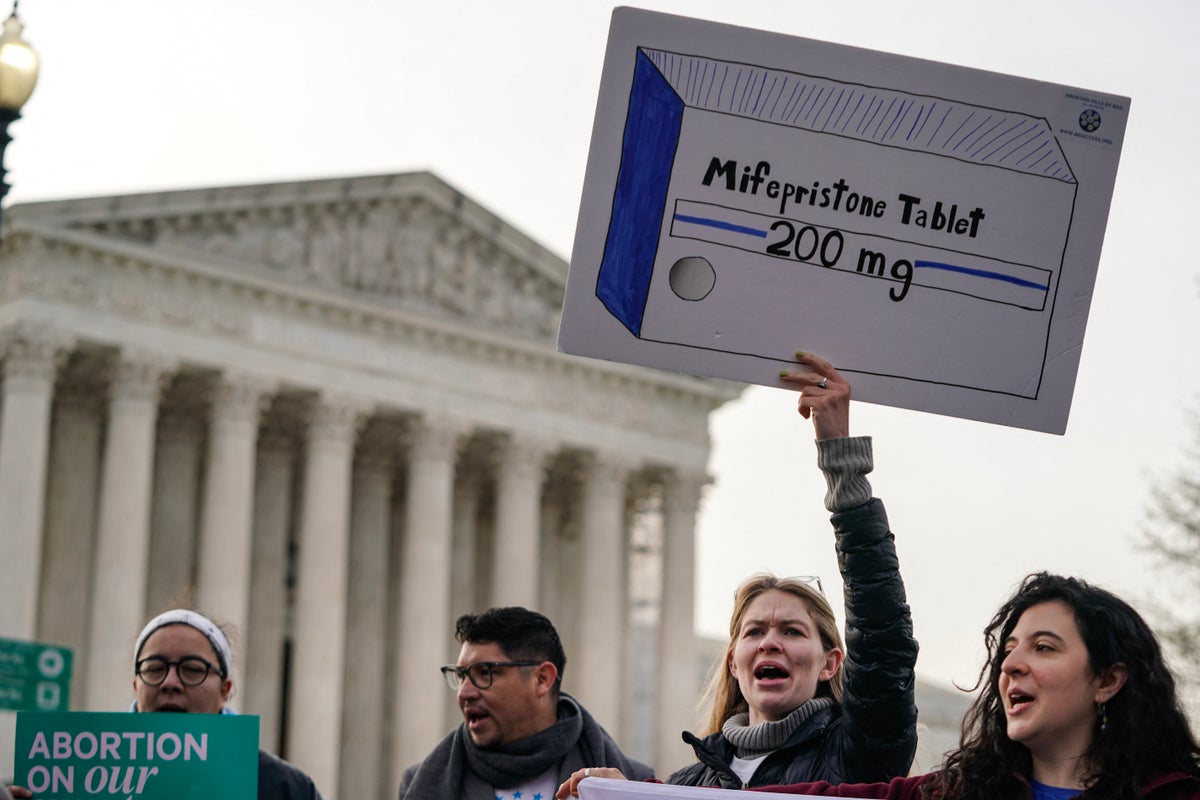
A federal court in Virginia just called out the Food and Drug Administration for burdening abortion access with useless red tape.
On July 24, 2026, U.S. District Judge Robert Ballou ruled that the FDA violated federal administrative law when it kept restrictive certification rules on mifepristone back in 2023. For years, clinicians and reproductive health advocates argued these extra administrative hurdles did nothing to improve patient safety. Now, a federal judge agrees.
The decision strikes right at the heart of how medication abortion is regulated in America. It highlights a frustrating paradox in federal health policy. While science repeatedly shows mifepristone is safer than common over-the-counter drugs like penicillin or Tylenol, regulators still treat it like a radioactive substance.
If you want to understand where the legal fight over reproductive healthcare is actually heading, you have to look beyond the political soundbites and focus on administrative law. Here is what actually happened in court, why it matters today, and what comes next.
What the Virginia Federal Judge Actually Decided
The lawsuit was originally brought in 2023 by healthcare providers in Virginia, Kansas, and Montana. Led by Whole Woman's Health Alliance, these clinics were exhausted by the endless bureaucratic hoops they had to jump through just to prescribe a medication that has been FDA-approved for more than two decades.
They targeted specific FDA requirements known as Risk Evaluation and Mitigation Strategies. Under these 2023 rules, doctors had to complete specialized paperwork to become certified prescribers. Pharmacies had to complete an arduous certification process simply to dispense the pills. Patients and providers had to sign a formal agreement acknowledging medical risks before a single dose could be given.
Judge Ballou ruled that the FDA failed to provide a rational explanation for keeping those rules. Under the Administrative Procedure Act, federal agencies cannot just invent or maintain rules on a whim. They must present real data that justifies the burden placed on the public. The court found that the FDA did not show how these extra paperwork requirements prevented any real danger.
"The 2023 REMS modification is unlawful and must be remanded to the FDA for review," Judge Ballou wrote in his decision.
Instead of immediately throwing out the regulations entirely, the judge sent the rules back to the agency for a full re-evaluation. That means the rules remain on the books for now while regulators go back to the drawing board. But the legal precedent is huge.
Why Excessive FDA Paperwork Hurts Real Patients
The debate over medication abortion usually focuses on state bans and ideological warfare. What gets lost in those headlines is the daily operational reality for healthcare providers.
When the FDA requires special certification for pharmacies and clinicians, it creates immediate bottlenecks. Most retail pharmacies don't bother going through the bureaucratic process. That leaves vast geographic areas without a single local pharmacy willing or able to stock mifepristone.
Patients are forced to travel hours across state lines or wait days for mail order deliveries. In early pregnancy care, timing is everything. A delay of three or four days can mean the difference between taking a pill safely at home or needing a surgical procedure.
Amy Hagstrom Miller, president and CEO of Whole Woman's Health Alliance, made this clear after the ruling. She noted that clinic staff spend hundreds of hours managing redundant paperwork instead of spending that time face-to-face with patients. The regulations serve no medical purpose; they only create friction.
Consider the actual statistics on mifepristone safety:
- Over 6 million people in the United States have used mifepristone since its initial approval in 2000.
- Complication rates leading to hospitalization are under 0.3 percent.
- The fatality rate associated with mifepristone is roughly 0.0005 percent, making it statistically safer than taking aspirin or getting a wisdom tooth pulled.
When a drug carries that kind of safety track record, imposing extra regulatory barriers is not about safety. It is political cowardice disguised as medical caution.
A Pattern of Courts Rejecting Arbitrary FDA Rules
This Virginia decision did not happen in a vacuum. It follows a similar ruling out of Hawaii where another federal judge found that FDA restrictions on medication abortion lacked scientific grounding under federal law.
For decades, the FDA operated under the assumption that its medical decisions were largely immune to court challenge. That changed radically after the Supreme Court overturned Roe v. Wade. Suddenly, advocacy groups from both sides of the issue started using administrative law to pressure the agency.
Anti-abortion groups tried to get federal judges in Texas to revoke the drug's approval entirely. On the flip side, reproductive rights groups sued to strip away remaining regulatory restrictions that prevent doctors from treating mifepristone like any other safe prescription drug.
Federal judges are now forcing the FDA to show its work. If the agency wants to restrict access to a medication, it has to prove that the restriction actually protects health. It cannot rely on administrative inertia or political compromise.
How This Ruling Intersects With Broader Politics
The court order remanding these rules back to the FDA puts federal health officials in an awkward spot.
The FDA is currently conducting a broader review of medication abortion policies. Conservative politicians and anti-abortion organizations are putting heavy pressure on federal regulators to institute strict nationwide rollbacks. Meanwhile, medical organizations like the American College of Obstetricians and Gynecologists (ACOG) and the American Medical Association (AMA) have repeatedly stated that all remaining REMS restrictions on mifepristone should be scrapped entirely.
Judicial decisions like Judge Ballou's create a clear paper trail. If the FDA tries to invent new hurdles or maintain old ones without concrete data, clinics now have a proven template to sue and win in federal court. The law requires evidence, not opinion.
Understanding the Difference Between Federal FDA Rules and State Bans
It is crucial to keep two separate legal concepts straight:
- FDA Federal Regulations: These govern what the drug manufacturer can put on the label, who can dispense the drug nationally, and what paperwork is required nationwide.
- State Laws and Bans: These are state-level bans or restrictions passed by state legislatures that criminalize abortion care within state borders.
Judge Ballou's ruling targets federal FDA rules. It does not automatically overturn state-level bans in Texas, Idaho, or Alabama. However, in states where abortion remains legal, removing federal certification burdens makes it vastly easier for community clinics, primary care doctors, and telehealth providers to deliver care without unnecessary administrative headaches.
Telehealth providers stand to gain the most. When doctor certification forms and physical pharmacy restrictions are cleared out, mail-order medication delivery becomes smoother, faster, and more affordable.
Practical Takeaways for Healthcare Providers and Patients
While the FDA reviews its policies under court order, here is what you need to know about where things stand right now:
- For Patients: Mifepristone remains legal and accessible in states where reproductive healthcare is protected. The Virginia ruling does not pause current drug availability or alter standard clinical guidelines.
- For Prescribers: Current certification rules remain technically active while the FDA completes its court-ordered review, but the legal framework holding those restrictions up is crumbling fast.
- For Advocates: Administrative legal challenges are proving to be one of the most effective tools to dismantle unnecessary healthcare restrictions. Expect more lawsuits using the Administrative Procedure Act against agencies that choose political expediency over medical science.
Actionable Steps to Stay Ahead of Changing Drug Regulations
- Track State vs. Federal Changes: Follow legal updates from trusted organizations like the Center for Reproductive Rights, the ACLU, or the Guttmacher Institute to see how federal rulings impact your specific state.
- Review Telehealth Guidelines: If you are seeking or offering care, check local regulations regarding asynchronous telehealth consultations and mail-order pharmacy distribution.
- Audit Administrative Workflows: Medical practice managers should monitor FDA policy announcements closely over the coming months to adjust compliance protocols the moment certification paperwork requirements are updated.
Federal courts are finally holding regulators accountable to actual science. When agencies treat safe medicine like a liability without scientific evidence, they lose in court.