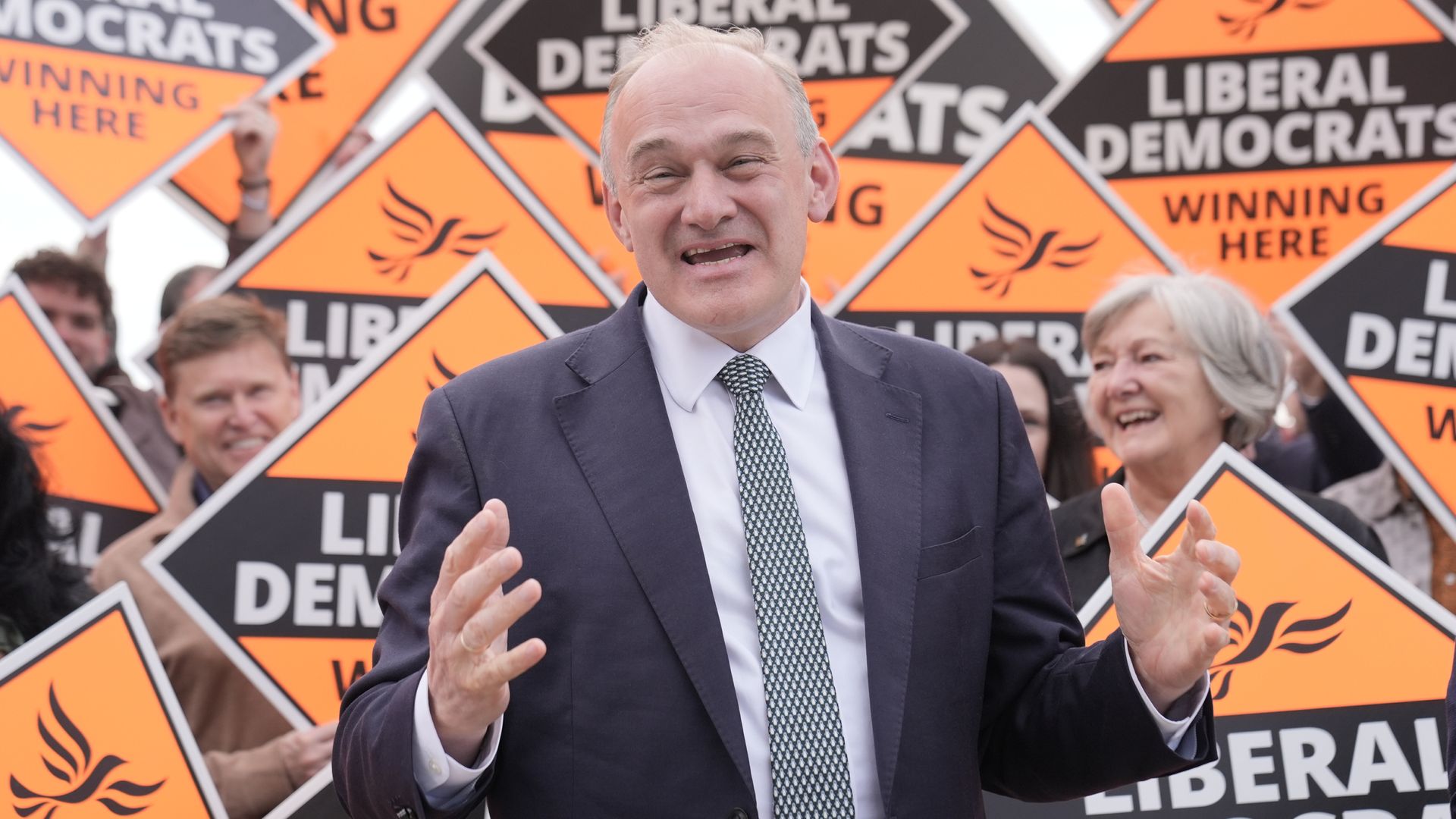
Political parties love to coast on momentum until the numbers turn ugly. Right now, the Liberal Democrats find themselves staring down a polling slump that should be ringing alarm bells across party headquarters. With Sir Ed Davey holding down the fort as the longest-serving national party leader following recent political shifts, the party's vote share has slipped from over 12% down closer to 10.3%.
Let's look past the spin. The central question isn't just whether the Lib Dems are holding firm, but whether their current game plan is actively failing them in a fractured political landscape.
The Squeeze From a Resurgent Labour and Shifting Tides
YouGov polling numbers tell a stark story. Back in 2025, the party regularly posted shares above 15 percent. Those days are gone. Part of this decline comes from a resurgent Labour party under Prime Minister Andy Burnham, which has successfully squeezed the progressive vote in key constituencies.
Yet, blaming the competition is too easy. The Lib Dems were losing steam before Burnham even took the reins. Mid-term struggles are a classic rite of passage for third parties, but today's media environment is far more polarized. Voters are looking for bold definitions, and vagueness doesn't win elections outside of a tightly focused short campaign.
Ed Davey's Leadership Conundrum
Leadership ratings reveal a deeper vulnerability. On average, Ed Davey’s net approval sits flat at -6, with roughly 21 percent approving and 28 percent disapproving.
Optimists argue that avoiding deep unpopularity while other party leaders saw their ratings crater is a win. They point out that past Lib Dem leaders like Paddy Ashdown, Charles Kennedy, and Nick Clegg relied on short campaigns to introduce themselves and surge ahead. Davey pulled off a similar trick in 2024.
Here is the catch: avoiding outright hatred isn't the same as inspiring devotion. Nearly half of voters cannot even offer an opinion on Davey after years in the top job. Low name recognition and high "don't know" figures mean the party lacks a commanding national voice when it counts most.
The Head-to-Head Problem With the Conservatives
The real test for the Liberal Democrats isn't how they stack up against minor parties or radical firebrands. Their bread and butter has always been fighting and winning seats directly against the Conservatives.
Head-to-head matchup data exposes a worrying trend. A year ago, Davey held a clear edge over Conservative leader Kemi Badenoch in preferred prime minister polls. Today, that advantage has flipped or evaporated, with Davey trailing closely behind the Tory leader. Because Conservative-held or targeted seats are the primary battleground for Lib Dem survival, losing ground against Badenoch undercuts their entire electoral strategy.
What Needs to Change
If the Liberal Democrats want to stop coasting and start growing, they have to abandon the comfort of low-profile opposition.
- Sharpen the Policy Edge: Vague positioning might keep everyone happy, but it fails to cut through an overcrowded news cycle. Voters need clear, unmistakable reasons to switch their allegiance.
- Rethink the Local-National Bridge: Relying purely on local council successes and high-visibility stunts is a short-term sugar rush. It must translate into national authority.
- Confront the Tory Threat Directly: Rebuilding dominance in traditional southern stronghold seats requires taking the fight straight to the Conservatives with sharp, credible alternatives on local services and taxation.
Waiting for a short campaign miracle is a gamble. The Lib Dems need a course correction before the choice is taken out of their hands entirely.