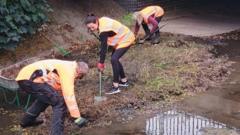
Heavy rains hit, and local waterways overflow. It is a familiar cycle for many riverside communities. Municipal budgets stretch thin, leaving local brooks and streams choked with fallen branches, plastic waste, and accumulated silt. When government agencies cannot keep up with routine maintenance, everyday residents step up.
Across the country, grassroots community groups are taking matters into their own hands. Armed with heavy-duty gloves, grabbers, and high-visibility vests, these local volunteers clear local brooks to drastically reduce flood risks before seasonal storms arrive.
If you think a few people pulling trash out of a shallow stream won't make a difference, you're missing the bigger picture of how urban drainage actually works.
Why Choked Waterways Spell Disaster
Water needs a clear path. When a local brook fills up with shopping carts, discarded timber, and dense autumn leaf piles, it creates an invisible trap.
I have walked along urban streams where a single fallen tree branch catches floating debris, forming a natural dam within hours. Once that bottleneck forms, rising water has nowhere to go except outward.
Streets flood. Basements fill with water. Yards turn into muddy swamps.
Municipal maintenance crews are usually reactive rather than proactive. They respond after a flood warning triggers or emergency calls start rolling in. By then, it is too late to prevent property damage.
Volunteer-led clearing initiatives shift the timeline. By removing obstructions during dry months, communities restore natural flow capacity long before heavy weather hits.
The Mechanics of Community-Led Stream Restoration
Clearing a brook isn't just about tossing trash bags into a municipal bin. Effective community action requires coordination, safety protocols, and a basic understanding of local ecology.
Most successful local groups partner with regional watershed authorities or environmental agencies. These partnerships ensure that volunteers don't accidentally disrupt local wildlife habitats or destabilize riverbanks.
When you pull debris out of a waterway, you have to follow a few ground rules:
- Target non-organic trash and hazardous artificial items first.
- Keep natural gravel and stable root structures intact to prevent erosion.
- Never attempt to remove heavy structural blockages alone or without heavy machinery.
- Coordinate proper disposal sites for retrieved materials with local waste management.
Leaving certain natural elements alone matters just as much as clearing out the junk. A healthy brook needs some submerged wood to support fish populations, provided it doesn't span the entire width of the channel and trap debris.
Beyond Flood Control: The Hidden Benefits
Preventing water from spilling into residential streets is the primary goal, but these grassroots efforts trigger a cascade of positive side effects.
Water quality improves immediately. Removing rotting organic matter and plastics stops toxins from leaching into the local water table.
Neighborhood cohesion strengthens, too. When neighbors spend a Saturday morning knee-deep in mud together, hauling old tires out of a local stream, local bonds form in a way they never would at a town hall meeting.
Property values benefit as well. Nobody wants to buy a home next to an unmanaged, trash-filled ditch. Turning an eyesore into a clean, flowing natural amenity changes the entire character of a neighborhood.
How to Start a Brook Clearing Initiative in Your Town
You don't need a government grant to protect your neighborhood from rising waters. You just need initiative and a few willing participants.
Start by identifying the trouble spots along your local waterways. Look for areas where culverts narrow or where shopping carts and branches regularly accumulate.
Next, check local land ownership laws. You cannot trespass on private property to clear a stream without permission. Reach out to your local council or environmental agency to secure the necessary permits and arrange for waste pickup after your cleanup event.
Get the word out through local social media groups or community boards. Provide clear safety guidelines, mandate sturdy footwear, and supply basic equipment like heavy-duty trash bags and grabbers.
Take charge of your local watershed before the next storm forces you to pump water out of your basement.