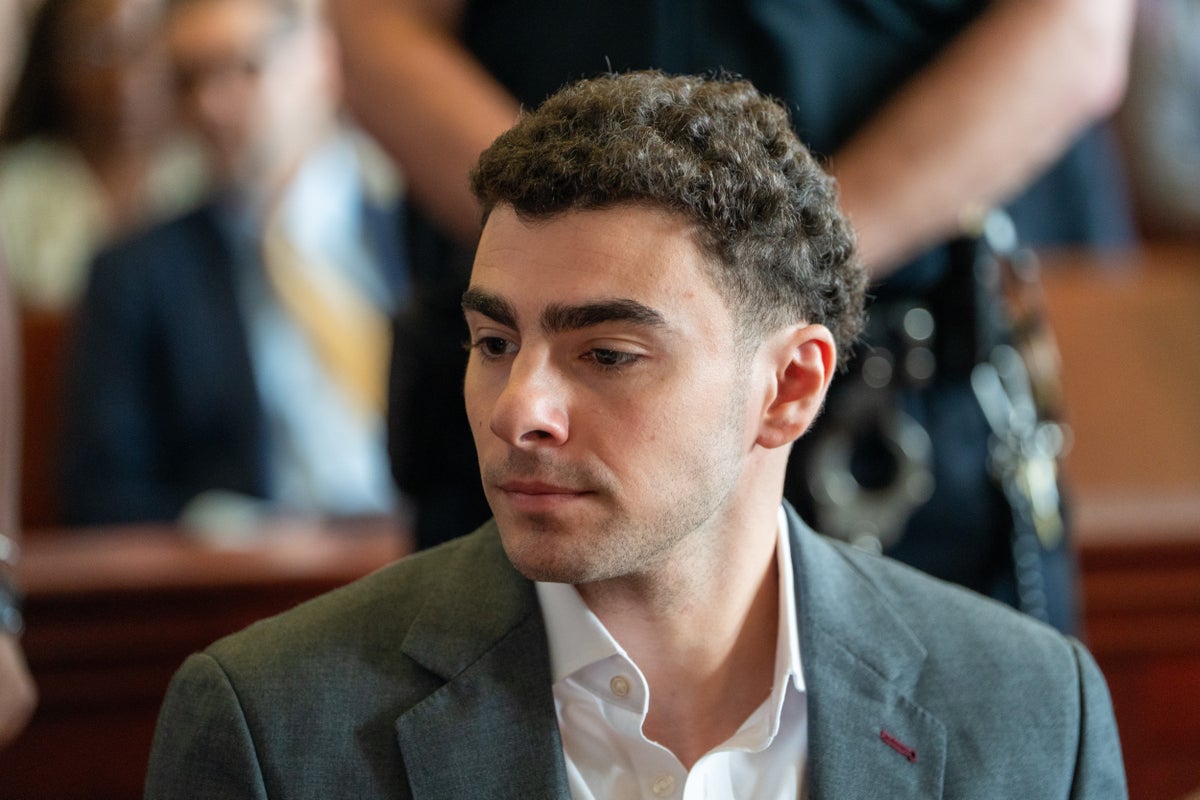
When a criminal trial transforms into an international media spectacle, the ordinary rules of court management fly out the window. New York State Justice Gregory Carro made that reality crystal clear during a recent pretrial hearing, ruling that the jury in the upcoming murder trial of Luigi Mangione will remain entirely anonymous.
Mangione faces state-level murder charges for the December 2024 shooting death of UnitedHealthcare CEO Brian Thompson outside a Manhattan hotel. Because the case sits at the explosive intersection of corporate healthcare anger, wealth disparity, and intense digital fascination, protecting the identities of the people sitting in the box isn't just a precaution. It is a absolute necessity to keep the judicial process from collapsing under the weight of public pressure.
Inside Justice Carro's Anonymous Jury Order
During the Manhattan courtroom hearing, Justice Carro laid down the ground rules as the September 8 trial date rapidly approaches. Alongside keeping juror names, addresses, and workplaces shielded from the public and media, the court addressed severe capacity constraints by setting up an overflow room for journalists and spectators. Nearly ninety news organizations have requested credentials, turning a standard state murder trial into a massive logistical puzzle.
An anonymous jury is rare in standard criminal proceedings. Judges typically reserve the measure for organized crime trials or mob prosecutions where physical safety and witness tampering are immediate threats. But the digital age creates a different kind of danger. When a defendant attracts viral internet fan clubs and widespread public sympathy—with some social media users casting him as an anti-corporate folk hero—ordinary citizens selected for jury duty face unprecedented psychological pressure.
The Digital Pressure Cooker of Modern Trials
Think about what happens when a trial breaks records for online engagement. Jurors no longer just walk home from the courthouse; they step back into a world saturated with hot takes, TikTok breakdowns, and polarized Twitter debates.
Legal experts have noted that the unique socio-political backdrop of the Mangione case makes finding impartial citizens remarkably difficult. When the victim is the head of a major health insurance conglomerate and the accused becomes a symbol of public frustration with the medical industry, jurors bring heavy emotional baggage into the room.
If public activists or aggressive content creators knew who was deciding the verdict, the risk of outside influence, harassment, or social media doxxing would skyrocket. Shielding their identities allows ordinary people to focus strictly on courtroom evidence rather than looking over their shoulders or wondering how their neighbors will judge their vote.
Managing the Public Gallery and Press Access
Courtroom space in lower Manhattan is notoriously tight. With scores of reporters, independent digital creators, and curious observers trying to get inside, Justice Carro's decision to utilize a secure overflow room attempts to balance transparency with security.
Defense attorneys and prosecutors now face the delicate task of crafting comprehensive jury questionnaires. They have to screen for hidden biases, pre-existing media consumption habits, and emotional predispositions toward either the corporate health sector or the defendant's alleged actions. With jury selection slated to kick off, both legal teams know that the hidden composition of that anonymous panel will dictate the final outcome long before the first witness takes the stand.
The legal system is built on the premise that a jury can block out the noise of the outside world. In the case of Luigi Mangione, keeping those twelve names secret is the only way to give that premise a fighting chance.