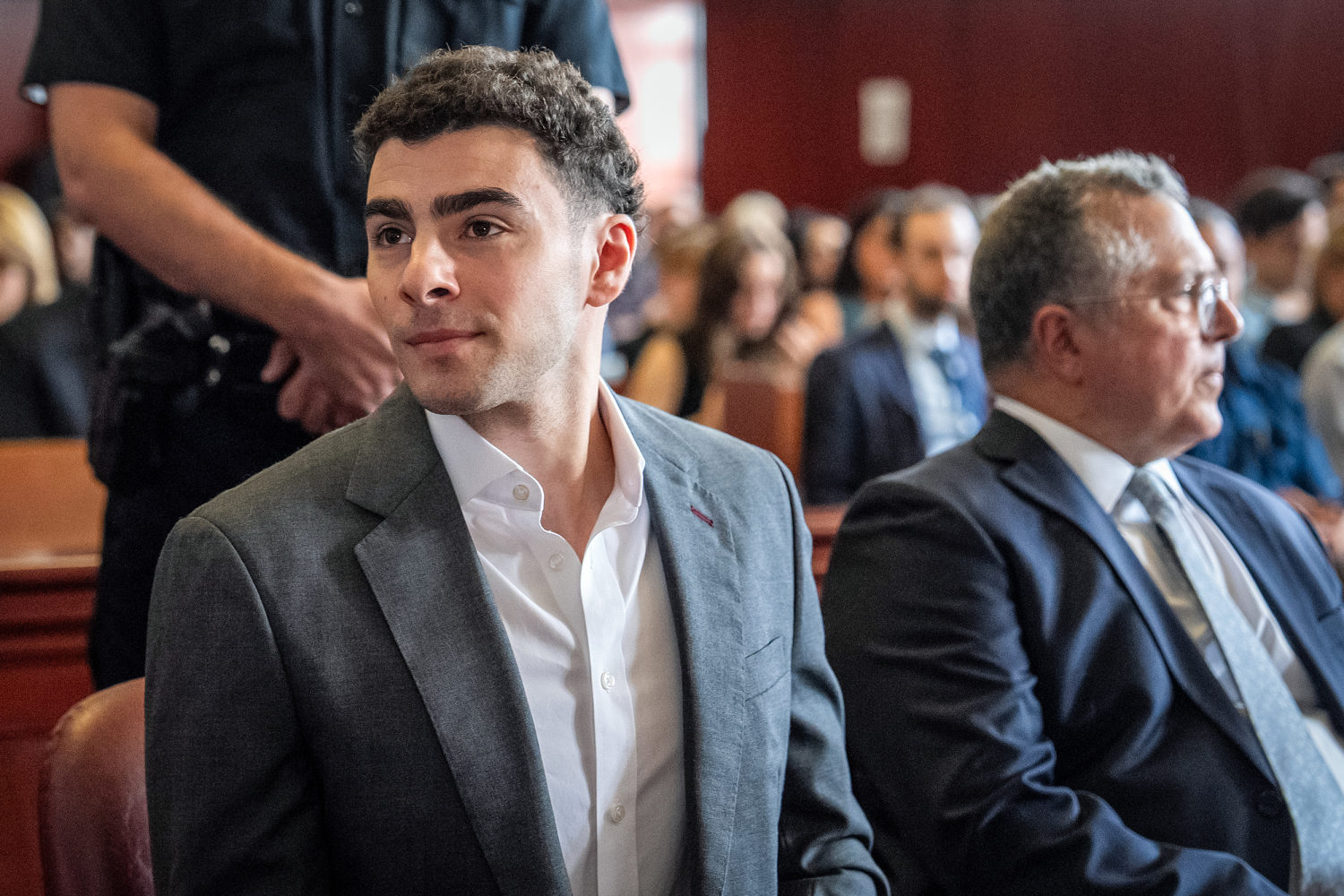
The legal battle surrounding the killing of UnitedHealthcare CEO Brian Thompson just took a sharp, unexpected turn. Luigi Mangione is headed into a Manhattan federal courtroom facing an expected change of plea, shifting the timeline of one of the most high-profile murder cases in recent memory.
If you've been following the dual track of federal and state prosecutions, you know this development throws a massive wrench into New York's upcoming state trial. Let's break down what this expected guilty plea actually means, why it caught legal observers off guard, and how it impacts the broader fight over double jeopardy.
The Federal Case and the Stalking Charges
Back in December 2024, the shooting outside a midtown Manhattan hotel shocked the country. When authorities arrested Mangione days later at an Altoona, Pennsylvania McDonald's, the narrative immediately split into separate legal arenas.
Federal prosecutors hit him with multiple counts, though a judge later tossed out the charges that carried the possibility of the death penalty. That left two core federal charges: stalking resulting in death. Mangione faces potential life imprisonment on those counts alone.
Now, defense lawyers and federal prosecutors have hastily arranged Friday's court appearance. While a last-minute change of heart remains entirely possible, multiple sources point directly to an expected guilty plea.
The State Trial Clash and Double Jeopardy
The real fireworks won't just happen in the federal docket—they bleed directly into the New York state prosecution. A separate state murder trial is scheduled to begin in just a few weeks.
Mangione's defense team has previously argued that putting him through two separate trials for the exact same underlying conduct amounts to double jeopardy. Think about it from a common-sense angle. The core allegation involves the exact same shooting. Forcing a defendant to sit through a federal trial and then a state trial creates massive legal redundancy.
Under New York law, a prior federal conviction or guilty plea can sometimes block a subsequent state prosecution for the same conduct. State prosecutors know this. They've already pushed back against any maneuvers that might short-circuit their chance to try Mangione for second-degree murder and weapons offenses in state court.
If Mangione enters a federal guilty plea, his lawyers will likely waste no time testing those double jeopardy boundaries. State prosecutors, meanwhile, will argue that the federal stalking charges and the state murder charges involve distinct legal elements that keep both cases alive.
What Happens Next
We'll know soon whether Mangione actually follows through on the plea deal or walks it back at the podium. Either way, the strategy signals a major shift in how the defense plans to handle the mountain of evidence gathered after his arrest—including the recovered notebook and the firearm found in his backpack.
Keep your eyes on the rulings that follow Friday's hearing. The outcome will dictate whether a high-stakes state trial moves forward next month or gets tied up in fierce appellate battles over constitutional protections.