Malaysia is pushing forward with plans to send nearly 1,500 Myanmar nationals back into the teeth of an active civil war. It's a heavy-handed move that ignores urgent warnings from human rights monitors and international watchdogs.
Prime Minister Anwar Ibrahim's administration finalized the framework for this initial repatriation phase. Scheduled to roll out at the end of September, the program targets individuals currently sitting in immigration detention depots. Government spokespersons insist these returns are voluntary. They claim the detainees have signed documents expressing a wish to return home, and that naval and hospital ships from Myanmar will handle the transit.
Yet, the fine print tells a much darker story. Independent agencies and human rights monitors are sounding alarms because safety guarantees from a military junta hold virtually no weight on the ground.
Why This Repatriation Stirs Intense Alarm
Let's look at the facts. Myanmar's human rights climate hasn't improved. It has cratered. The military regime is losing ground to opposition forces, relying heavily on air raids, forced conscription, and violent crackdowns. Sending anyone back into this chaos violates core principles of customary international law, specifically the principle of non-refoulement.
The United Nations refugee agency, UNHCR, has publicly stated it is not participating in Malaysia's plan. Their stance is blunt: conditions for safe, dignified, and sustainable refugee returns simply do not exist inside Myanmar right now.
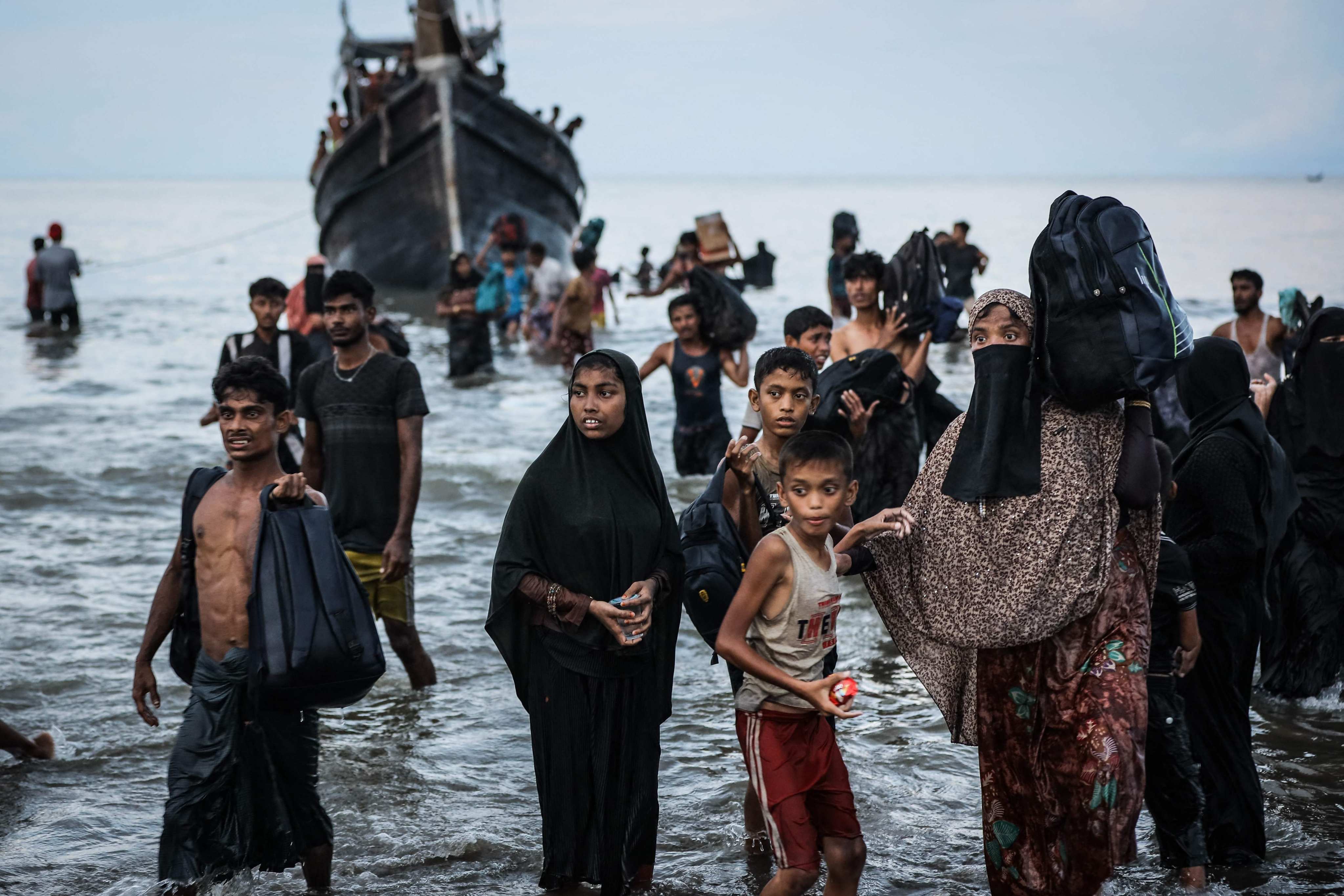
Malaysia hosts one of Southeast Asia's largest refugee communities. More than 215,000 refugees and asylum seekers are registered with the UNHCR in the country, including over 126,000 Rohingya from Myanmar. Local political pressure has grown increasingly hostile. Frustrated by a lack of international burden-sharing, domestic authorities are under heavy pressure to reduce the numbers of undocumented or detained migrants within their borders.
The Confusion Over Ethnic Breakdown and Voluntary Consent
The Malaysian government has danced around a critical question: how many of these 1,476 individuals slated for the first wave are actually ethnic Rohingya?
When the repatriation framework was first floated, officials pointed to thousands of Rohingya. But subsequent statements shifted terminology, describing the group broadly as "Myanmar nationals." This semantic shift hides whether the most vulnerable stateless minority members are being caught up in the dragnet.
True voluntary consent inside an immigration detention facility is rare. When you're locked up in overcrowded conditions with indefinite detention looming over your head, signing a paper to leave starts looking like the only way out. That isn't free choice. It's coercion under duress.
Communications Minister Fahmi Fadzil maintains that Kuala Lumpur won't proceed if lives are genuinely threatened. But rights groups argue that stepping foot back into military-controlled territory inherently places returning refugees at risk of arbitrary arrest, forced labor, or worse.
Broader Regional Fallout
This move by Malaysia doesn't happen in a vacuum. Across the Bay of Bengal, Bangladesh already hosts roughly 1.2 million Rohingya refugees in sprawling camps like Cox's Bazar, where dwindling humanitarian aid and monsoon disasters compound daily misery.
When regional neighbors like Malaysia begin deporting or "repatriating" asylum seekers, it shifts the moral baseline downward. It signals to other nations that international protection standards can be sidestepped whenever domestic political fatigue sets in.
If you are following Southeast Asian migration policy, watch the logistics at the end of September. The arrival of Myanmar naval vessels at Malaysian ports will mark a grim milestone for regional refugee rights.
Look closely at how governments handle vulnerable populations when public sentiment shifts. Protect your awareness of human rights realities by tracking independent verification reports rather than official state press releases.