The Escalating Human Cost in the Strait of Hormuz
When missile fire breaks out in critical shipping corridors, global market tickers immediately flash red. Oil prices spike, logistics experts calculate rerouting costs, and military analysts debate strategic deterrence. Yet, behind these geopolitical chess moves lies a severe human reality that gets overlooked.
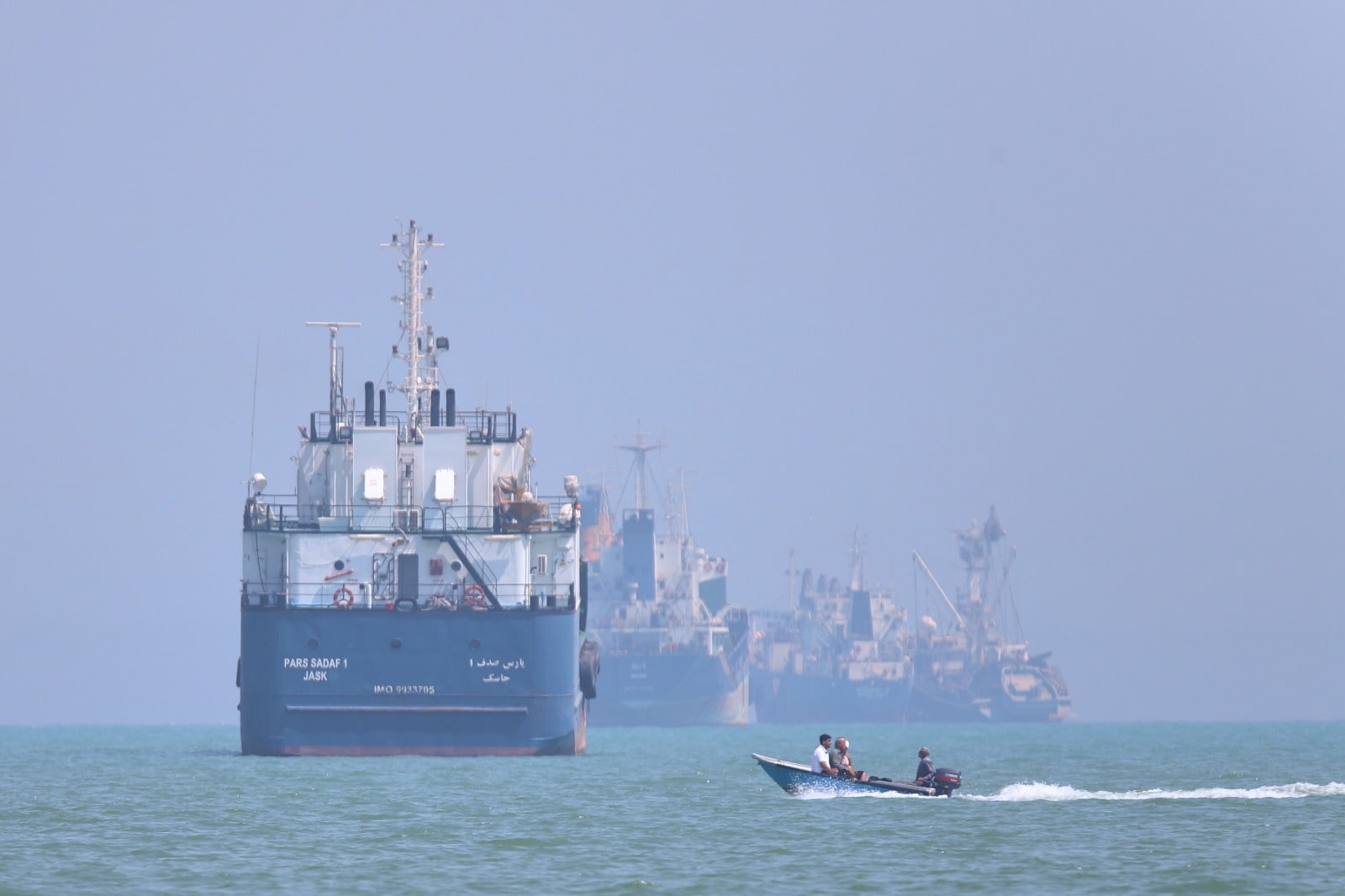
On July 14, 2026, two Iranian cruise missiles struck Emirati oil tankers, the Mombasa and Al Bahiyah, while navigating the southern shipping lane of the Strait of Hormuz within Omani territorial waters. The UAE Ministry of Defence confirmed that the attack resulted in the death of an Indian crew member aboard the Mombasa and left eight other seafarers injured, including six Indian nationals and two Ukrainians. Four of the injured suffered serious wounds as fires broke out across both vessels before being brought under control.
This wasn't an isolated incident. Just days prior, an attack on the Cyprus-flagged container ship GFS Galaxy left another Indian crew member missing. Since the outbreak of renewed military hostilities on February 28, 2026, at least 14 Indian nationals have lost their lives in the Gulf region.
While Washington and Tehran trade strikes, it's the international merchant mariners—specifically Indian seafarers—who are paying the steepest price.
Why Indian Seafarers Suffer the Greatest Risk
You might wonder why Indian crew members consistently feature so heavily in casualties throughout the Gulf crisis. It's not a coincidence; it's basic maritime demography.
India provides roughly 10% to 12% of the world's global seafaring workforce, ranking alongside the Philippines and China as a major provider of crew members for commercial shipping. When it comes to crude oil, refined petroleum, and bulk chemical transportation through the Middle East, that percentage jumps even higher.
Commercial shipping operators rely heavily on Indian officers and crew due to their extensive technical training and fluent English communication skills. As a result, when an oil tanker transits through high-risk chokepoints like Hormuz or the Bab-el-Mandeb:
- The majority of the deck hands, engine operators, and mid-level officers on board are almost certainly Indian or Filipino.
- Merchant sailors have no military training, heavy armaments, or defensive missile systems to protect themselves when target vectors lock onto their ships.
- Commercial vessels are giant, slow-moving metal targets packed with millions of barrels of volatile cargo.
When a cruise missile strikes an engine room or cargo hold, these sailors aren't collateral damage in an abstract sense—they're the workers keeping global energy supply chains running.
Economic Coercion and Maritime Piracy
The UAE Ministry of Foreign Affairs condemned the targeting of commercial shipping in no uncertain terms, calling the use of the Strait of Hormuz as a tool of "economic coercion" or "blackmail" an act of piracy.
"Targeting commercial shipping and using the Strait of Hormuz as a tool of economic coercion or blackmail constitutes an act of piracy and poses a direct threat to the stability of the region and global energy security."
— UAE Ministry of Foreign Affairs
The attack occurred against a chaotic strategic backdrop:
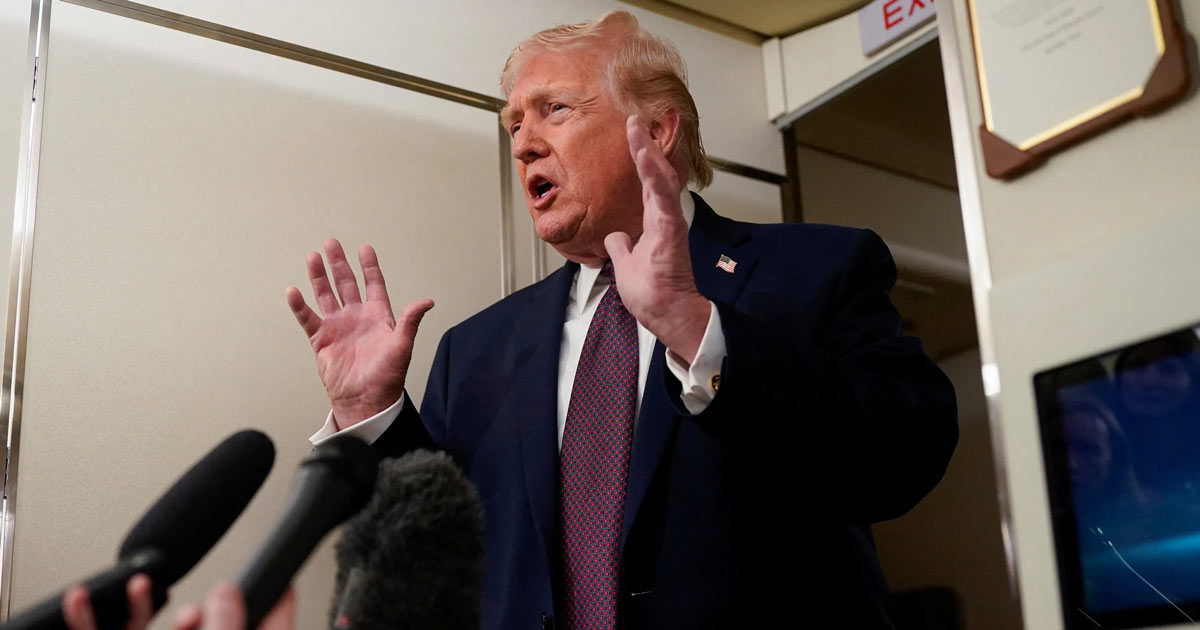
- US Naval Blockade: President Donald Trump announced the reinstatement of a naval blockade targeting Iranian shipping, while imposing a 20% cargo fee on eligible transit to cover US security operations in the region.
- CENTCOM Operations: US Central Command launched consecutive rounds of air and missile strikes on Iranian coastal surveillance, drone infrastructure, and missile sites to degrade Tehran's ability to hit commercial traffic.
- IRGC Response: Iran's Islamic Revolutionary Guard Corps warned that passing through the strait had effectively become navigating a "minefield," asserting that outside powers will not dictate terms over the waterway.
The result is a complete breakdown of maritime safety norms where merchant ships are caught squarely in the crossfire.
The Broader Impact on Global Trade and Maritime Supply Chains
Before hostilities flared up, approximately one-fifth of the world's daily petroleum consumption—more than 15 million barrels of oil worth well over $1 billion—passed through the narrow 21-mile passage of the Strait of Hormuz every single day.
The immediate economic ripple effects of these continuous strikes reach far beyond the Gulf:
- Surging Insurance Premiums: War risk insurance surcharges for vessels entering the Persian Gulf have skyrocketed, forcing shipping companies to either absorb astronomical operational costs or pass them directly to consumers.
- Route Abandonment: Major maritime carriers are delaying transits or refusing to send crews into unescorted zones, creating severe bottlenecks for crude oil, natural gas, and fertilizer exports.
- Impact on India: India imports over 80% of its crude oil requirements, a massive portion of which originates in the Gulf. Attacks on these tankers hit New Delhi twice—first by endangering its citizens, and second by threatening its domestic energy security and fertilizer supply.
Concrete Steps Needed to Protect Seafarers Immediately
Talk about high-level diplomacy and naval blockades means nothing to a sailor standing watch in an engine room in the Gulf. If international trade is to keep moving without costing more merchant lives, concrete actions must take priority right away:
- Reroute Non-Essential Transit: Shipping companies must stop sending unescorted commercial vessels into high-risk transit corridors when active missile strikes are underway.
- Implement Mandatory Maritime Escorts: Coalition naval forces operating in the Gulf must provide active radar cover and defensive escort corridors for all commercial tankers passing through Omani and Emirati waters.
- Expand Union Protection Rights: Seafarers must be granted unambiguous legal rights by global maritime unions to refuse sailing into designated high-risk conflict zones without threat of contract termination or blacklisting.
- Establish Direct Humanitarian De-escalation Channels: Flag states and crewing nations like India must establish direct diplomatic channels with regional powers to ensure merchant vessels carrying civil crews are clearly identified and excluded from target parameters.
Without these immediate safeguards, merchant mariners will continue to pay with their lives for a geopolitical conflict they played no part in starting.