Syrian President Ahmed al-Sharaa just signed a decree appointing Mazloum Abdi as a presidential advisor. If you follow Middle Eastern politics, you know this isn't just a routine bureaucratic shuffle. It marks the formal end of an era for the Kurdish-led Syrian Democratic Forces and a massive shift in how Damascus plans to govern a fractured nation.
Just days before this announcement, Abdi announced the complete dissolution of the SDF and its military and civil institutions. The integration deal brings tens of thousands of fighters into state structures. But the real story is how a man once commanding a de facto autonomous army in northeast Syria has now traded his military fatigues for a desk in the presidential palace under his birth name, Mustafa Khalil Abdi.
Let's look at why this matters right now.
The End of Kurdish Autonomy Plans
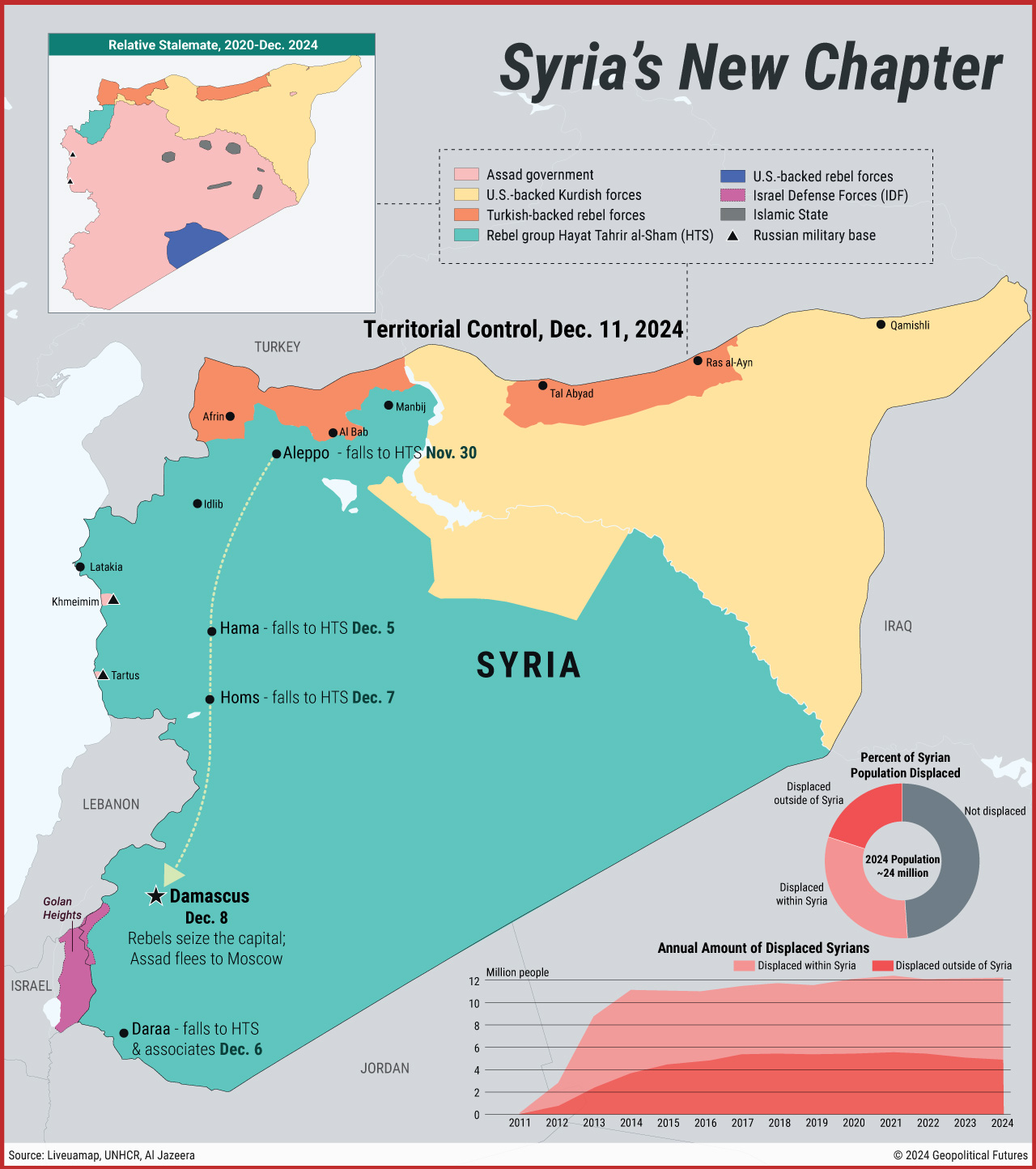
For over a decade, the SDF stood as the primary US-backed partner against the Islamic State group, carving out a semi-autonomous administration known as Rojava in the oil-rich north and northeast. That experiment is over.
When long-time ruler Bashar al-Assad fell in late 2024, the landscape changed overnight. Syria's new authorities wasted no time pushing for absolute centralized control. Following a landmark agreement signed in January 2026—backed by international pressure and diplomatic maneuvering—the writing was on the wall for independent Kurdish rule.
Abdi's appointment as an advisor looks like a prize on paper, but it represents a profound compromise. The Kurds traded their dreams of administrative autonomy for institutional seats at the table. Critics online and within northern communities aren't happy. They see these moves as a surrender rather than a victory.
Pragmatism Over Perpetual Conflict
Why would a veteran commander agree to dissolve his own force? Survival and stark realism.
Abdi is a pragmatist. After years of balancing relationships with Washington, Moscow, and various domestic factions, he recognized that holding out against Damascus was a losing bet, especially as Western powers shifted their diplomatic weight behind Sharaa's government.
Look at the concessions tied to this transition:
- The Syrian Education Ministry authorized Kurdish-language instruction for up to three classes per week in Kurdish-majority areas.
- The government granted Syrian nationality to previously stateless Kurds.
- Former military figures like Sipan Hamo secured high-ranking state positions, such as Deputy Defence Minister.
These aren't full concessions. Education rights fall short of the community's demand for total native-language schooling. Yet, for a leadership facing military pressure and shifting geopolitical winds, securing advisory and parliamentary roles keeps them relevant in the new Syria.
What Happens Next
The integration process creates deep friction on the ground. Many local fighters and civilians in the north feel abandoned by leadership deals hatched in closed-door meetings in Damascus. Integrating former SDF ranks into the national military while sorting out security in flashpoints like Hasaka will test the durability of Sharaa's administration.
Watch how parliament handles figures like Elham Ahmed, who is slated to take a legislative seat. If the central government respects these minority rights in practice, Syria might just dodge another cycle of rebellion. If it treats these appointments as token gestures while stripping away local authority, the peace won't last.
Keep your eyes on the ground, because paper decrees rarely tell the full story in post-war reconstruction.