/268075-003-58b9ddfa5f9b58af5cb9f9ac.jpg)
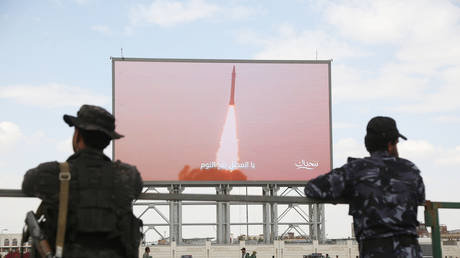
Ink barely dried on a high-stakes military agreement, and regional capitals are already scrambling for excuses. When the Mecca Joint Defence Agreement was signed by Saudi Arabia, Pakistan, and Turkey, architects of the pact hailed it as a historic shield for the Muslim world. But reality moves fast. Following a fresh wave of Houthi missile and drone strikes targeting Saudi infrastructure, that grand alliance faces an immediate crisis.
Senior Houthi leadership didn't mince words, issuing direct warnings to Islamabad and Ankara against any military intervention. Suddenly, the promise of a collective security umbrella looks terribly fragile.
The High Cost of the Mecca Pact
Signed to establish a regional deterrence framework, the trilateral pact includes a strict mutual defense clause: an attack on one member counts as an attack on all three. Sounds formidable on paper. Put into practice, however, the arrangement runs straight into a geopolitical wall.
Saudi Arabia holds the capital and faces severe security threats along its borders. Turkey brings a powerful defense manufacturing base and drone technology. Pakistan offers seasoned military manpower and nuclear deterrence.
Yet, none of these states holds enough leverage to command the others. When the Houthis expanded operations into Saudi territory, Riyadh expected immediate support. Instead, they got careful diplomatic hedging.
Why Pakistan and Turkey are Backing Away
Islamabad found itself in an impossible diplomatic corner. Pakistani defense officials quickly clarified that direct military action against the Houthis was never formally discussed, emphasizing that the pact remains strictly defensive.
The hesitation makes sense if you look at domestic realities. Pakistan houses a massive population of Shia Muslims who would fiercely oppose active military participation in a campaign against the Zaydi Shia Houthi movement. Add to that Islamabad’s delicate balancing act with neighboring Iran, and marching troops into Yemen becomes a domestic and foreign policy nightmare.
Ankara faces a similar dilemma. Turkish foreign policy relies on maintaining open channels with everyone, including Tehran. While Turkish officials signaled willingness to fulfill technical and military equipment needs for Riyadh, direct combat deployment against the Houthis carries a heavy price. Supply lines through the Red Sea and strategic leverage in East Africa mean Turkey cannot afford a messy entanglement in the southern Arabian Peninsula.
Empty Threats or Strategic Realignment
The Houthis hold crucial cards right now, including control over vital Red Sea maritime corridors like Bab-el-Mandeb. Their warning to foreign interveners underscores a gritty truth: insurgent forces with asymmetric capabilities often deter conventional states more effectively than massive defense treaties can fix.
Right now, the alliance is functioning as an instrument of political solidarity rather than an active fighting force. Riyadh is learning that mutual defense pacts are easy to sign during peacetime, but brutally difficult to invoke when actual bullets start flying.
Expect continued diplomatic tightrope walking. Ankara will likely ship defense tech, Islamabad will offer training and logistical support, and Saudi Arabia will realize that securing its borders ultimately requires direct diplomatic settlements rather than relying on paper shields.