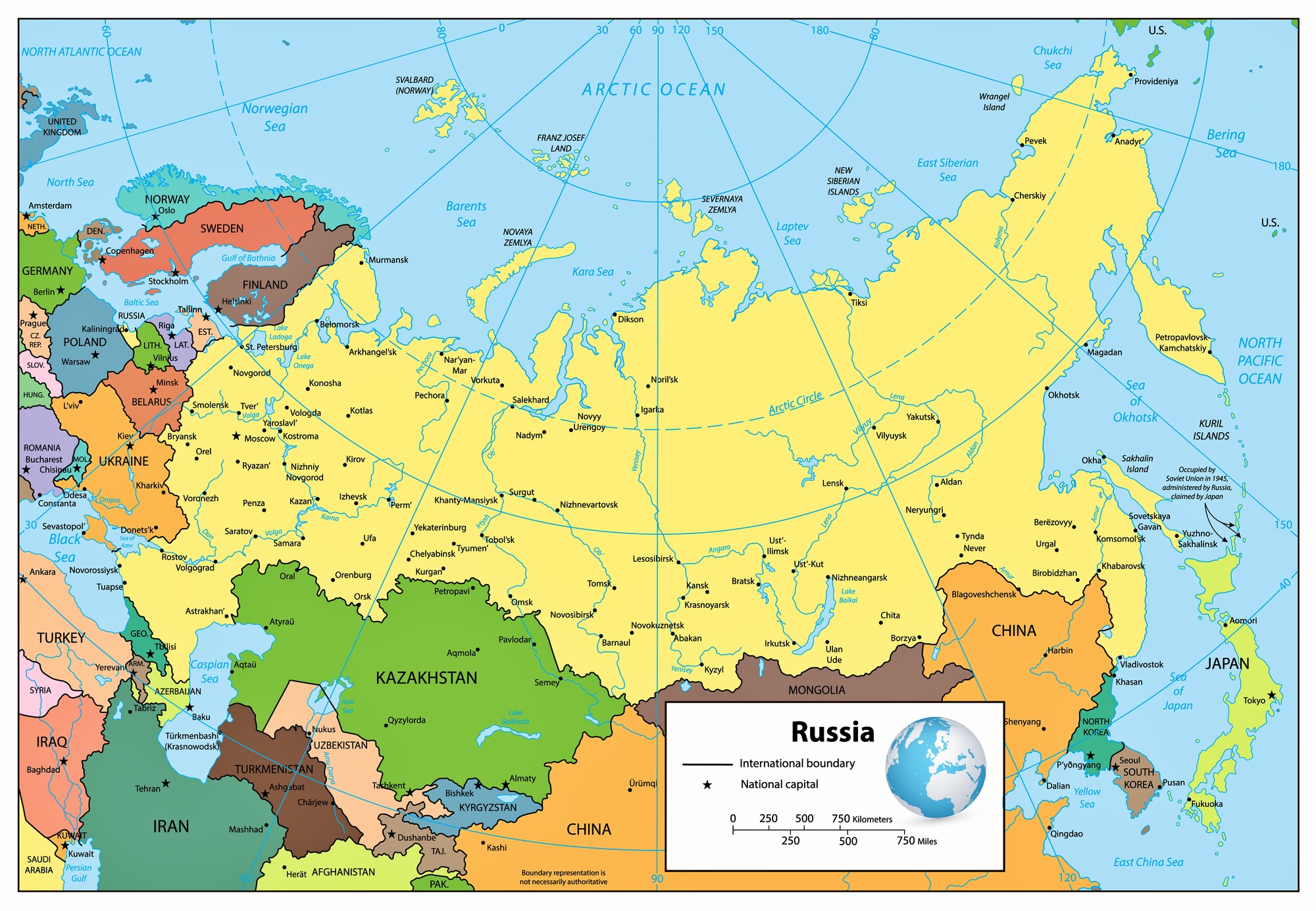
Secret midnight flights tend to get people talking. When CIA Director John Ratcliffe boarded a military transport aircraft for a brief, four-hour stop in Moscow, international observers immediately connected the dots to potential military escalations. American media outlets reported the trip served as a direct warning against any Russian aggression targeting NATO territories.
The Kremlin didn't wait long to push back against the speculation. Russian officials labeled these narratives alarmist, insisting that intelligence contacts remain standard practice rather than signs of an imminent wider war. You'll find that geopolitical theater often relies on swift denials, but this specific exchange highlights deep anxieties over European security channels. Expanding on this theme, you can also read: Why Cuba Keeps Going Dark And What The Headlines Miss.
Decoding the Moscow Mission
Unannounced intelligence meetings at the highest levels carry immense weight. Historically, such rare journeys evoke memories of late 2021, when William Burns traveled to Moscow ahead of the invasion of Ukraine. Naturally, any recurrence of similar diplomatic signals sparks immediate panic across Western capitals.
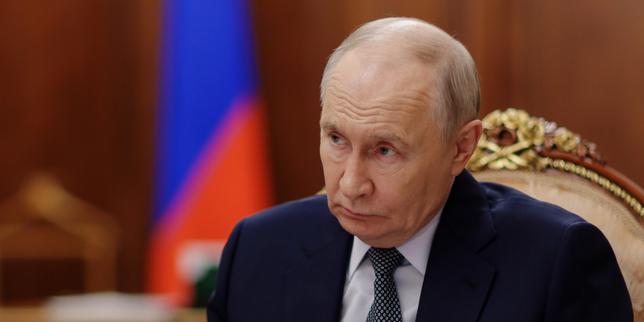
Yet, Washington and Moscow offered conflicting frames for the August 2026 meeting. While media reports insisted the chief spy flew out to draw red lines regarding alliance borders, the White House downplayed the urgency. President Donald Trump characterized the trip as semi-routine, publicly assuring reporters that Vladimir Poutine had no intention of striking alliance members. Experts at Reuters have also weighed in on this matter.
The Reality Behind Closed Doors
Intelligence agencies rarely broadcast their actual agendas. Russian intelligence officials confirmed that Ratcliffe met with local counterparts, though they kept details strictly under wraps. Sergei Narychkin and other security chiefs refused to unpack specifics, noting only that the discussions fell under classified operational domains.
This opacity leaves room for multiple interpretations. You have to look past the public posturing to understand what's really happening. On one hand, maintaining open communication channels prevents catastrophic miscalculations. On the other hand, staging high-profile visits without transparent outcomes breeds mistrust among European partners who fear being sidelined in broader bilateral deals.
What This Means for European Security
European defense planners can't afford to take soothing public statements at face value. Even if the Kremlin dismisses aggressive intent, military preparedness across eastern flank nations remains at an all-time high. Intelligence chiefs from Baltic and Nordic states continue monitoring troop movements closely, operating under the assumption that deterrence requires active vigilance rather than hopeful rhetoric.
When superpowers talk behind closed doors, smaller nations bear the psychological weight of the uncertainty. Trusting a verbal assurance during a press briefing doesn't replace structural defense guarantees. Keep an eye on how intelligence sharing evolves over the coming months, because the real impact of these secretive summits usually surfaces long after the planes land.