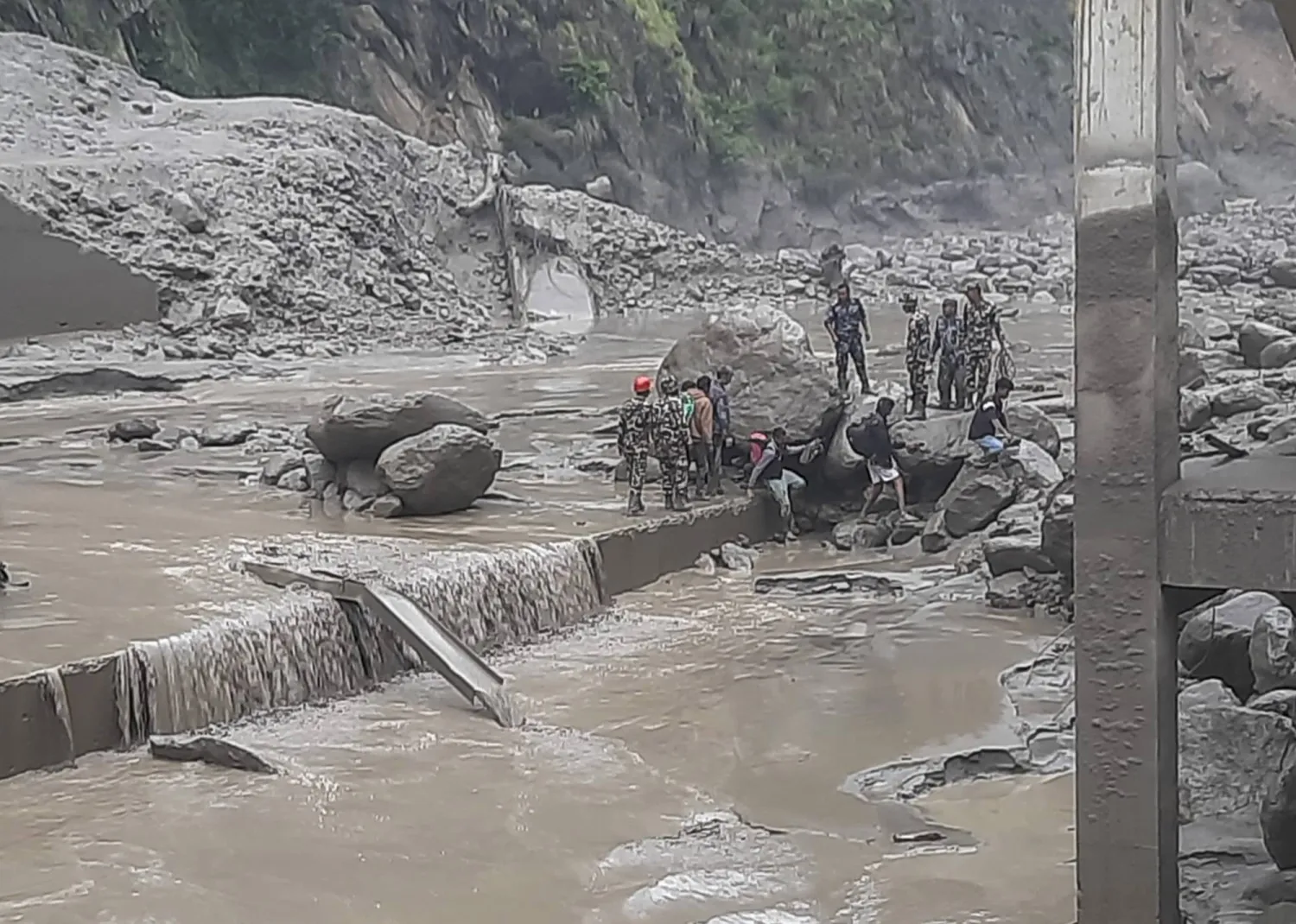
A massive wall of ice, mud, and water tore through the Himalayas recently, wiping out entire villages and leaving hundreds dead. It's one of the worst natural disasters to hit the region in years. Search and rescue operations are running around the clock. Yet, the danger isn't over. A blocked natural dam now threatens to burst, creating an imminent risk of a second catastrophic wave.
If you're tracking the situation or looking for loved ones caught in the disaster zone, here is the breakdown of what happened, the ongoing threats, and the international response.
How the Himalaya Disaster Unfolded
Geologists and climate scientists point to a catastrophic glacier collapse high in the mountains as the trigger. More than 100 million cubic meters of ice, rock, and debris broke loose. This mass slammed into valleys below, transforming into high-speed mud flows.
When a disaster strikes this fast, survival margins shrink to zero. Reports indicate a 150-foot wall of water moved at speeds reaching 40 miles per hour, completely erasing border buildings and infrastructure in areas like Syapru Besi. Satellite imagery shows total devastation where communities once stood.
The Mounting Toll and Missing Americans
The death toll has climbed past 900, with thousands more still missing. Among the missing are dozens of American tourists, trekkers, and travelers who were visiting the region.
Families across the United States are scrambling for information. Candlelight vigils have popped up in cities like New York. Relatives of missing travelers—including groups from Virginia and couples on retreats—are sharing smiling videos of their loved ones online while pleading for updates from authorities.
The U.S. State Department is coordinating emergency response efforts and has pledged initial funding to assist relief operations on the ground, while organizations like Operation Blessing have mobilized disaster response teams to help survivors.
The Immediate Danger of a Secondary Dam Breach
Right now, the most terrifying variable is the water accumulating behind the debris. Officials in Nepal and China have issued urgent alerts because a natural dam created by the landslide on the Tibetan side is at high risk of breaching.
If that barrier gives way, another wall of water will surge down the valley. Evacuations are complicated, rugged terrain makes access nearly impossible in many sectors, and communication lines remain severely disrupted.
Rescuers face mud-caked ruins and unstable slopes. If you have friends or family traveling in the region, check in with the U.S. State Department’s Bureau of Consular Affairs for emergency registry updates or contact local authorities handling foreign nationals in Kathmandu. Stay tuned to official meteorological channels for real-time flood warnings if you are tracking weather patterns in the area.


