Natural disasters rarely happen in isolation. When a catastrophic flash flood and glacier collapse tore through the steep Himalayan valleys along the Nepal-China border, it left a trail of destruction that stretched far beyond the initial impact zone. Days after the initial disaster, rescue operations across the rugged terrain had to be abruptly paused. The culprit? A dangerous "barrier lake" formed by accumulated mud, rock, and debris that threatened to burst its banks and unleash a secondary wave of devastation.
Understanding what happened requires looking at the raw mechanics of high-altitude river blockages. When massive volumes of earth slide into a narrow gorge, they act as a natural, unstable dam. Water pools behind it rapidly. This creates an invisible countdown clock for downstream communities.
The Anatomy of a Himalayan Barrier Lake Threat
The disaster began when a glacier collapse sent an unstoppable torrent of ice, water, and debris crashing down river valleys. Whole villages were buried, while critical infrastructure like roads, bridges, and hydropower installations vanished under thick mud. As the floodwaters receded slightly, the leftover debris choked the river channel, trapping immense volumes of water to form a secondary hazard: the barrier lake.
On Friday, the situation reached a breaking point. Chinese state broadcaster CCTV reported that rescue teams and heavy vehicles had to pull back immediately as the risk of the lake bursting spiked. Across the border in Nepal's Rasuwa district, military authorities ordered an urgent suspension of search operations. Residents who had already lost their homes scrambled frantically up steep hillsides, fearing a repeat of the initial torrent.
The panic was justified, but the immediate threat eventually subsided. Monitoring teams confirmed that the water level rose by only about 0.6 meters (two feet), a fraction of what disaster coordinators feared. Operations resumed shortly after, but the psychological toll on survivors huddled in schools and temporary shelters remained severe.
Scale of the Devastation and Response Efforts
The numbers coming out of the border region paint a grim picture of vulnerability in the high Himalayas. The death toll from the disaster has climbed past 570 in Nepal, with thousands remaining missing. On the Chinese side in Tibet, casualties and missing persons reports highlight how the catastrophe devastated communities across both nations.
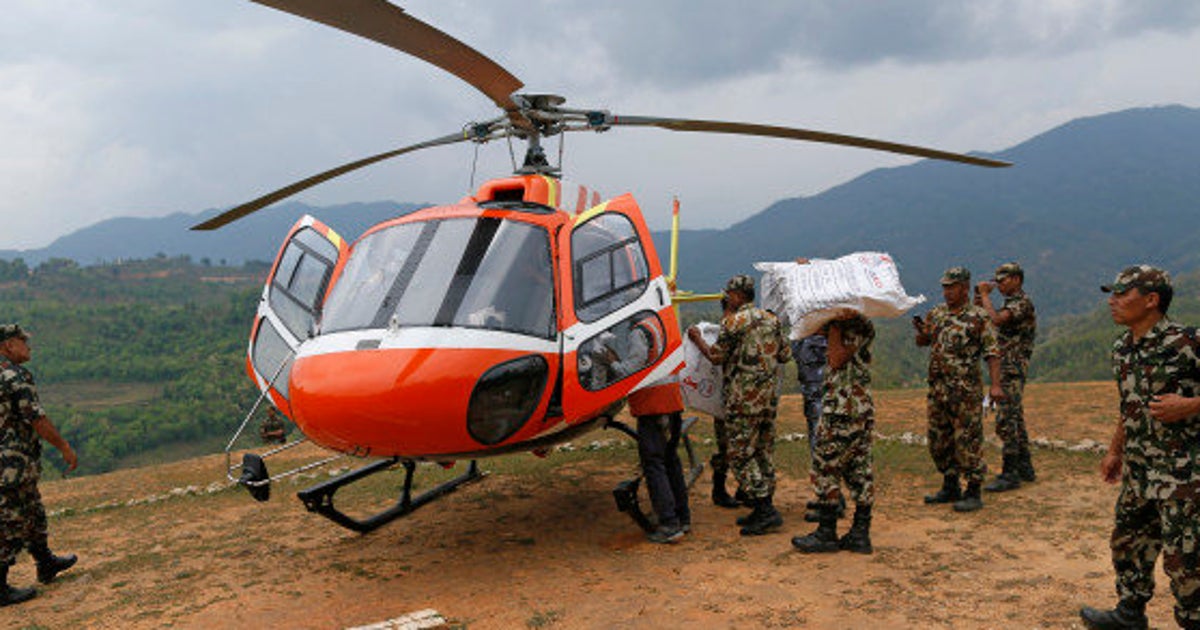
Governments have mobilized heavily, but logistics remain an absolute nightmare. Nepal deployed roughly 30,000 security personnel to comb through isolated valleys, while China sent around 500 military and paramilitary specialists. Helicopters have been working nonstop, flying dozens of missions to pluck survivors from cut-off areas like Rasuwa that are completely inaccessible by road.
David Fisher, heading the International Federation of Red Cross and Red Crescent Societies (IFRC) delegation in Nepal, noted that tens of thousands of people have had their lives upended. Food and medical supplies struggle to reach those marooned in remote pockets because the basic arteries of transport were wiped out in an instant.
What This Means for Future Disaster Management
Barrier lakes highlight a terrifying blind spot in standard emergency response protocols. When floods hit mountainous regions, attention focuses entirely on immediate rescue and body recovery. Yet, the geological scars left behind can pose an equally lethal threat days later.
Engineers and disaster experts face an uphill battle when monitoring glacial outbursts and landslide dams. Real-time satellite imagery and remote sensing sensors are becoming mandatory tools for spotting these formations before they overflow, but rugged terrain and unpredictable weather often block quick assessments.
Communities living along transboundary river systems need resilient early warning systems that account for secondary hazards like natural dam bursts. Without proactive monitoring of upstream debris flows, rescue workers will remain constantly vulnerable to the very environments they are trying to save.
The immediate crisis along the Nepal-China border has stabilized for now, but the millions needed for long-term reconstruction underscore a stark reality. Mountain regions are warming faster than ever, and the frequency of glacier-related disasters is rewriting the rules of survival in High Asia.
Barrier lake triggers fresh floods, halts rescue at Nepal-China border
This video provides a direct look at the conditions on the ground as the barrier lake overflow triggered fresh concerns and temporary pauses in rescue work along the border.
http://googleusercontent.com/youtube_content/1