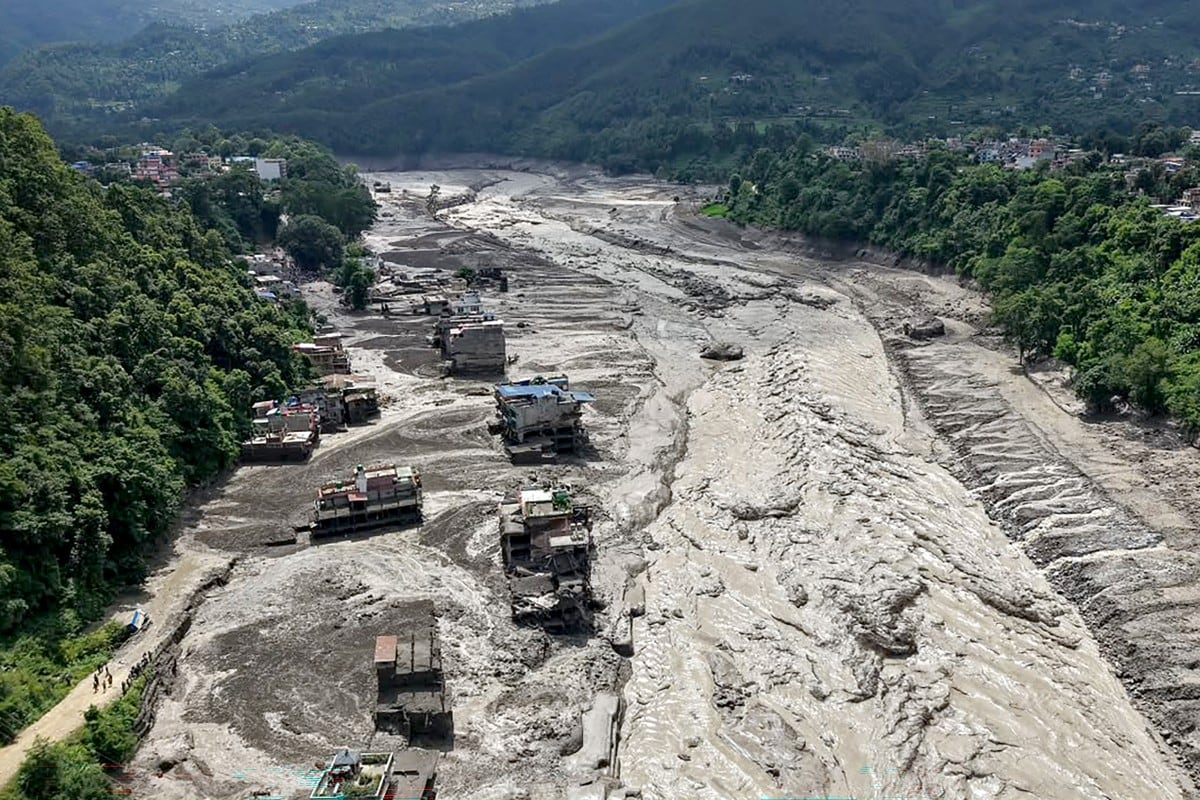
Nature moves fast when it breaks. A wall of icy debris, water, and mud tore through river valleys earlier this week, leaving a trail of destruction that has shocked the region. This is the deadliest disaster Nepal has faced since the 2015 earthquake. The numbers coming out of the disaster zones are grim. Over 579 people are confirmed dead, and thousands remain missing as rescue teams fight against the clock and unstable terrain.
If you are trying to track what is happening on the ground, the reality is messy. Communications are down in large pockets. Rivers remain swollen. Relief workers are dealing with secondary hazards that threaten to stall entire evacuation efforts.
What Triggered the Catastrophe
The disaster didn't start with heavy rain in Kathmandu. According to the US Geological Survey, the catalyst was a massive glacial collapse high up near the border region. This sudden break unleashed a colossal torrent of icy debris down mountain channels.
Things got worse when a barrier lake on the Tibet side burst. That failure sent a secondary surge downstream, catching settlements and infrastructure completely off guard. Nepali police issued fresh high-alert warnings as debris-choked lakes continued to threaten spilling over. Chinese authorities briefly paused rescue operations due to unstable water pooling, though work resumed once the immediate risk subsided.
Over 14,000 security personnel are currently deployed. They are working in brutal conditions. Mudslides block access roads. Heavy equipment cannot reach isolated mountain pockets. Rescuers are relying on foot patrols, ropes, and sheer grit to pull survivors from the wreckage.
The Search for Missing Foreign Nationals and Citizens
The human toll extends far beyond local residents. Hundreds of foreign workers and travelers were caught in the path of the sudden torrent.
India's Ministry of External Affairs, led by spokesperson Randhir Jaiswal, shared updates on rescue efforts for Indian nationals. Teams managed to pull workers out from vulnerable spots like the Trishuli One hydropower project. Dozens of others stranded on the Chinese side managed to cross back into Nepal safely by land.
Even so, the anxiety for families back home is palpable. Hundreds of Indian citizens and people of Indian origin remain uncontactable. Local authorities are setting up temporary desks and hotlines, but overloaded networks make getting verified information difficult.
Why Mountain Hydropower Projects Are Vulnerable
Mountain regions are seeing rapid industrial expansion. Hydropower plants are popping up along fast-flowing Himalayan rivers to meet energy demands. These projects bring jobs and power, but they also place workers directly in high-risk zones.
When a glacial lake outburst flood happens, warning times drop to minutes. Traditional sirens do not work when an entire valley wall gives way. Engineers and planners face hard questions now. How do you build resilient infrastructure when the climate overhead is shifting faster than the safety codes?
Protecting workers requires better early-warning tech. Satellite monitoring of glacial lakes needs to be linked directly to automated downstream sirens. Waiting for visual confirmation means waiting too long.
What Happens Next on the Ground
Survival mode is shifting into long-term recovery, but the hurdles are immense. Survivors are facing contaminated water sources and a shortage of safe food supplies. Medical teams are racing to prevent waterborne diseases from spreading through crowded relief camps.
If you are looking to support relief operations, stick to verified humanitarian channels and established disaster response funds working directly inside the affected districts. Avoid unverified social media drives asking for digital transfers.
The mountains have spoken again. Ignoring the fragility of these high-altitude ecosystems is no longer an option.