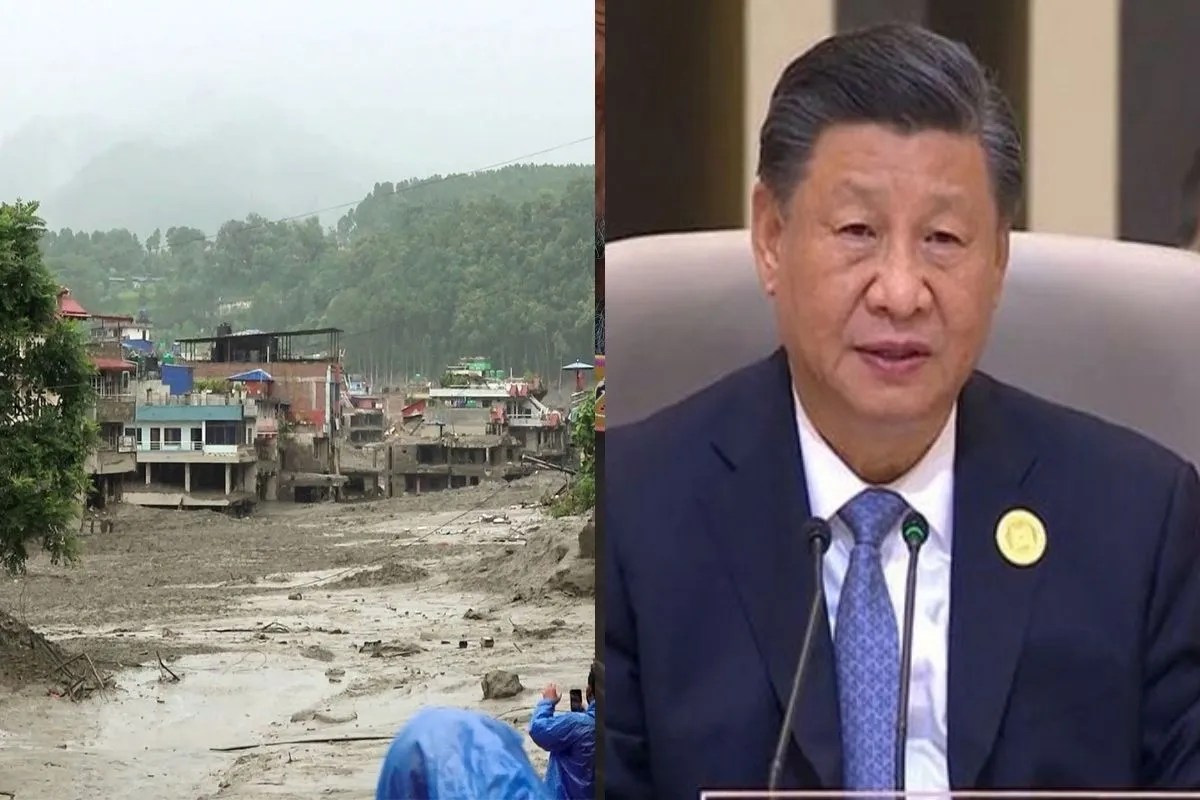
High-altitude mountain collapses don't make headlines until a wall of mud and water hits a village. When a catastrophic rock-and-ice avalanche tore down the Lhende Khola river system near the Nepal-China border, it triggered a massive humanitarian emergency. Thousands went missing, and critical infrastructure vanished in minutes.
Behind the immediate horror of the disaster lies an escalating upstream threat. Chinese authorities and regional disaster management teams raised urgent alerts after a large barrier lake formed near the Chhochen Khola and Purepu Tsangpo river confluence. This unstable natural dam accumulated millions of cubic meters of water, with projections indicating an additional three million cubic meters threatening to swell the basin.
Understanding the Upstream Hazard
Most people assume flash floods come from relentless monsoon downpours alone. The reality of the recent Himalayan disaster is far more complex. Scientists from the International Centre for Integrated Mountain Development confirmed that the trigger was an intense rock-and-ice avalanche rather than a standard glacial lake outburst flood.
When millions of tons of material dropped over a thousand meters, the sheer frictional energy melted the ice instantly. This created a dense, fast-moving slurry of rock, mud, and water that traveled downstream at terrifying speeds.
Now, the secondary crisis centers on the debris blockage left behind. Water pooling behind these unstable geological barriers creates a ticking clock. When a barrier lake begins to overflow, downstream communities in Nepal's Bhotekoshi river basin face immediate danger.
The Limits of Historical Disaster Models
Governments and engineering firms love relying on historical data. They build flood defenses based on what happened a century ago. That strategy is failing. Rising temperatures in the Hindu Kush Himalaya are destabilizing permafrost and accelerating glacial retreat.
Consider what data from high-altitude monitoring stations reveals. Temperatures near the source area spiked dramatically in the days leading up to the collapse. This thermal stress causes frost cracking in rock faces that previously remained frozen solid for ages.
If disaster management agencies keep looking backward, more valleys will be caught off guard. Cross-border cooperation between Nepal and China is no longer optional diplomacy; it's a matter of basic survival for millions living downstream. Real-time sensor networks and shared hydrological data must replace bureaucratic delays.
Stop treating these events as isolated anomalies. The geography of the roof of the world is changing, and our emergency response systems must adapt just as quickly.
Nepal Floods: China Warns Barrier Lake Could Breach Within 3 Days
This video provides an on-the-ground look at the warnings issued by authorities regarding the threatening barrier lake near the border.