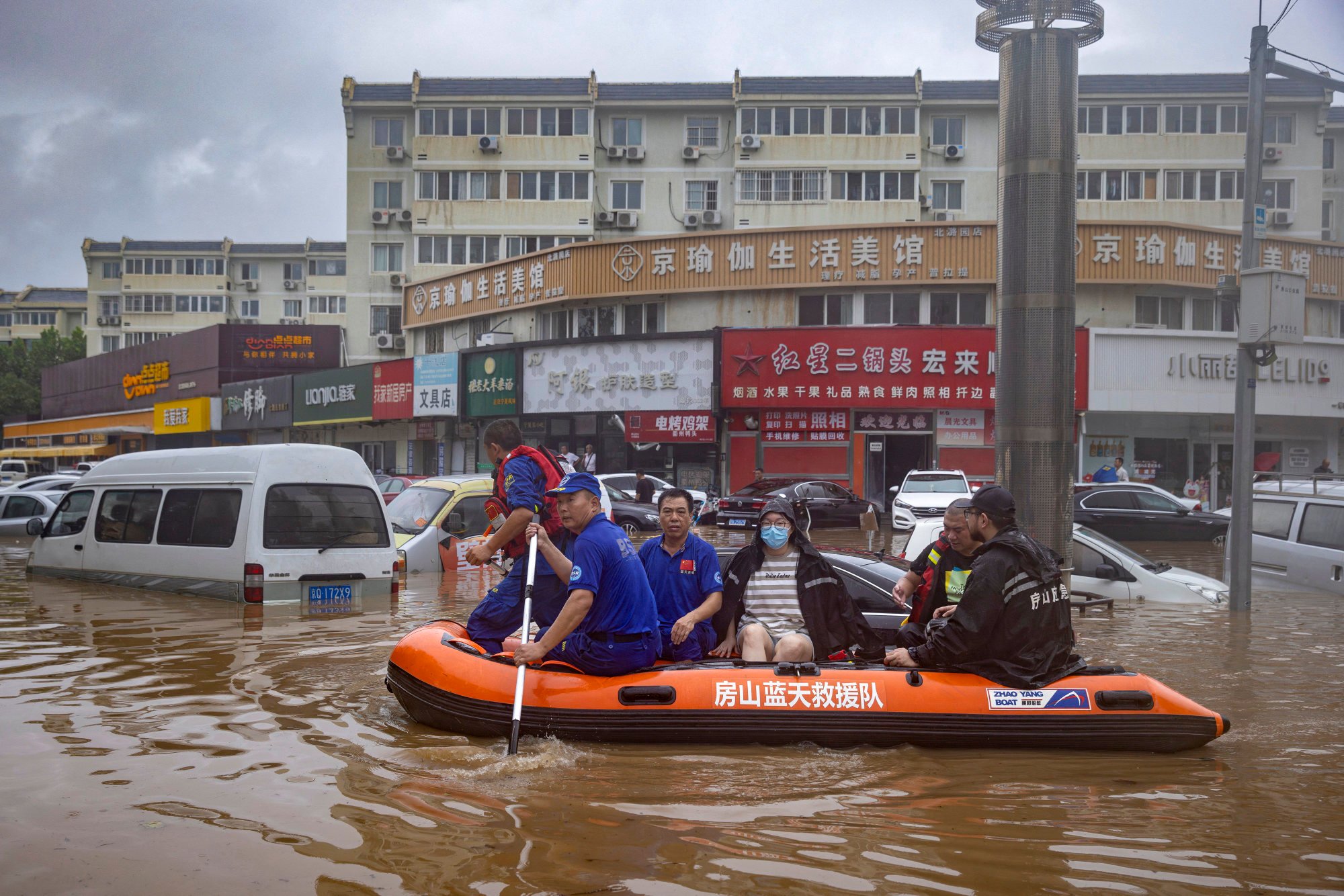
A sudden and violent wall of water can wipe out a settlement before residents even realize the sky has turned against them. That terrifying reality struck the Tibet-Nepal border recently, when a devastating flash flood disaster ripped through river valleys, leaving hundreds dead and critical infrastructure in ruins.
Beijing has officially pointed the finger at a high-altitude glacier collapse in Nepal as the root cause of this catastrophe. When official institutions from both China and Nepal line up behind the same preliminary assessment, it tells you just how violent and unmistakable the physical evidence on the ground really is.
Let's look at what actually happened.
The Mechanics of a High-Altitude Disaster
Ice doesn't just sit quietly on top of mountains forever. In severe cold plateau regions with steep valleys and shifting weather patterns, high-altitude glaciers become ticking clocks.
The mechanics of this particular disaster are brutal in their simplicity. An ice-rock avalanche slammed directly into the Lhende River. That massive chunk of debris choked off the river flow, creating a natural, unstable dam. Water built up behind the temporary barrier until the pressure became too great.
When the natural dam burst, it unleashed a torrential surge downstream into the Bhotekoshi and Trishuli river systems. Settlements, roads, bridges, and hydropower infrastructure got smashed to pieces in minutes. The death toll in Nepal climbed past 400, while casualties hit the Tibet side too.
You're looking at a classic high-altitude hazard that modern engineering struggles to predict with absolute precision.
Cross-Border Coordination Amid Chaos
Disasters don't care about international boundaries. When a flash flood tears down a shared river basin, governments have to coordinate fast.
China's foreign ministry spokesperson Lin Jian noted that joint analysis by experts from both sides pinned the blame squarely on the glacial collapse. But figuring out the cause is only half the battle. Rescuing stranded people is where the real nightmare begins.
President Xi Jinping addressed the crisis during a ruling Communist Party meeting, highlighting the brutal terrain. Steep valleys, variable weather, and surrounding glacial lakes make rescue operations extremely dangerous for emergency crews.
Despite those hurdles, Chinese authorities mobilized quickly. More than 1,000 people, including over 550 tourists, were evacuated safely from Gyirong County near the border. Search teams worked around the clock to track down missing foreign nationals and locals alike, while Beijing pledged emergency aid to support Nepal's recovery efforts.
What This Means for Future Mountain Safety
We need to talk about why these disasters are becoming harder to ignore. Climate shifts and rising temperatures in high-altitude regions destabilize ice packs and fill up glacial lakes faster than ever.
If you live near vulnerable river systems or travel through high-altitude border regions, you have to factor these geological hazards into your planning. Local authorities are already re-evaluating early warning systems for remote valleys where communication lines get wiped out instantly by initial impacts.
Keep an eye on regional infrastructure projects near glacial zones. Engineers are going to face massive pressure to redesign bridges and dams to withstand sudden ice-rock avalanches.
Check local geological updates before heading into remote mountainous terrain. If a high-altitude zone shows signs of rapid ice shifting or unstable weather, stay away.