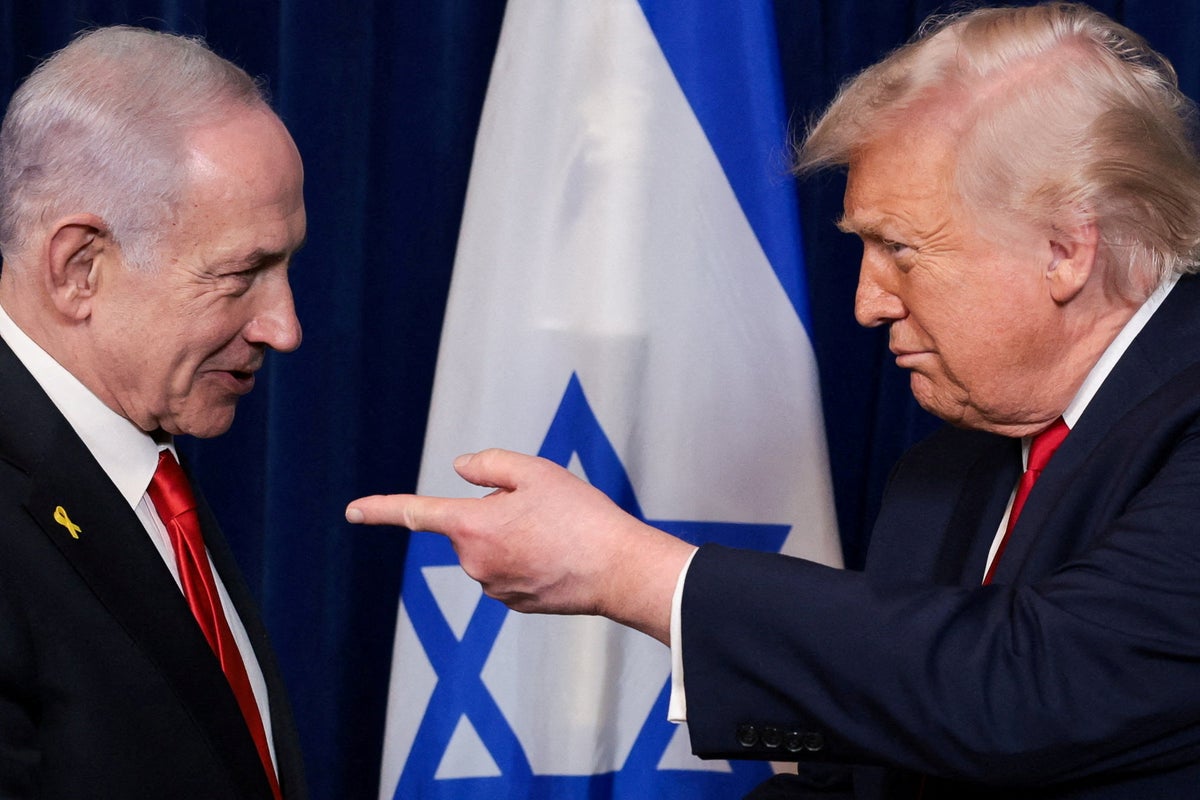
Diplomatic blueprints rarely survive contact with reality. When Washington unveiled its latest framework to reshape the Middle East, optimism spiked. But Prime Minister Benjamin Netanyahu just drew a hard line in the sand. Israel won't pull its troops out of the Gaza Strip until Hamas is completely stripped of its weapons.
This stance effectively stalls the high-profile American roadmap. It exposes deep fractures between an eager White House looking for a quick diplomatic win and an Israeli war cabinet demanding absolute security guarantees.
The Disarmament Stalemate
At the center of the dispute lies a sequencing nightmare. The American proposal envisioned a phased process where military actions halt, hostages return, and a gradual Israeli withdrawal takes place alongside international supervision.
Netanyahu isn't buying the timeline. In televised remarks to his right-wing government, he made it clear that Israeli forces will maintain their positions and operational freedom.
- Hamas refuses to hand over its arsenal voluntarily.
- Israel refuses to vacate strategic buffer zones without total demilitarization.
- The international community is left scrambling to bridge an impossible gap.
You can't build a lasting peace on a foundation of mutual distrust. Both sides keep insisting the other must make the first definitive move. Meanwhile, troops remain locked in place, and civilians bear the brunt of the political gridlock.
What Washington Missed
The White House pitch assumed that diplomatic pressure and promises of post-war economic reconstruction would override ground-level security fears. That calculation ignored decades of bitter history.
From the Israeli perspective, leaving a vacuum in Gaza before dismantling militant infrastructure invites an immediate resurgence. Past ceasefires collapsed because enforcement mechanisms failed. Netanyahu's hardline stance reflects domestic political survival as much as military strategy. His coalition partners would collapse the government at the hint of a premature withdrawal.
Hamas, on the other hand, views disarmament as total capitulation. Without weapons or a sovereign guarantee of protection, leadership sees no survival path.
Where the Conflict Goes Next
Deadlines come and go in this conflict. The grand visions promoted by international mediators routinely crash against the hard walls of ideology and grief on the ground.
If Washington wants results, grand press conferences won't cut it anymore. Real leverage requires addressing the structural security dilemma rather than demanding leaps of faith from actors who have spent years trying to destroy each other. Until someone finds a way to guarantee disarmament without forcing unconditional surrender, this plan is dead on arrival.
Israel rejects Donald Trump's 15-point plan to end Gaza war
This video provides direct news coverage of Israeli leadership rejecting the recent American peace proposal regarding military withdrawal and disarmament.
http://googleusercontent.com/youtube_content/1