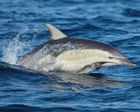
Wildlife conservation isn't supposed to feel like a slow-motion horror movie. Yet, here we are. A wild dolphin has died from the H5 bird flu in South Australia, marking a grim milestone that scientists have feared for years. At the exact same time, authorities are pulling researchers off a remote sub-Antarctic outpost. Why? Because watching thousands of seals potentially die from an unstoppable virus poses a severe "psychosocial risk" to human minds.
Let that sink in. We've reached a point in ecological breakdown where the mental toll of witnessing nature's collapse forces our retreat.
If you think this is just another isolated animal health blip, you're missing the broader picture. The H5N1 strain isn't staying neatly inside avian populations anymore. It's bleeding into marine mammals, crossing species barriers with terrifying frequency, and rewriting the rules of global epidemiology.
The Reality of Marine Mammal Infections
We used to view avian influenza as a poultry problem. Then it hit wild birds. Then foxes, seals, sea lions, and now dolphins.
The recent case in South Australia involving a dead common dolphin isn't just a sad anomaly. It points to a pervasive environmental vector. When marine predators ingest sick birds or share coastal waters heavy with viral loads, the pathogen finds a new playground. Cetaceans have complex social structures and shared respiratory exposure in pods, making them vulnerable once a virus adapts to mammalian hosts.
Scientists are scrambling. Every new species crossover means the virus is testing genetic combinations. It's tossing dice repeatedly, looking for the combination that unlocks easy transmission between warm-blooded animals.
When Science Stations Fall Silent
Look south toward Macquarie Island. This sub-Antarctic sanctuary hosts immense populations of penguins, seals, and seabirds. It's a pristine breeding ground and a vital barometer for southern hemisphere biodiversity.
Yet, human researchers are being pulled off the station. The reason cited by managing agencies is the extreme psychological toll of watching a massive, helpless mortality event unfold among seals and penguins without being able to stop it.
Think about the weight of that decision. We have advanced monitoring tech, yet the human element broke first. Field biologists train for harsh weather, isolation, and physical danger. They don't train to stand helpless on a rocky beach while an invisible pathogen decimates iconic colonies of mammals right before their eyes. When institutions pull staff out to protect their mental health, it signals a psychological crisis within the scientific community itself. We are confronting ecological grief on an industrial scale.
What Most People Get Wrong About the Spread
People love simple narratives. They want to hear that a virus stays put, or that wild animals will naturally develop immunity overnight.
Nature doesn't work like that.
- It's not just ducks anymore. The adaptation to mammals means the internal machinery of the virus is shifting.
- Isolation is an illusion. Sub-Antarctic islands once felt safe because of their sheer distance from industrial human hubs. The wind, migratory birds, and ocean currents laugh at human borders.
- The economic firewall holds, for now. While poultry farms in South Australia have managed to dodge direct hits so far, relying on biosecurity fences while wild ecosystems unravel outside is magical thinking.
How to Process the Escalation
You don't need to panic, but you do need to stop treating environmental headlines as background noise.
Keep an eye on official updates from wildlife health organizations. Avoid handling dead wildlife on beaches entirely. Report unusual marine mammal or bird strandings to local authorities immediately instead of investigating them yourself.
The barrier protecting human populations from widespread zoonotic spillover relies entirely on the health of natural ecosystems. When dolphins and seals start falling to a bird virus, the warning lights on the dashboard are flashing red. Ignoring them won't make the engine stop burning.