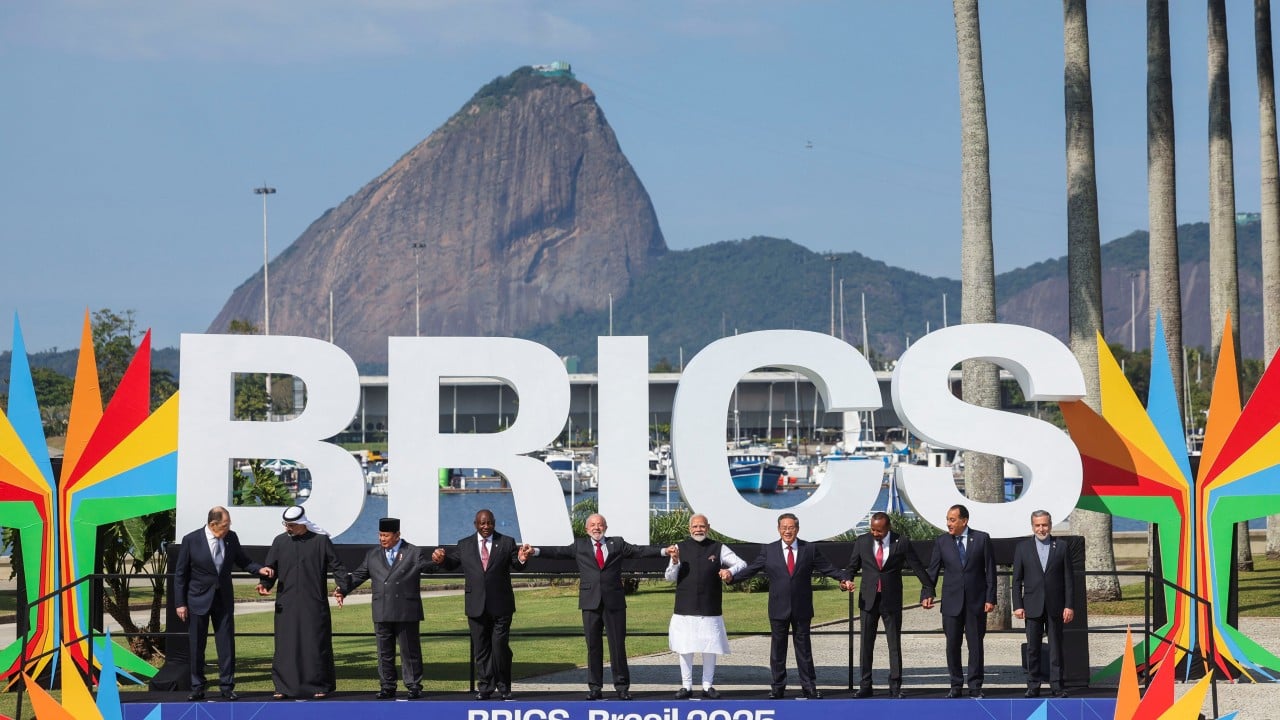
Diplomatic ice doesn't melt overnight, but an invitation to New Delhi's upcoming summit might just turn the heat up. Prime Minister Narendra Modi has officially invited Bangladesh Prime Minister Tarique Rahman to attend the 18th BRICS Summit as a special guest.
Coming off the heels of major political shifts in Dhaka, this move is far from a standard diplomatic courtesy. It is a calculated olive branch. Following the dramatic political upheaval in August 2024 that unseated former leader Sheikh Hasina and brought the Bangladesh Nationalist Party (BNP) to power, ties between New Delhi and Dhaka hit a notable rough patch. Hasina's refuge in India created an immediate sensitivity. Public sentiment in Bangladesh remained jittery.
Now, with the BRICS summit slated for September 12–13, the spotlight turns squarely on whether Rahman will make the trip.
Decoding the Strategic Outreach
Why extend this invitation now? Simple pragmatism. India shares a massive, porous border with Bangladesh. Leaving that relationship in a prolonged deep freeze benefits neither nation.
As the current chair of the Bay of Bengal Initiative for Multi-Sectoral Technical and Economic Cooperation (BIMSTEC), Bangladesh holds a natural institutional bridge to regional integration. By bringing Rahman into the BRICS outreach fold, India is signaling a willingness to work directly with the elected BNP government, bypassing the personal political dynamics of the past.
Yet, Dhaka hasn't immediately RSVP'd. Foreign Ministry officials confirmed receipt of the invite, but consultations are ongoing. Domestic optics matter heavily for Rahman. Walking into New Delhi while Hasina remains sheltered in India carries distinct political risks back home.
The Multilateral Balancing Act
Bangladesh has long eyed BRICS membership. Both China and Russia have previously voiced support for Dhaka joining the bloc.
If Rahman attends the New Delhi summit, he won't just be interacting with India. He gets a prime multilateral stage to rub shoulders with global heavyweights, including Chinese President Xi Jinping and Russian President Vladimir Putin. It allows Dhaka to project an independent, multi-aligned foreign policy.
For New Delhi, hosting the summit provides a controlled, prestigious environment to reset bilateral grievances. A face-to-face dialogue between Modi and Rahman would establish a vital direct communication channel. Without that top-level rapport, misunderstandings fester.
The Real Hurdles Ahead
Diplomacy runs on more than handshakes and summit photos. Real issues loom large on the immediate horizon.
Take water diplomacy, for instance. The 1996 Ganges Water Sharing Treaty faces expiration in December 2026. Dhaka has made it clear that any stable long-term bilateral framework depends on addressing transboundary water management fairly.
Security concerns, cross-border trade, and regional stability also demand constant administrative alignment. Economic interdependence means neither country can afford a permanent diplomatic standstill.
The ball is now in Dhaka's court. Accepting the invitation could lay the groundwork for a pragmatic, transactional reset. Skipping it risks locking both nations into a counterproductive holding pattern. Watch what happens over the next few weeks closely.