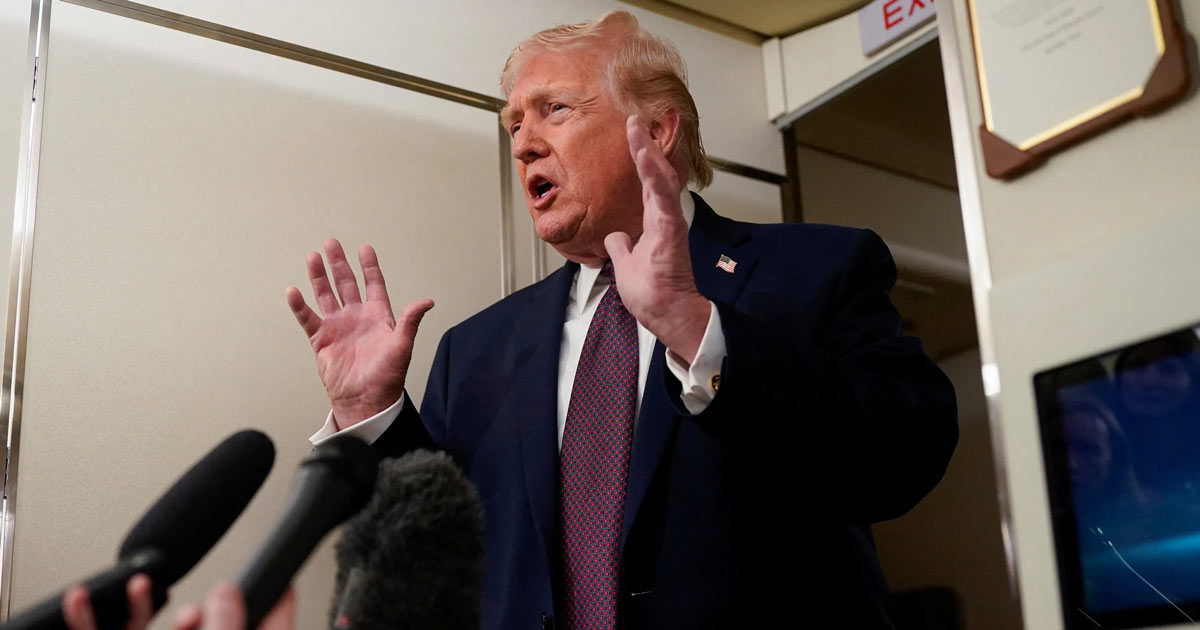
The headlines sound historic, but the fine print tells a much messier story. United States President Donald Trump announced that the Board of Peace successfully negotiated a complete agreement for the disarmament of Hamas and other armed groups in Gaza. It's a massive milestone tied directly to the administration's 20-point plan. Yet, if you look past the social media declarations, real questions remain about whether this deal can survive contact with reality.
Breaking Down the Disarmament Roadmap
The framework didn't materialize overnight. Mediators from Egypt, Qatar, and Turkey spent weeks shuttling between parties to lock down an outline. Under the terms, the process is supposed to happen in strict, phased stages over the course of roughly 200 to 300 days.
Heavy weapons and underground tunnels will fall under the direct handling of an International Stabilization Force (ISF). Meanwhile, personal weapons are designated to be managed under future Palestinian law as a new local police force takes shape.
Sounds orderly, right? Don't count on it running smoothly.
The Core Disconnect Between Hamas and Israel
The biggest friction point isn't just about handing over guns—it's about the sequencing. Hamas officials, including negotiator Ghazi Hamad, made it clear that they refuse to lay down weapons before an Israeli withdrawal. Their stance is explicit: if Israel doesn't fulfill its pullback obligations, the disarmament deal falls apart.
On the flip side, Israeli officials have voiced deep skepticism. Jerusalem's security establishment looks at the 15-point disarmament proposal and argues it doesn't go far enough to guarantee total demilitarization. Israeli leadership worries that phased withdrawals will leave them vulnerable if Hamas stalls or reneges halfway through the timeline.
The Role of the International Stabilization Force
The heavy lifting of this entire arrangement falls squarely on the ISF. They aren't just there to keep the peace on paper. They have to oversee tunnel destructions, dismantle remaining heavy weaponry, and train the incoming local police units.
Building a functional security apparatus from scratch in a territory coming out of brutal conflict is a monumental gamble. Past international interventions in the region faced severe logistical and political roadblocks. Without total buy-in from local factions, the ISF risks getting caught in the crossfire of lingering regional hostility.
What Happens Next on the Ground
Implementation depends entirely on a strict step-by-step approach where no new phase begins until the previous one finishes. While regional heavyweights like Saudi Arabia, Jordan, and the United Arab Emirates offered diplomatic input, the day-to-day enforcement will test every single stakeholder.
Keep your eyes on the initial troop movements and the actual establishment of the National Committee for Gaza. That will tell you whether this agreement is a genuine turning point or just another piece of paper destined to gather dust.