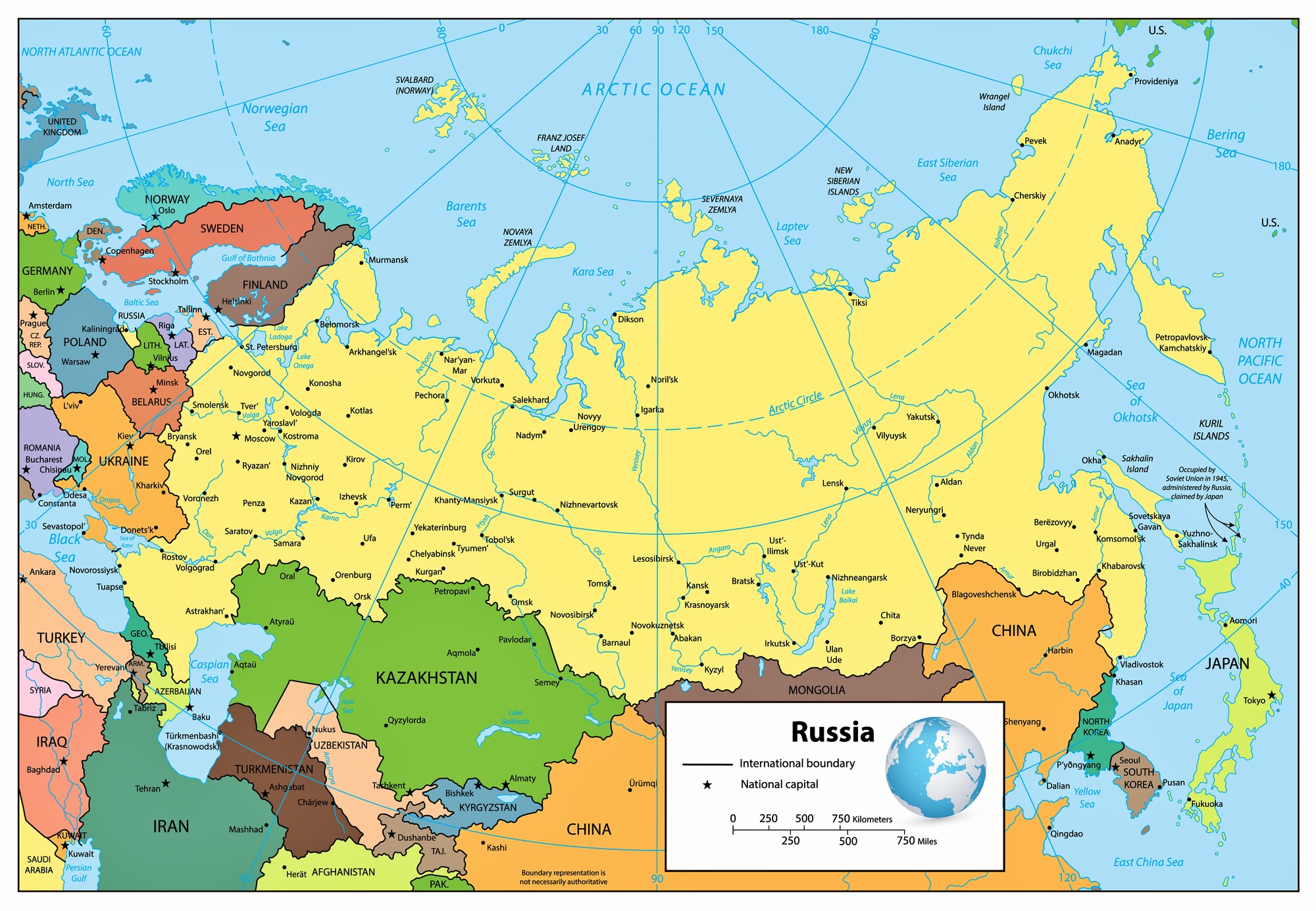
Washington just handed the White House a massive economic weapon. The US Senate passed a sweeping bipartisan sanctions package targeting Russia. It doesn't just go after Moscow. It brings a 100% tariff threat straight to the world's top buyers of Russian energy, specifically naming countries like India and China.
Passed by a comfortable 86-11 vote, the legislation—officially renamed the Lindsey O. Graham Sanctioning Russia and Iran Act of 2026—is designed to choke off the revenue fueling the ongoing war in Ukraine. But in doing so, it puts major developing economies in an impossible corner: choose between trading with America or buying cheap Russian oil.
What the Legislation Actually Does
The core mechanism of the bill is simple and brutal. It authorizes the US President to slap tariffs of up to 100% on goods coming from the top five global importers of Russian crude oil or natural gas.
Right now, that list includes:
- China
- India
- Azerbaijan
- Hungary
- Slovakia
The legislation doesn't automatically trigger these tariffs overnight. Instead, it gives President Donald Trump wide discretionary power to impose, delay, waive, or modify the penalties based on what he deems to be in America's national interest.
Aside from the tariff threat, the bill targets Russian leadership, financial institutions, oligarchs, and the shadow fleet of oil tankers Moscow uses to bypass existing international restrictions. At the White House's request, the package also extends the Iran Sanctions Act of 1996 through 2031.
Why India and China are Feeling the Heat
If you are wondering why New Delhi and Beijing are square in the target zone, look at the energy trade data since 2022. Western sanctions pushed Russia to deeply discount its crude. Indian and Chinese refiners seized the opportunity.
For India, discounted Russian oil became an economic lifeline. It cushioned domestic fuel costs and kept inflation manageable. Dependence on Russian barrels grew even heavier after conflicts in West Asia disrupted traditional shipping lanes through the Strait of Hormuz.
Washington sees this trade as a financial oxygen tank for Moscow's military machine. Senator Darline Graham, who took her late brother's seat in the Senate, put it bluntly during the debate. The bill forces primary buyers to make a stark choice between the US market and Russian energy.
The Domestic Pushback and Strategic Risks
Not everyone in Washington thinks this is a smart move. A vocal minority of lawmakers argued that threatening core strategic partners with punishing trade walls will backfire.
During the debate, Senator Rand Paul didn't mince words, calling the tariff proposal a case of America "shooting itself in the foot". He warned that alienating a critical partner like India damages long-term US geopolitical interests in the Indo-Pacific.
Democratic House members also raised alarms about expanding executive tariff powers. Critics argue that handing the White House unchecked authority to weaponize tariffs creates chaotic trade wars rather than precise diplomatic pressure.
What Happens Next
The bill isn't law yet. It now heads over to the House of Representatives, which is scheduled to take up the measure when it reconvenes on August 31.
If it clears the House and gets signed, the ball lands squarely in the executive branch. New Delhi and Beijing will have to navigate a high-stakes diplomatic tightrope. India has consistently maintained that its energy acquisitions are dictated by national security and market realities rather than geopolitics. Whether Washington's sledgehammer approach forces a shift in that policy remains to be seen.
Track the House floor schedule ahead of August 31 to see if the legislation faces modifications or exemption amendments before hitting the president's desk.