Tensions in West Asia are hitting a boiling point. If you have been tracking the headlines, you know the rhetoric between Washington and Tehran just took a sharp, dangerous turn. Iran's central military command, the Khatam al-Anbiya Central Headquarters, recently issued a blunt warning. They stated that any renewed military strike by the United States will trigger continuous, effective, and painful retaliation targeting American bases and interests across the region.
What makes this escalation different from past flare-ups? It is not just about direct exchanges between two adversaries anymore. Tehran has made it clear that any regional neighbor or ally providing backing to Washington will instantly be treated as an active participant in the conflict. This shifts the security calculus for the entire Gulf overnight.
The Naval Blockade and the Strait of Hormuz Chokepoint
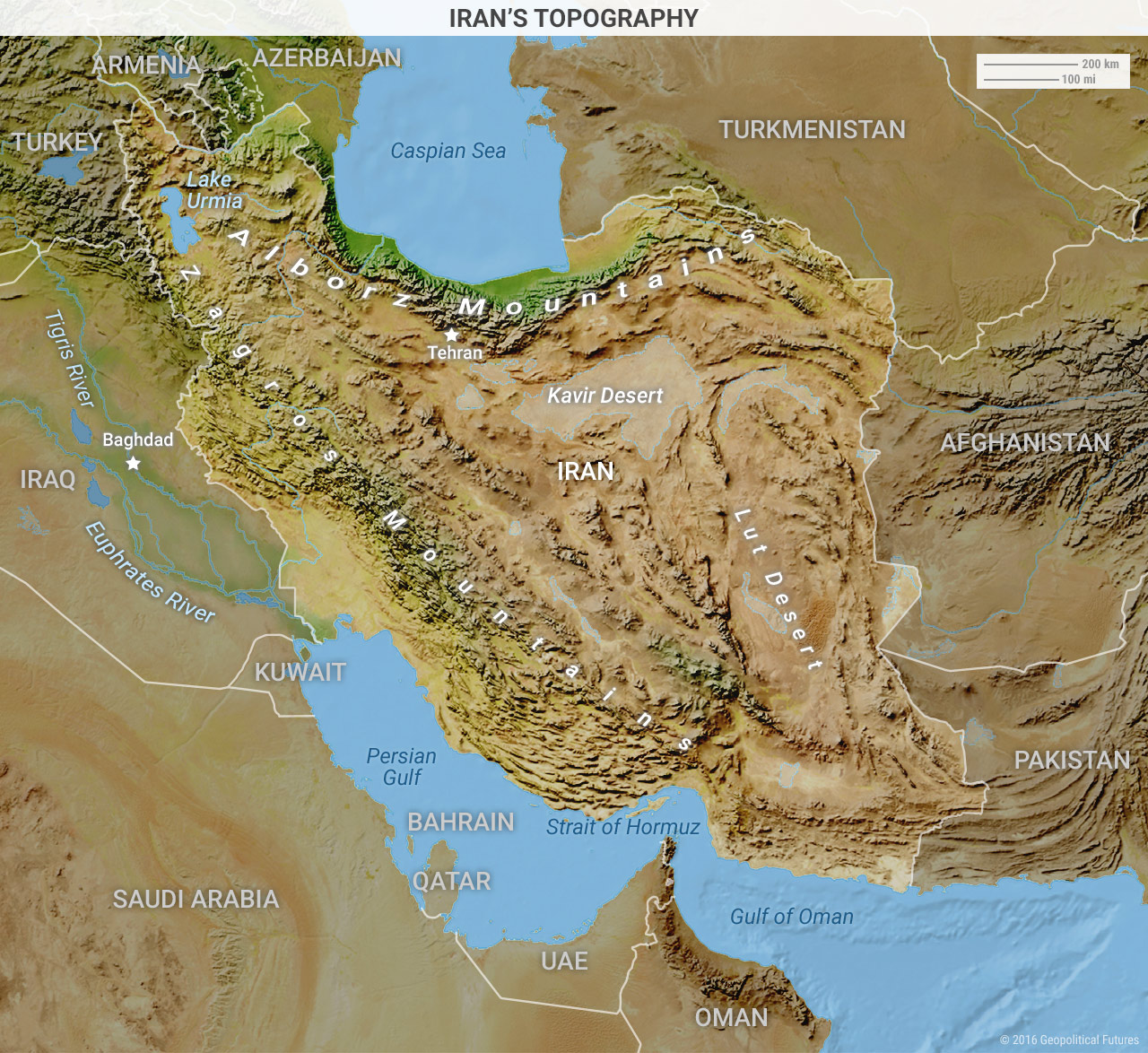
Behind the fiery statements lies a grinding, high-stakes operational reality. The United States military is maintaining a tight naval blockade on Iranian ports. Data from US Central Command shows that forces have redirected 109 commercial vessels as of late September to enforce this chokehold.
At the same time, the Strait of Hormuz remains a central friction point. Iran continues to restrict commercial traffic through this vital energy corridor. Tehran insists the waterway will stay shuttered to most shipping until the terms of a prior June ceasefire agreement are fully satisfied. For global markets, this means the threat to energy supplies is not theoretical. It is an active, ongoing disruption affecting global tanker routes.
Trump Warns of Severe Consequences
On the American side, President Donald Trump has ratcheted up the pressure. Adopting a characteristic posture of maximum pressure, Trump warned Tehran of severe economic collapse and potential direct attacks on its leadership if a deal is rejected. He noted publicly that he is in a "deciding mode" and warned that "very big things" could happen.
This rhetoric leaves very little room for diplomatic maneuvering in the short term. The US State Department has already urged American citizens across the region to exercise extreme vigilance, warning of unforeseen escalations, potential airspace closures, and sudden flight cancellations.
Diplomatic Backchannels and Regional Fallout
Even as military commands trade threats, backchannel discussions are happening behind closed doors. Iranian security official Mohsen Rezaei indicated that Tehran has communicated its core conditions for ending the crisis through Qatari mediation. These demands include:
- A total halt to hostile military actions.
- The immediate release of frozen Iranian funds.
- The complete lifting of the US naval blockade.
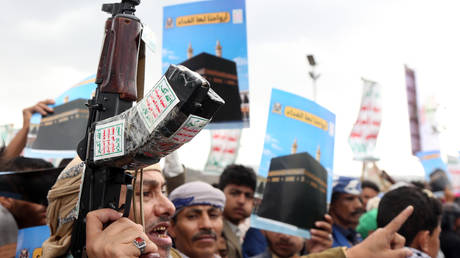
However, bridging the gap between Washington's insistence on broader concessions—including nuclear oversight—and Tehran's rigid baseline requirements remains an uphill battle. Adding to the volatility, proxy activity continues to bubble beneath the surface. Recent Houthi actions targeting infrastructure in Saudi Arabia demonstrate how easily a localized dispute can ripple outward, pulling in multiple regional actors.
If you are monitoring international shipping, energy commodities, or geopolitical risk in the Middle East, expect extreme volatility in the coming days. Keep a close eye on direct communications from CENTCOM and regional diplomatic updates out of Doha, because this standoff can shift without warning.