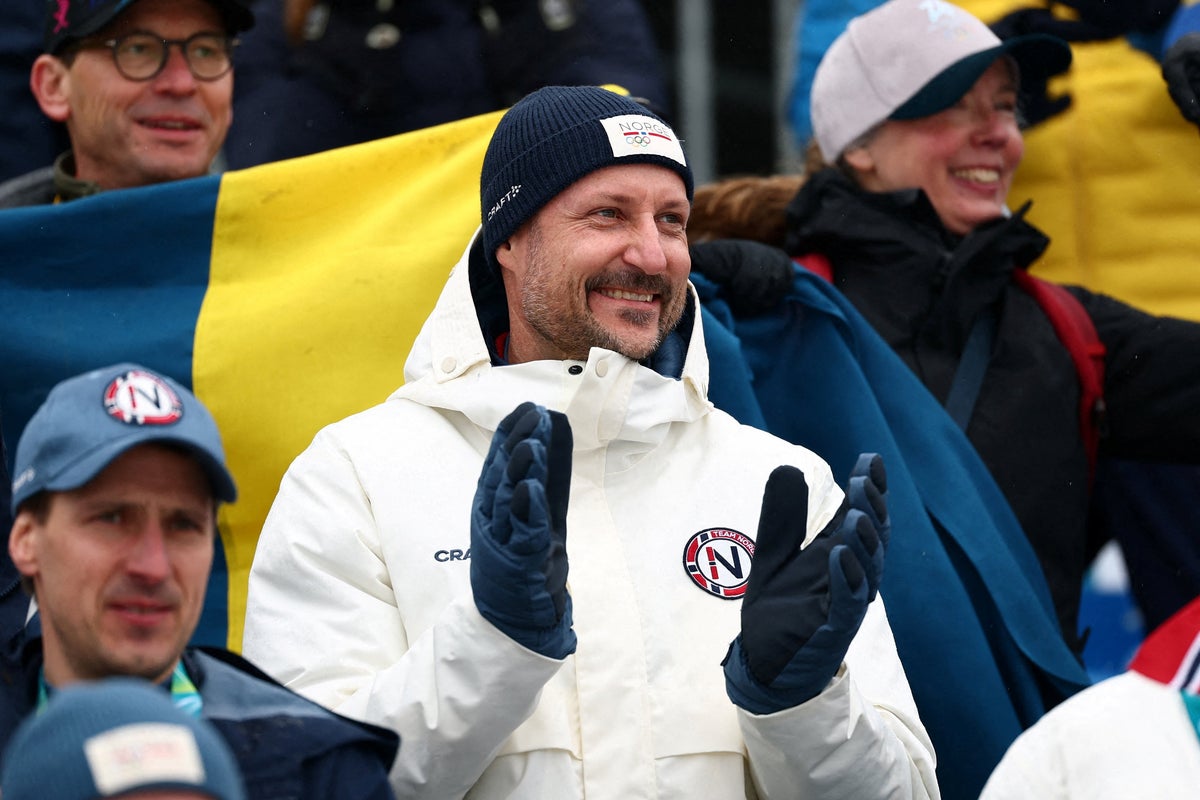
Crown Prince Haakon of Norway didn't spend his youth preparing solely for stiff-backed ceremonial banquets. Instead, he studied political science at UC Berkeley, grabbed a guitar on television, rocked out at European music festivals, and confessed to reporters that his dream job was running a neighborhood toy shop. Now, he faces a far heavier reality. Following the death of King Harald V, Haakon has formally acceded to the throne as King Haakon VIII.
Stepping into the sovereign role at 53 years old, the new monarch inherits a constitutional monarchy that is currently wrestling with unprecedented modern turbulence. While most international onlookers view Scandinavian monarchies through a lens of fairy-tale stability, Oslo Palace has weathered heavy storms lately. Haakon takes the crown with a clear objective: keeping the historic institution relevant, respected, and stable while public trust wobbles. You might also find this similar coverage useful: Why The Donald Trump Jr Russian Wedding Payment Controversy Will Not Go Away Easily.
The Realities Facing King Haakon VIII
Let's look past the glossy travel brochures. The Norwegian royal house traces its royal lineage directly back to King Harald Fairhair in the ninth century. Modern survival, however, requires more than medieval heritage. When voters overwhelmingly chose to restore the monarchy in a 1905 referendum following independence from Sweden, they wanted a unifying national figurehead devoid of toxic political partisan bickering.
For decades, King Harald V and Queen Sonja maintained that vital connection. Now, Haakon inherits the throne during a precarious PR crisis. As extensively documented in latest articles by BBC News, the implications are worth noting.
Public support for the monarchy has slipped from a towering 81 percent in 2017 down to roughly 68 percent in recent polling. That drop didn't happen by accident. Scandals involving extended family members have repeatedly tested the patience of regular taxpayers.
Consider the heavy baggage weighing on the royal household:
- The legal battles and subsequent four-year prison sentence of Marius Borg Høiby, the queen's son from a previous relationship, convicted of rape and assault.
- Lingering public scrutiny regarding Crown Princess Mette-Marit's past social contact with the late sex offender Jeffrey Epstein, an association she has publicly called a lapse in judgment.
- Controversies surrounding Princess Märtha Louise and her marriage to American self-described shaman Durek Verrett, which ultimately forced her to step down from official royal duties.
A Modern Monarchy Built on Unconventional Foundations
Haakon knows a thing or two about breaking protocol. When he fell in love with Mette-Marit Tjessem Høiby in 1999 at a Norwegian music festival, the country erupted into fierce public debate. Mette-Marit was a single mother with a past tied to Oslo’s wilder youth party culture, and her son's biological father possessed a criminal record for drug offenses.
Traditionalists balked. Tabloids screamed for an immediate breakup.
Haakon refused to budge. Backed by his father's precedent of marrying a commoner, he stood his ground and married Mette-Marit in 2001 at Oslo Cathedral. It was a massive gamble that paid off initially. By blending royal dignity with a fiercely relatable, down-to-earth family life—complete with surfing trips, skiing adventures, and casual public appearances—they won over the skeptics.
Yet chronic health battles have added another layer of pressure. Mette-Marit was diagnosed with chronic pulmonary fibrosis years ago, an incurable lung condition that required a major transplant procedure. Watching your spouse battle severe illness while simultaneously managing national public relations disasters requires a rare kind of emotional resilience.
What Comes Next for Norway
King Haakon VIII is uniquely qualified for the grueling marathon ahead. He spent years acting as regent while his father's health declined. He holds a master's degree in development studies from the London School of Economics alongside his naval academy training. He speaks candidly, laughs easily on television, and understands the pulse of a younger generation that cares little for empty pageantry.
His eldest child, 22-year-old Crown Princess Ingrid Alexandra, waits in the wings as the direct heir, representing a future where the monarchy must continue proving its daily worth to citizens who vote for every other major institution.
The crown isn't just about heritage anymore. It's about earning daily validation in an age of intense digital accountability. King Haakon VIII has the surfing background, the academic credentials, and the street-smart pragmatism to navigate the storm. Whether that charm offensive will be enough to win back the skeptics remains the ultimate test of his reign.