Disaster coordination is messy. When flash floods sweep across the Himalayas, tearing through infrastructure and severing communication lines near the Nepal-Tibet border, panic spreads faster than official updates.
Let's look at the actual numbers reported by the Ministry of External Affairs (MEA). The baseline count of missing or uncontactable Indian nationals sits at 320. On top of that, roughly 100 persons of Indian origin holding foreign passports—many traveling for the Kailash Mansarovar Yatra—remain out of touch. For an alternative look, see: this related article.
You need to know how these figures shift hour by hour.
Why the Data Keeps Changing
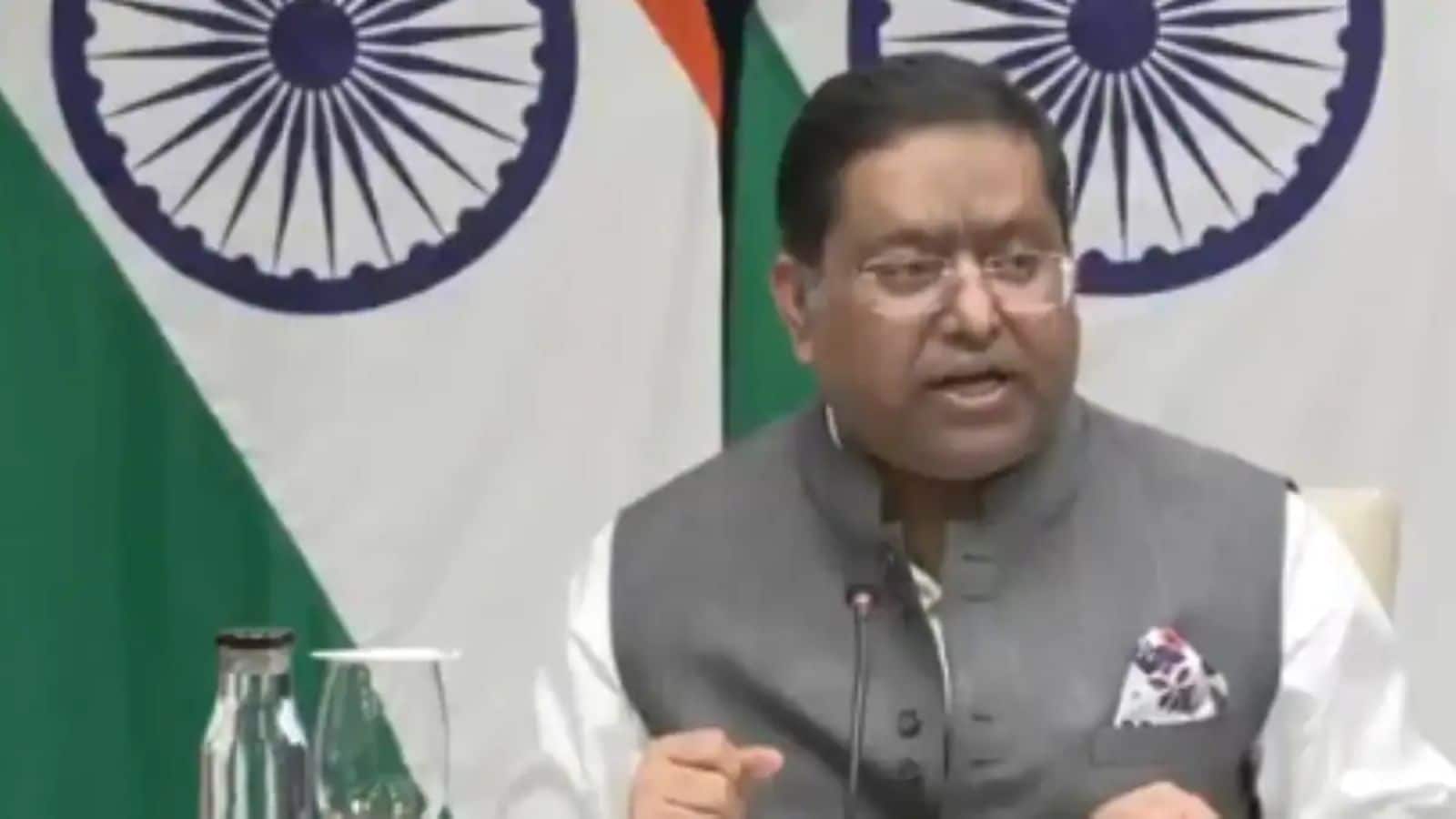
Numbers fluctuate constantly during cross-border disasters. MEA spokesperson Randhir Jaiswal pointed out that officials are actively trying to reconcile multiple conflicting lists coming from different agencies, local contacts, and panicked family members. Similar coverage on the subject has been provided by The Washington Post.
When you hear that 320 Indians are missing, that is a snapshot of a moving target.
Consider the logistical hurdles:
- Mobile networks are down across heavy impact zones like the Trishuli-1 hydropower project site.
- Pilgrims and tourists are scattered across remote mountain trails with zero connectivity.
- Dual-nationality travelers complicate consular tracking systems.
The Rescue Operations on the Ground
India hasn't just issued statements; they've mobilized multi-agency evacuations. External Affairs Minister S. Jaishankar has directly overseen coordination between Indian embassies in Kathmandu and Beijing.
Progress is happening, though it's slow. For instance, 21 Indian nationals from Tamil Nadu were safely evacuated via Kathmandu and landed in New Delhi on an IndiGo flight. Meanwhile, 63 Indian workers stranded at the Trishuli-1 hydropower site were rescued, and nearly 153 citizens have safely crossed over by land routes from the Chinese side.
Another 400 Indian nationals remain stranded on the Chinese side of the border. Fortunately, local phone networks remain operational there. Families back home have managed direct contact, and the Indian embassy in Beijing is working with local Chinese authorities to plan safe transit routes home.
Humanitarian Aid and Medical Support
Delhi responded quickly with physical relief. Military transport aircraft have delivered over 50 tonnes of emergency supplies to Nepal.
What went into those cargo planes?
- Portable water purification tablets to stave off waterborne diseases.
- Emergency tents and food supplies tailored for children.
- Essential medical kits and portable jet sets.
- An 11-member team of specialized doctors and paramedics along with tunnel rescue experts.
India has also offered National Disaster Response Force (NDRF) teams with specialized heavy equipment, waiting on clearance from Kathmandu to deploy them directly into the worst-hit zones.
Check official helpline numbers if you are trying to reach loved ones affected by the Nepal floods, and rely only on verified updates from the MEA control rooms in Delhi, Kathmandu, and Beijing.