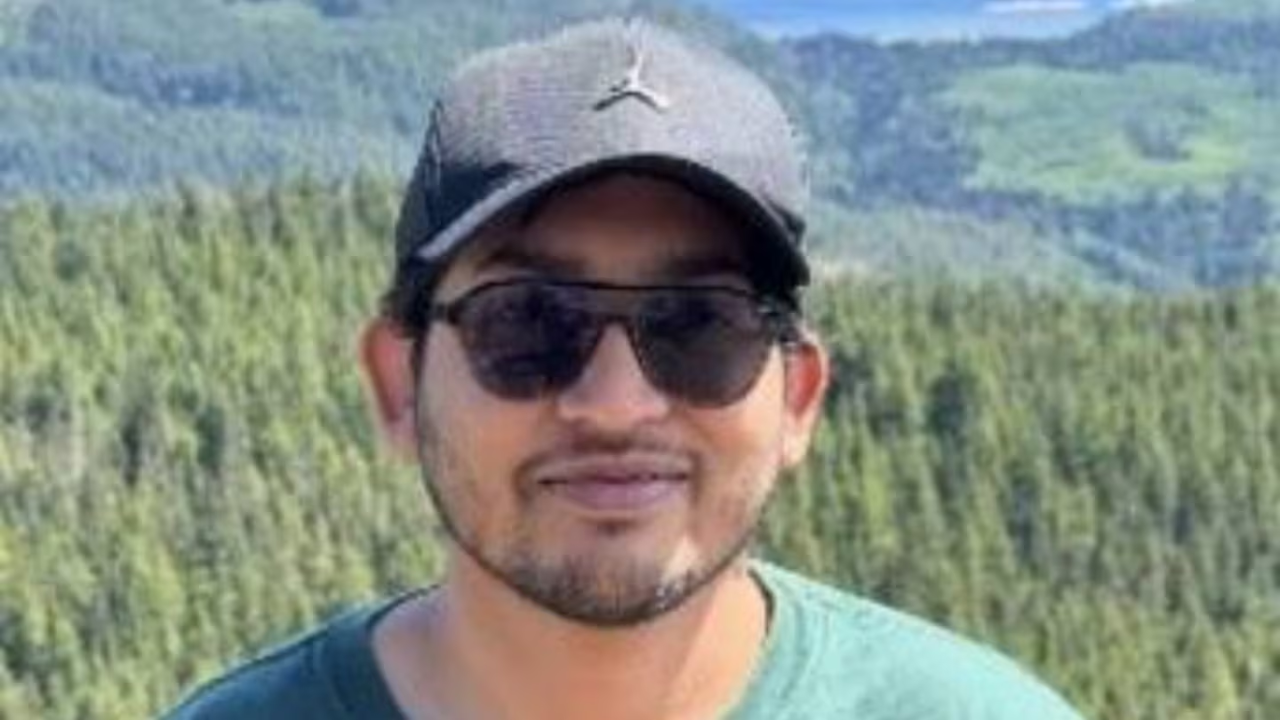
Three nights alone on a freezing mountain ledge changes a person. For 25-year-old Keshav Jindal, a routine day hike turned into a harrowing multi-day survival test when he vanished in British Columbia's rugged Strathcona Provincial Park.
Stranded on a narrow cliff ledge inside a steep mountain crevasse, Jindal weathered three dark, isolated nights before an RCMP helicopter spotted him waving for help. His story isn't just local news. It serves as a stark reminder of how quickly alpine environments punish small navigation errors, and why outdoor complacency remains a massive hazard for modern adventurers.
The Shortcut That Triggered a Three-Day Search
The ordeal began on a Monday when Jindal and a hiking companion set out toward the majestic Mount Albert Edward summit. The 2,100-metre peak is a popular destination, but its sheer scale hides serious terrain traps.
Jindal decided to hang back and wait while his friend pushed forward to the actual summit. When his partner returned, Jindal was gone.
Search and rescue managers later pieced together what happened next. Trying to descend toward a nearby lake, Jindal misjudged his route and opted for a shortcut. That split-second decision plunged him straight into hazardous, heavily wooded cliffs. He took a nasty fall, suffered significant injuries, and ended up trapped on a vertical ledge with zero way back up.
Inside the Massive Backcountry Operation
When a hiker fails to return from a trail like Mount Albert Edward, local response teams move fast. Comox Valley Search and Rescue launched an aggressive multi-day operation, bringing in volunteers from seven different rescue groups across Vancouver Island and the Lower Mainland.
Rescuers deployed advanced tools to locate him. Teams used thermal and infrared tech alongside specialized gear designed to detect low-battery cellphones. But rugged geography and dense canopy made ground sweeps agonizingly slow.
Hope materialized on Thursday morning. An RCMP helicopter crew flying a high-probability search grid spotted Jindal waving from a steep cliffside about two-thirds of the way up the mountain face. Rescuers described the extraction as deeply technical, requiring a specialized medical hoist crew to lift him out of the tight crevasse and transfer him to critical care paramedics.
What Every Hiker Gets Wrong About Alpine Safety
People look at popular trails and assume they are safe city parks. That mindset gets people killed. Mount Albert Edward ranks among the busiest routes for emergency callouts on Vancouver Island because its easy trailhead lulls visitors into a false sense of security.
If you plan to hit the backcountry, keep these hard-earned lessons in mind:
- Never separate from your group in unfamiliar alpine terrain, no matter how tired you feel.
- Shortcuts in steep wilderness areas almost always lead to vertical cliffs and dead ends.
- Pack gear for an emergency overnight stay, even if you only intend to hike for a few hours.
- Cellphone batteries die rapidly in cold mountain air and low-signal zones; bring physical backup maps and power banks.
Jindal survived his three-night ordeal, but many others aren't so lucky. Respect the mountain, check your ego at the trailhead, and never underestimate a Canadian wilderness trail.